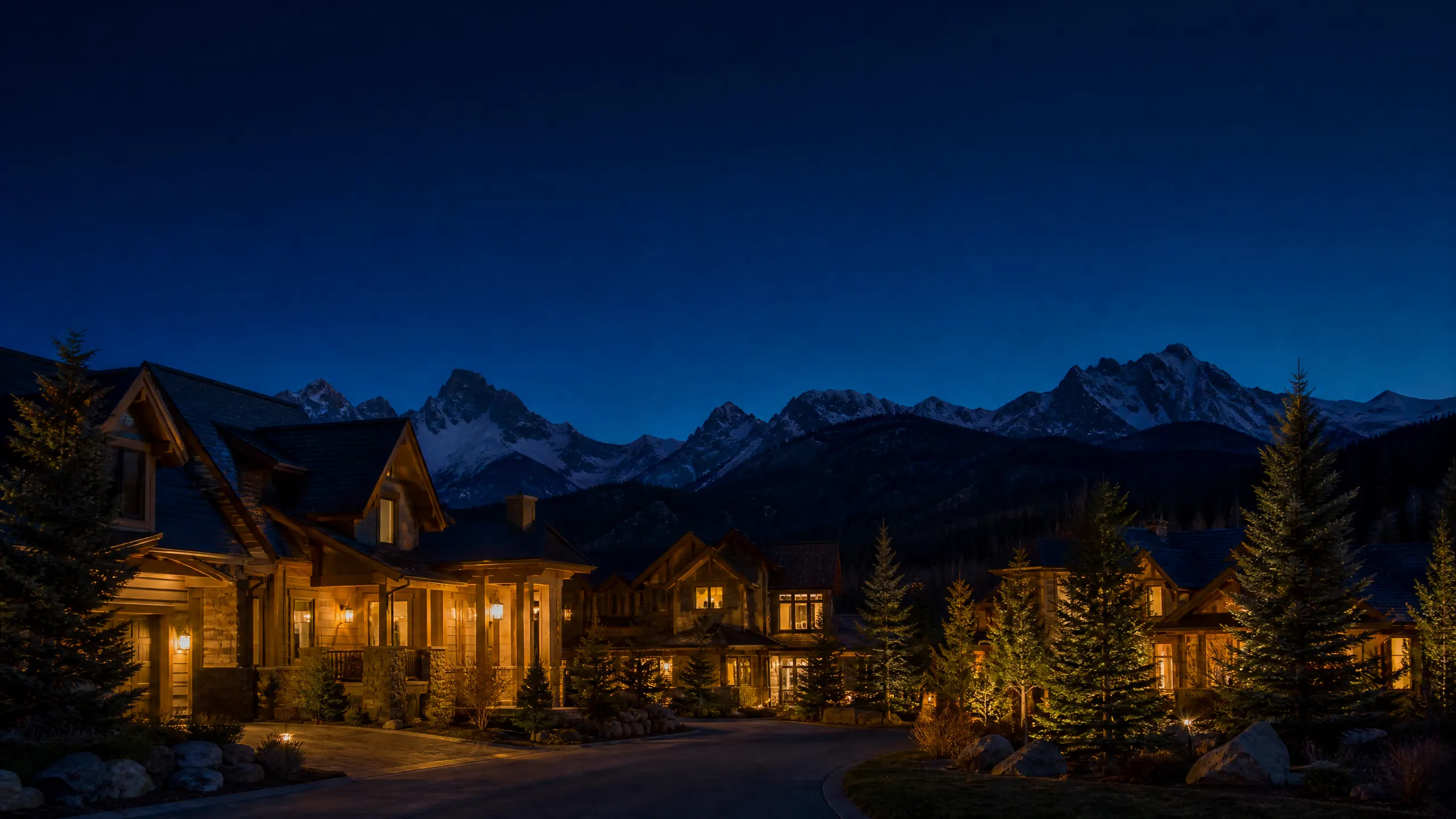
Illuminated timber-and-stone luxury homes photographed at twilight with snow-capped mountains visible in the background.

Furnace Maintenance in Logan, UT

Tell us about the job

Takes about a minute. No obligation.

Tune-up, service, or cleaningFurnace or heatingCache County, UT
Step 1 of 2

What ZIP code is the job in?

Change the filter yourself

A dirty filter is the one thing between visits that's really on you. Pull it out, hold it to the light, and if you can't see through it, swap it. A clogged filter starves the furnace of airflow, and that makes the heat exchanger run hotter than it should.
Leave the rest to the technician

Don't open the burner compartment or try to clean the flame sensor yourself. The igniter, the gas valve, and the inducer motor all need to be checked with tools and experience you don't have at home. Opening up the cabinet between visits is more likely to knock something loose than catch a problem early.

Half the homes in Cache County were built in 1992 or later.

A furnace that age still has plenty of working life left, and a yearly check is what keeps it that way.

Heat starts in September. Have it checked in August.

Heat runs September through June
Winter nights average 17°F
48 winter storms from 2015 to 2024
Logan's Furnaces Run on GasUtility gas heats 80.9% of homes in Cache County, and that burner needs yearly attention.

Natural gas ran $12.55 per million Btu in Utah in 2024. A furnace that's low on air or burning dirty doesn't heat any better. It just takes more gas to do the same job. A clogged burner or a cracked heat exchanger makes the ignition cycle longer and run hotter, and that shows up on the bill before it shows up as a breakdown. A yearly check catches what drifts out of tune on its own, like the burner flame, the gas pressure, and the blower speed. None of that costs anything to have looked at, compared to what it costs to keep paying for while it goes unnoticed.

Keep it in good shape

If your system is fairly new, a yearly check keeps it in good shape for longer.

Find a contractor
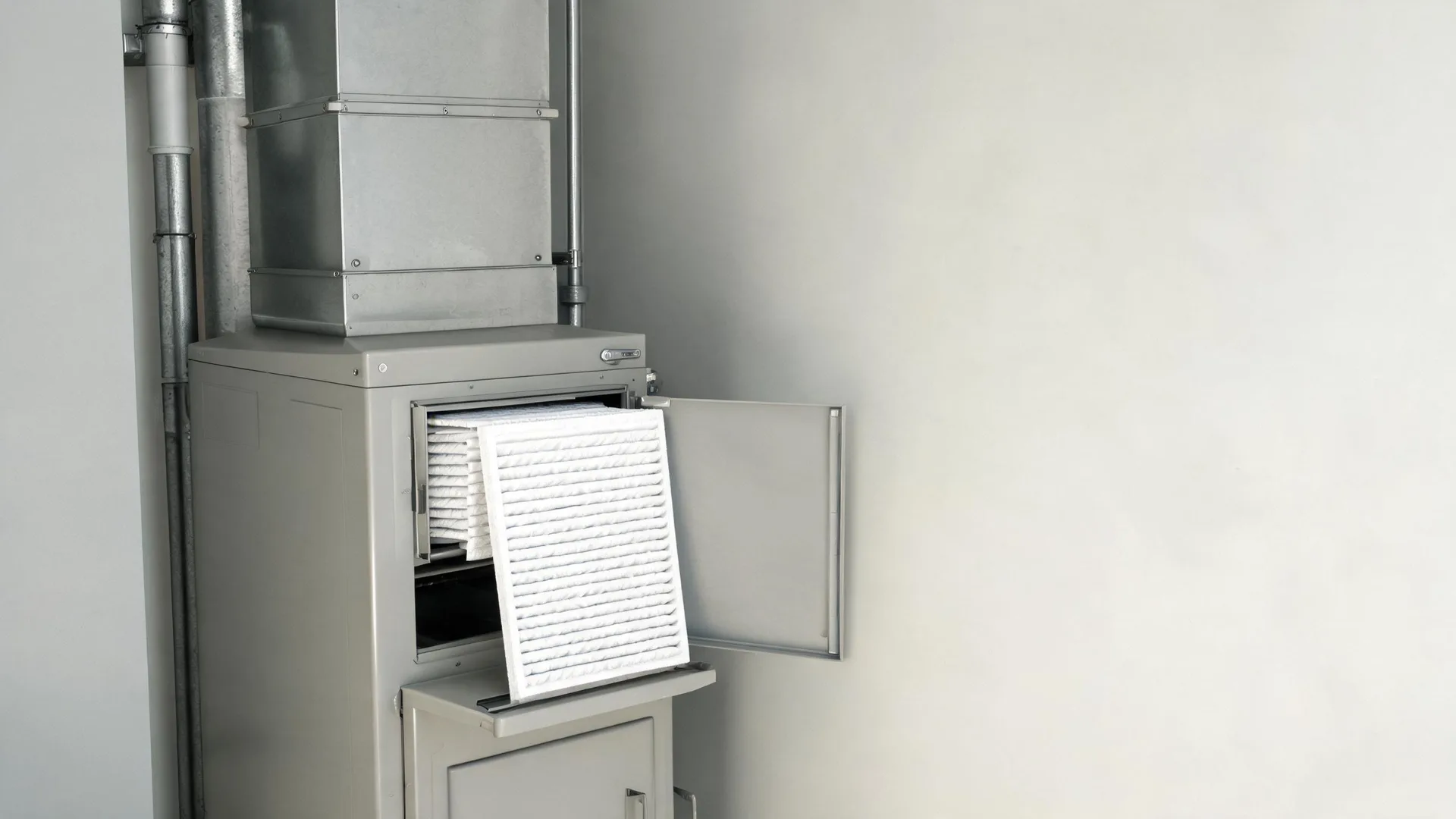
A gas furnace with attached ductwork, gas piping, and condensate lines installed in a concrete-block basement.

Start the checkups now, not after something goes wrong

A newer furnace still needs that yearly check to stay newer longer. Skip a few years and small things go unwatched. A burner flame drifts out of adjustment. A blower runs harder than it needs to. None of that breaks the furnace overnight, but it adds wear a check would have caught early. Keep up with it from the start and there's less reason for that furnace to act its age before it has to.

The flame sensor coats over

A flame sensor picks up a thin film every time the burner fires. A yearly cleaning keeps it reading right. Left alone long enough, it stops sensing the flame at all, and the furnace shuts itself down a few seconds after ignition as a safety response.

Small problems don't stay small

A burner that's gone out of adjustment or a blower wheel caked with dust won't stop your furnace from running. It just makes it work harder to do the same job, cycle after cycle, until something it was straining against finally gives out.

A quick visit checks that the furnace turns on and calls it done. A thorough one opens the cabinet and checks things with tools, not just a glance through the door. The burner flame should burn steady and blue, and confirming that takes a meter or a trained eye. The flame sensor gets cleaned, not just looked at. Gas pressure gets measured at the valve, because a furnace can look fine and still be burning more gas than it should. The blower wheel gets inspected for dust, since a caked wheel moves less air even running at the same speed. Ask what was actually checked, not just whether the furnace came on.

A tune-up is also when the parts you can't see get tested, not just cleaned. The heat exchanger gets inspected for cracks, because a cracked one can let exhaust mix into the air the blower pushes through the house. The inducer motor and draft are checked to confirm exhaust is actually leaving through the vent and not spilling back. Limit switches and safety controls get tested too, since those are what shut the furnace down if it overheats or the airflow isn't right. None of that shows up by watching the furnace run through a cycle. It only shows up when someone opens the cabinet and checks it.