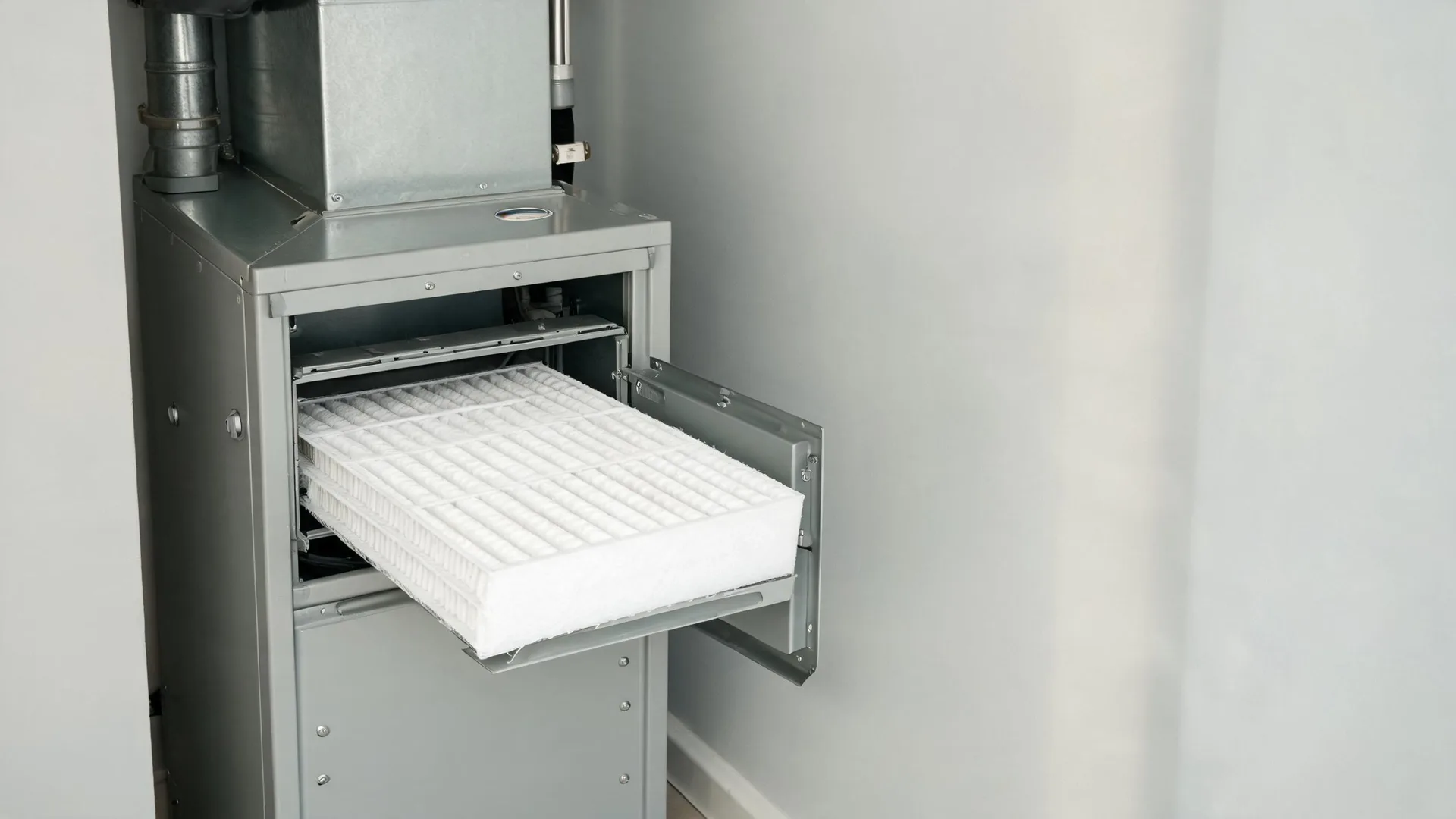
Ten months of heat a year
Furnaces in Sanpete County run from September through June, with overnight lows averaging 16°F in December and January. That is most of the year asking a lot of the same igniter, blower and heat exchanger.
Takes about a minute. No obligation.
Furnaces in Sanpete County run from September through June, with overnight lows averaging 16°F in December and January. That is most of the year asking a lot of the same igniter, blower and heat exchanger.
With winter settling in by September and lasting into June, there is a short window before a furnace has to perform again. A part that is wearing out now won't wait for a convenient month to fail.
Utah natural gas ran $12.55 per million Btu in 2024.
A furnace burning more gas than it should because of a dirty filter or clogged burner turns that rate into real money.


Half the homes in Sanpete County were built in 1985 or later. If yours is one of them, the furnace itself may still be in good shape, not the old part people expect to worry about. That is still worth a yearly check. An igniter or blower wears on how many hours it runs, not on how new the cabinet looks. A furnace that gets checked while it is still young is one that keeps running well instead of starting to slip without anyone noticing.
Once the season starts there is no gap to catch a worn igniter or blower before it has to carry the next ten months. Book the check while the furnace is still off.
Find a contractor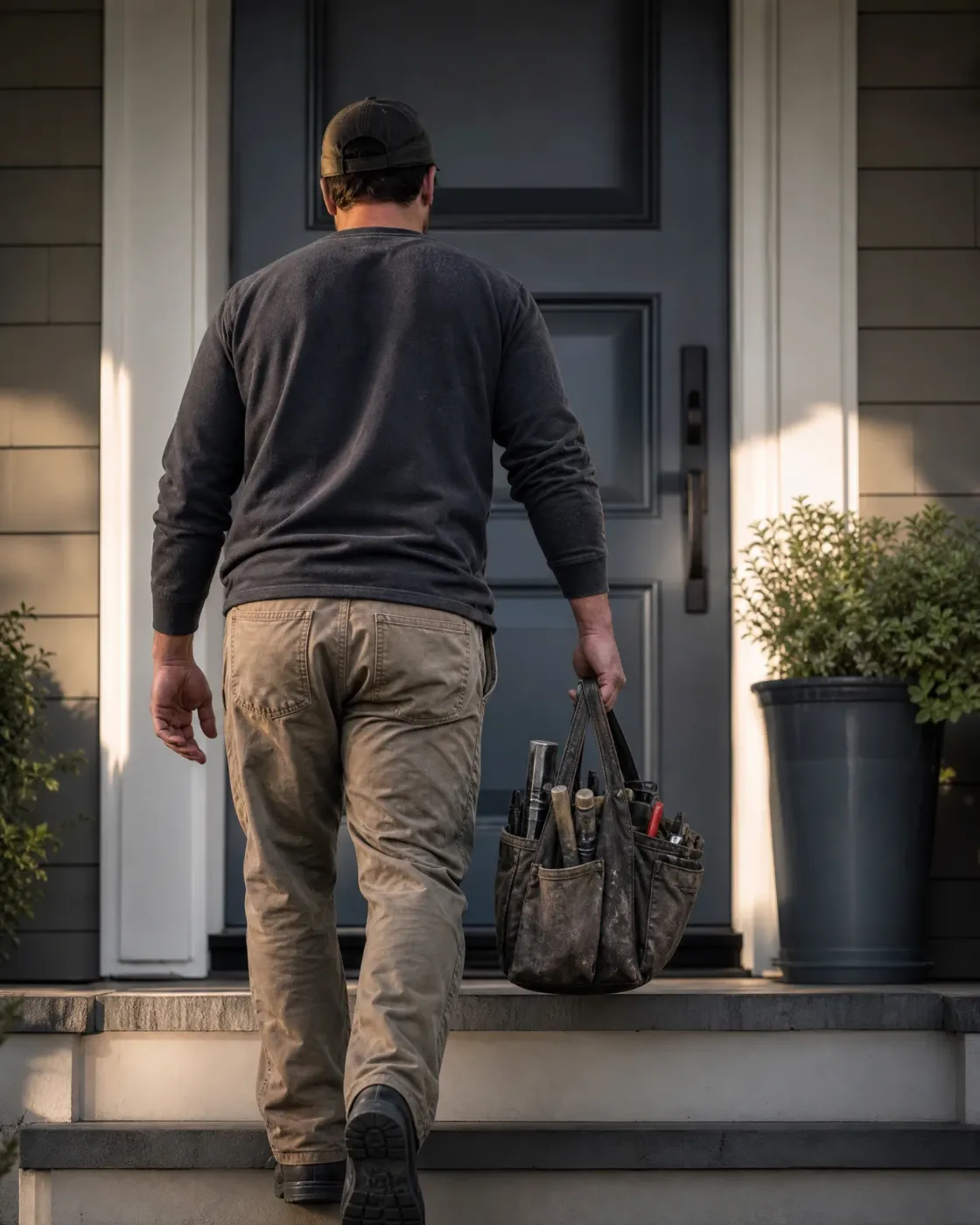
A newer furnace still needs a yearly check, just a shorter one. The tech can confirm the burner is firing clean and the blower is pulling the amp draw it should, then move on. Nothing to dig into, nothing to replace, just a record of where things stand while they're still good. That record is what tells you, down the road, whether something has changed.
A thorough check has the burner assembly out where it can be seen, the flame sensor cleaned, and the blower wheel inspected for dust buildup that throws it off balance. A quick visit that stops at checking the thermostat and listening for strange noise will miss a cracked heat exchanger or a flame sensor coated enough to cause trouble later.
Numbers mean something when they're read while the furnace is firing. A tech checking amp draw on the blower motor and gas pressure at the manifold while the burner is lit catches a motor working harder than it should or a flame burning the wrong color. Checking those things cold, before startup, only tells you the furnace turned on.
A furnace gives off signs before it actually fails, if you know where to look. A burner flame should burn blue and steady. If it's turning yellow or flickering, the gas isn't burning clean and that can mean soot building up inside the heat exchanger. Short cycling, where the furnace fires up, runs a few minutes, then shuts off before the house warms, usually points to a clogged filter or a flame sensor that isn't reading the flame right. A burning or metallic smell in the first minutes of a heating cycle is normal as dust burns off, but a smell that lingers isn't. Listen for a blower that's gotten louder or started rattling. That's often a wheel out of balance or a motor bearing on its way out, and neither gets better on its own.
A proper tune-up follows a sequence, and skipping steps defeats the point. It starts with the filter, pulled and checked, because a clogged one chokes airflow and makes everything downstream work harder. The burners get inspected and cleaned so the flame burns even across every port, not just the ones that happen to be clear. The flame sensor gets cleaned of the oxide coating it builds up over time, since that coating is what causes a furnace to shut off seconds after starting. The heat exchanger gets looked over for cracks or corrosion, because that's the part separating combustion gas from the air moving through the house. The blower wheel gets checked for dust buildup that throws it off balance, and the motor gets checked for the amp draw it should pull under load. Gas pressure at the manifold gets set to spec, since too high or too low both cause problems that show up as a bad flame. Last is the vent system, checked for a clear path so exhaust actually leaves the house instead of finding its way back in.