
Heat pump vs furnace in Sanpete County, Utah

Find a Pro Near You

Get a price before you decide

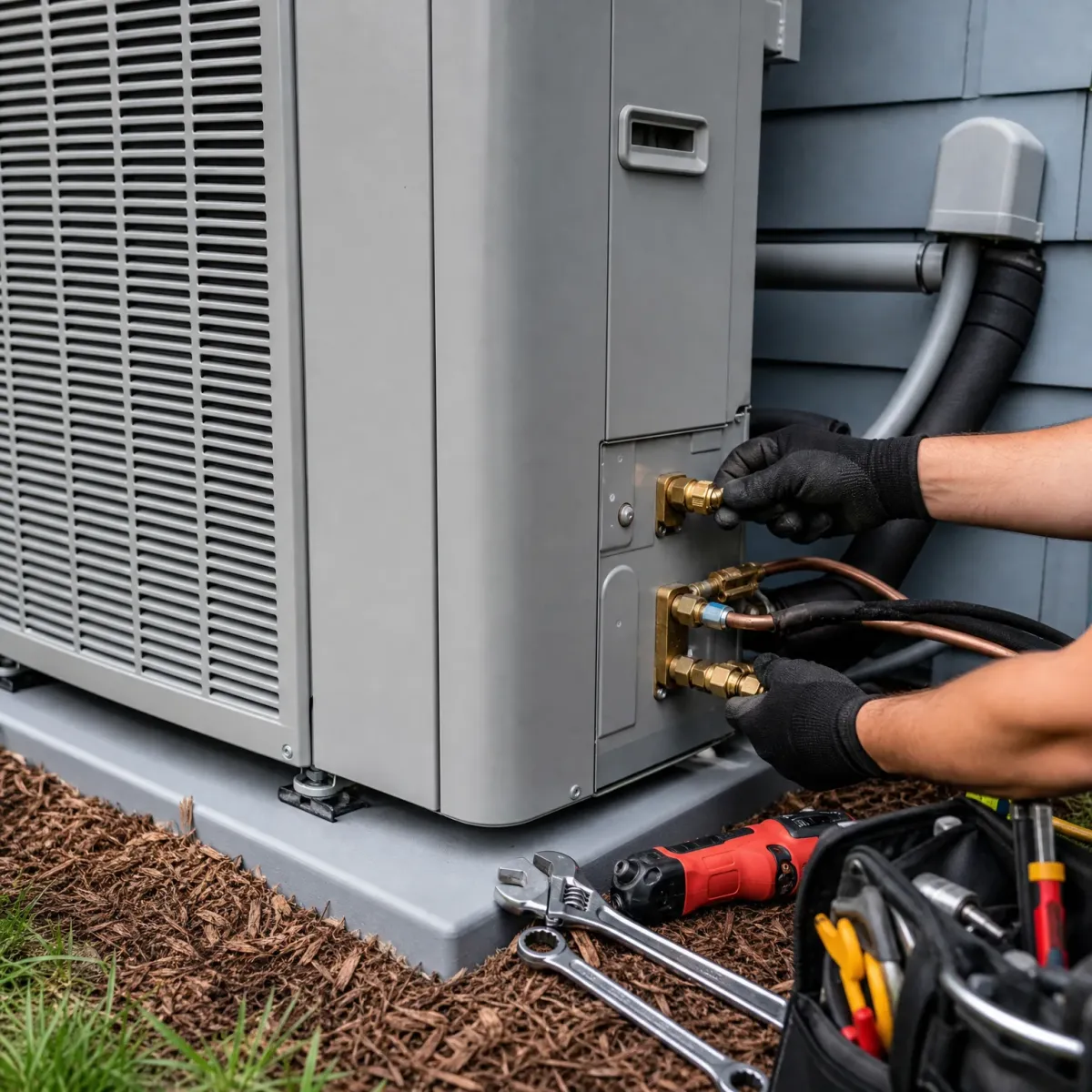
A person wearing black gloves connects copper refrigerant lines to brass service valves on the side of a gray outdoor condenser unit, with a wrench, a power tool and a tool bag on the mulch bed in the foreground.

Tell us about the job

Takes about a minute. No obligation.

New system or replacementSanpete County, UT
Step 1 of 3

What kind of equipment?

Which costs less to run in Sanpete County?

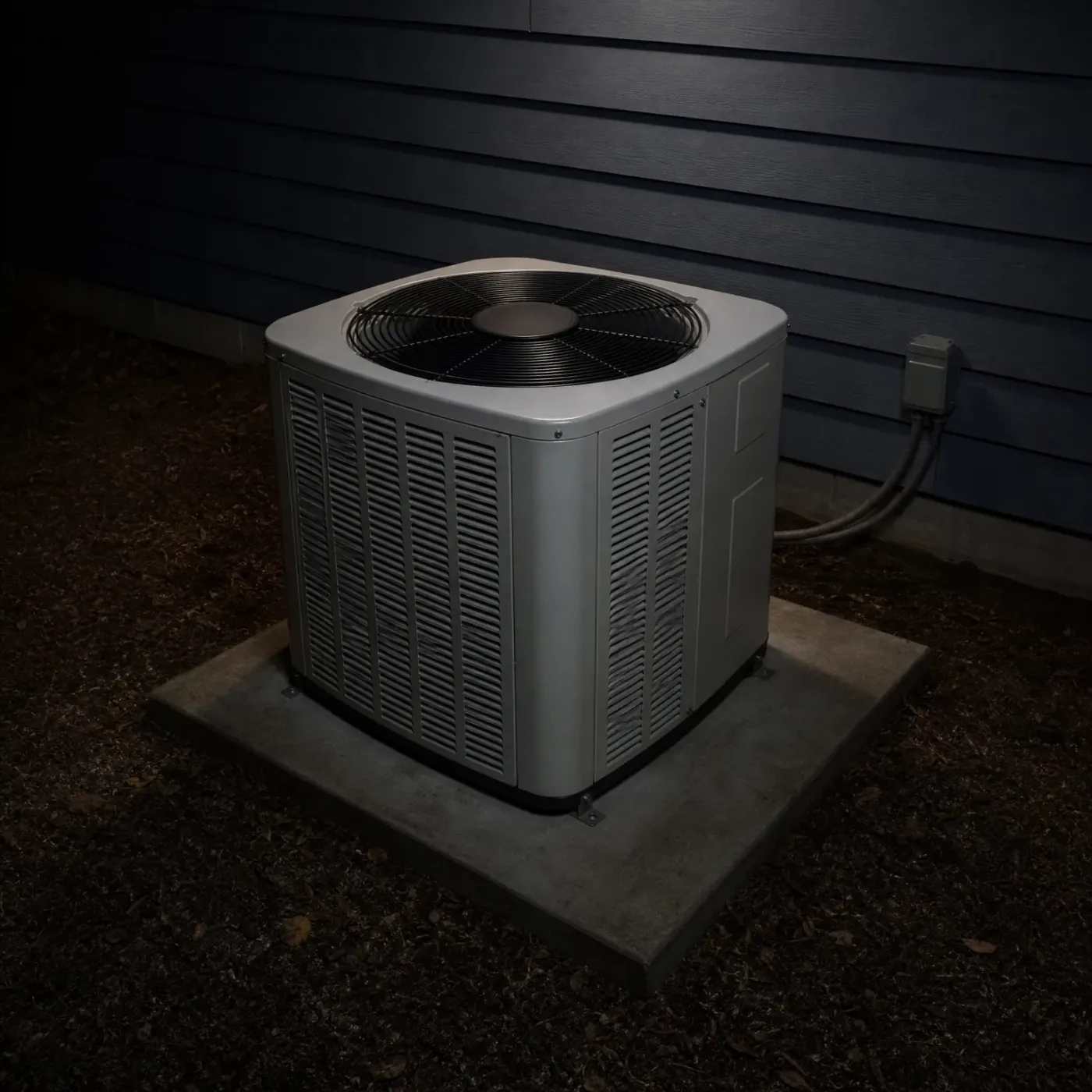
A gray outdoor condenser unit with a top fan grille sits on a concrete pad beside a dark horizontal-lap sided wall, with refrigerant lines running to a small wall-mounted box.

Heat pump

To heat your home here$1.63per 100,000 Btu

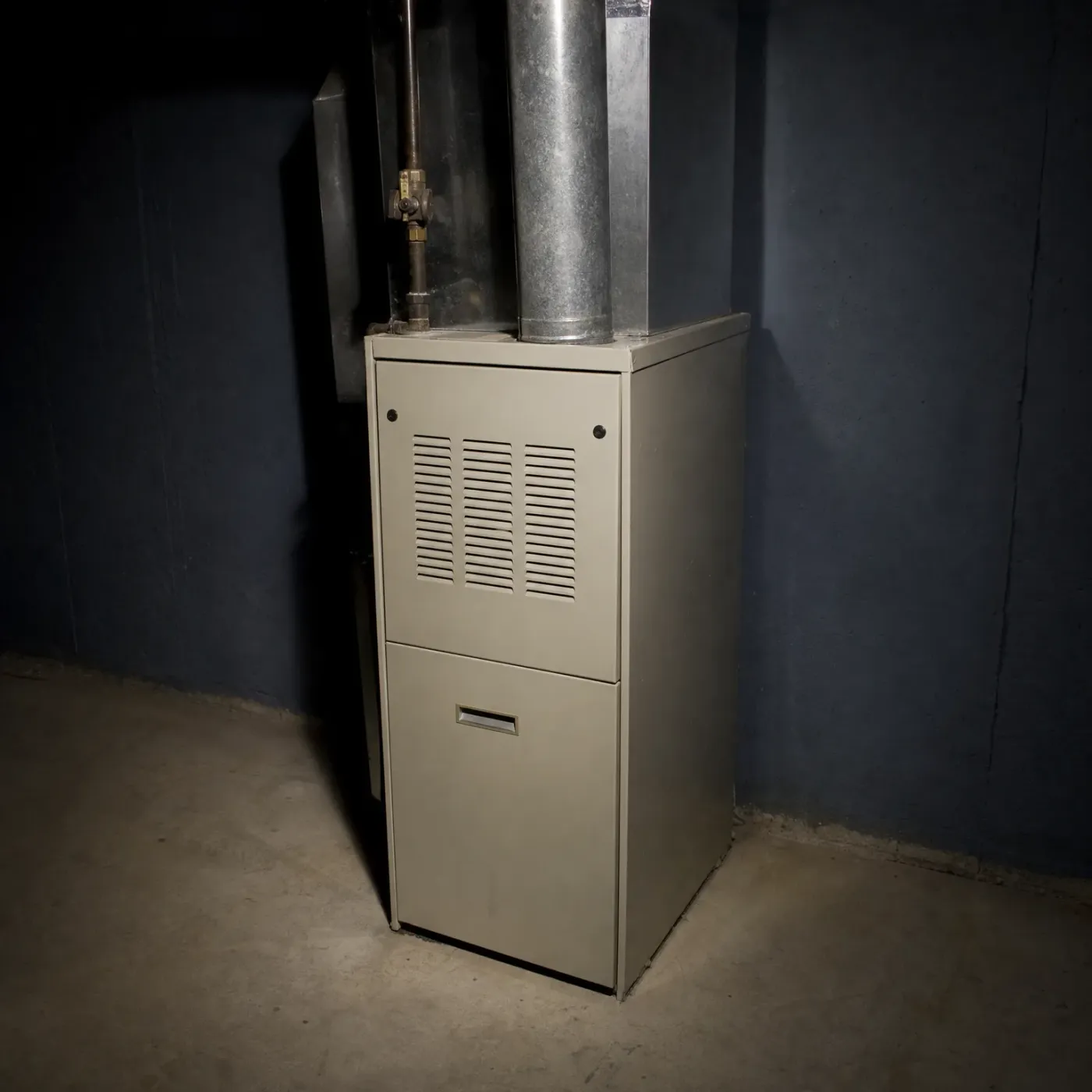
A beige sheet-metal furnace with a louvered upper panel stands against a dark gray basement wall, with galvanized flue ducting and a gas pipe with a valve rising from its top onto a concrete floor.

Furnace

To heat your home here$1.57per 100,000 Btu

At Utah's gas and electricity prices, a heat pump and a gas furnace cost about the same to run here.

Btu stands for British thermal unit, the standard measure of heat energy.

Where does a heat pump shine?

  • No gas line, nothing burning in the house

    A heat pump runs on electricity alone. Nothing burns inside the house.

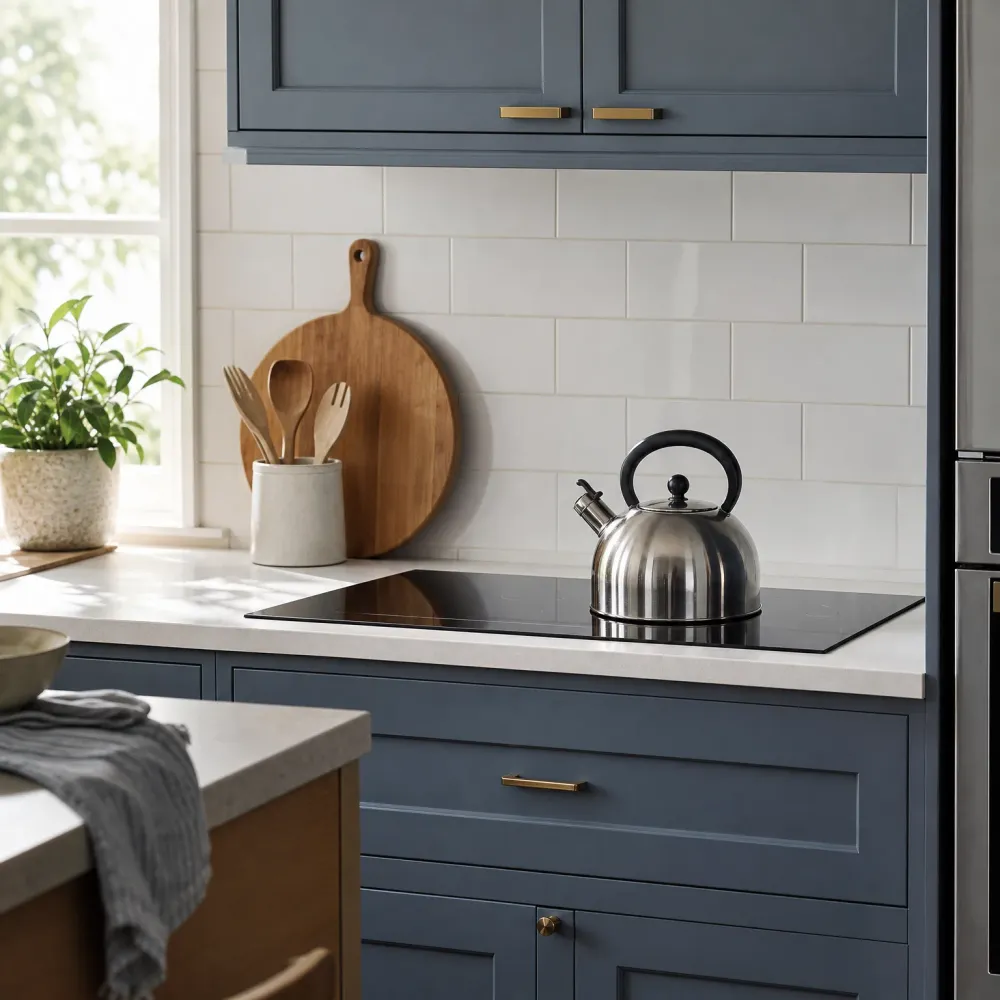
    A kitchen with navy blue shaker cabinets, brass handles, white subway tile backsplash, a light countertop with a black induction cooktop holding a stainless steel whistling kettle, wooden utensils and a round cutting board beside a potted plant on the windowsill.
  • Heats and cools in one system

    One machine handles the heat in winter and the cooling in summer. There's no second system to buy or keep up.

    Living room with a beige sofa holding plaid and blue cushions and a grey fringed throw, a wooden coffee table with pears in a bowl, a mug and hydrangeas in a glass vase, a ceramic lamp on a small round side table, dark built-in shelving, and a large window overlooking a flowering garden.
  • Steady, even comfort

    Instead of short bursts of heat, it keeps a gentle, steady output going. The house stays at one comfortable temperature.

    A living room at night with a lit stone fireplace, a light-colored dog lying on a rug, a blue armchair with a throw blanket and open book, a gray sofa, a lit table lamp by a window, and a wooden coffee table with a mug.

Where does a furnace shine?

  • Strong, steady heat in hard cold

    Winter nights here average 16°F, and a furnace is built to push hard against that kind of cold without losing ground. It pulls the air up to temperature fast and keeps it there, no matter how long the cold snap runs.

    A person in a dark coat and knit hat walks up a shoveled path toward a gray gabled house with lit windows at dusk, surrounded by deep snow, lamp-topped gate posts, and snow-covered trees and shrubs.
  • Runs on the gas most homes here already use

    Most homes in Sanpete County already have gas line run to them. A furnace just uses what's already there.

    A snow-covered front yard and sidewalk along a row of attached brick and painted-brick houses with railed entry stairs, gas meters, and small evergreen shrubs, under bare trees and clear sky.
  • Fast, strong heat on demand

    The air coming from the vents feels genuinely hot. That's welcome on a freezing morning.

    Mudroom entry with a dark blue door and wainscoting, coats on hooks, a wooden bench with a gray fringed throw and mug, snow-dusted winter boots on a striped rug, a floor vent, and a sheer-curtained window showing snow outside.

What the cold actually does to a heat pump here

Winter here is long and it is hard. Heat runs ten months a year, September through June, and the overnight low averages 16°F across December, January and February. That is not a mild climate question. That is the question that decides this.

A standard heat pump starts losing ground below 40°F. It puts out less than its rated capacity once the air outside drops below that, and below about 35°F it often needs backup heat to keep up. Sanpete County sits well past both marks. The average winter night here is 16°F, and about 180 nights a year, over half the nights in the heating season, fall at or below freezing. On almost all of those nights, a standard heat pump is working below the point where it heats at full strength.

That does not rule out a heat pump. It rules out a standard one. A model built to the ENERGY STAR Cold Climate spec is tested to hold at least 70 percent of its 47°F capacity at 5°F, and still produce 1.75 units of heat per unit of electricity at that temperature. Field tests of these cold-climate units back it up: over two winters in occupied homes, backup heat covered only a small share of the load between 0°F and 35°F, and the units rarely ran on backup alone even above 0°F. Sanpete County only reaches 0°F or below about 11 nights a year, a small fraction of its cold nights. A cold-climate heat pump is built for a county like this one. A standard heat pump is not.
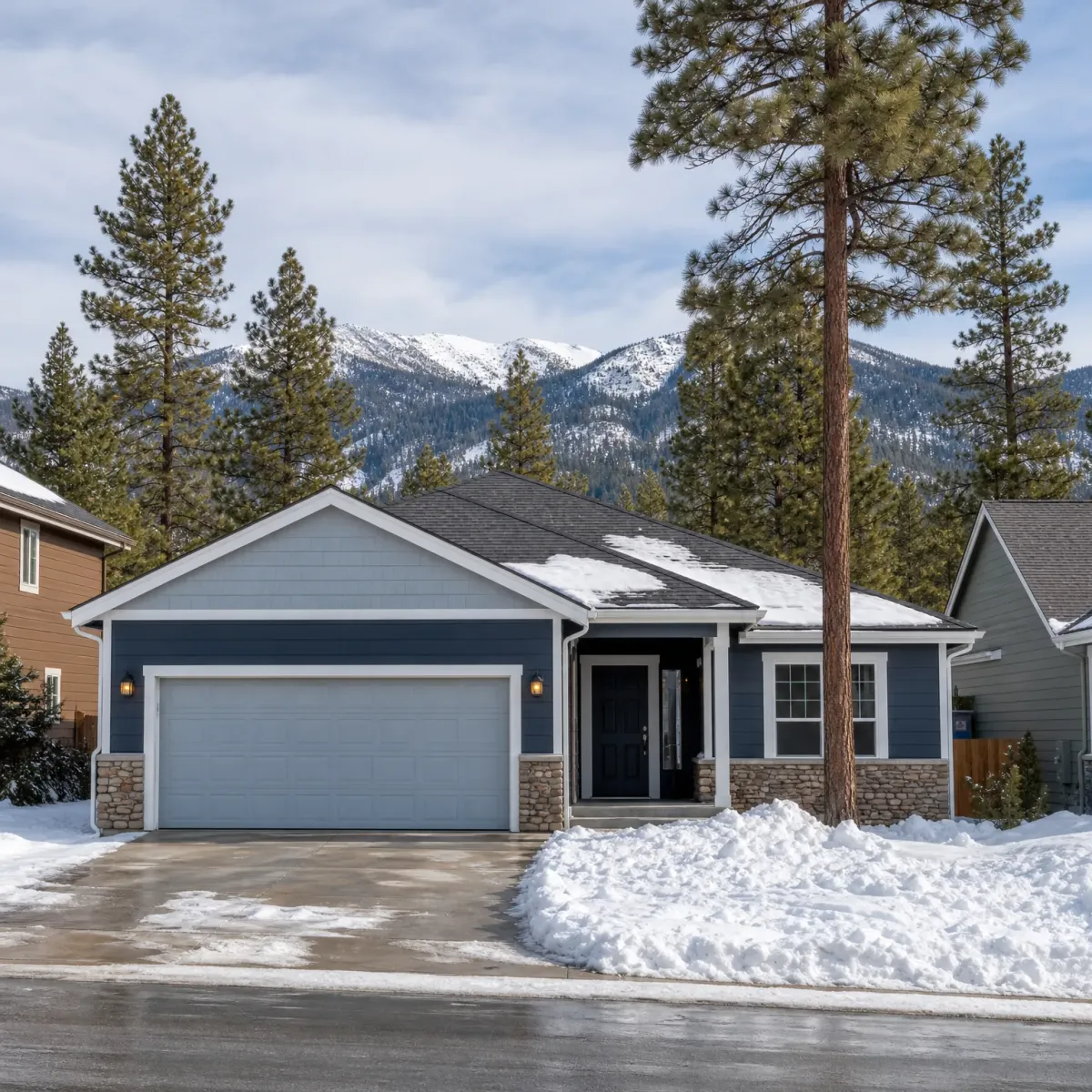
A single-story blue house with a two-car garage, stone veneer base and dark shingle roof, fronted by a wet driveway and plowed snow banks, with pine trees and snow-covered mountains behind.

What it costs to run, and what's already in the walls

Run the numbers at Utah's own fuel prices and the two machines land close together: $1.63 per 100,000 Btu for a heat pump at the federal minimum efficiency, $1.57 for a gas furnace at the federal minimum, with nothing added for backup heat on the coldest nights. A furnace is the cheaper of the two to run, but barely. This is not a choice decided by the utility bill.

It is decided more by what is already running to the house. Utility gas heats about three in four homes in Sanpete County. Electric heat is in about one in ten. If a gas line already reaches your house, a furnace is working with what is already there. If it does not, bringing one in costs something a heat pump install does not have to, since a heat pump runs on the power already in every home.

A furnace only does one thing. It has nothing to offer for the other two months of the year once the heat shuts off, and there is almost no cooling season here to ask it to. Sanpete County reaches 90°F or better only about 40 days a year. A heat pump runs the air conditioning those few days and heats the house the other ten months, in one system. Whether that is worth more than a furnace's edge in a hard cold snap is the actual decision here. A cold-climate heat pump answers the cold. Only a furnace or a heat pump with gas backup answers both the cold and the gas line already in the wall.

Sources: NOAA nClimDiv · NOAA 1991–2020 seasonal normals · Census ACS 2020–2024 · EIA SEDS 2024 · 10 CFR 430.32 · PNNL Building America guide · PNNL-37127 field study · ENERGY STAR product criteria

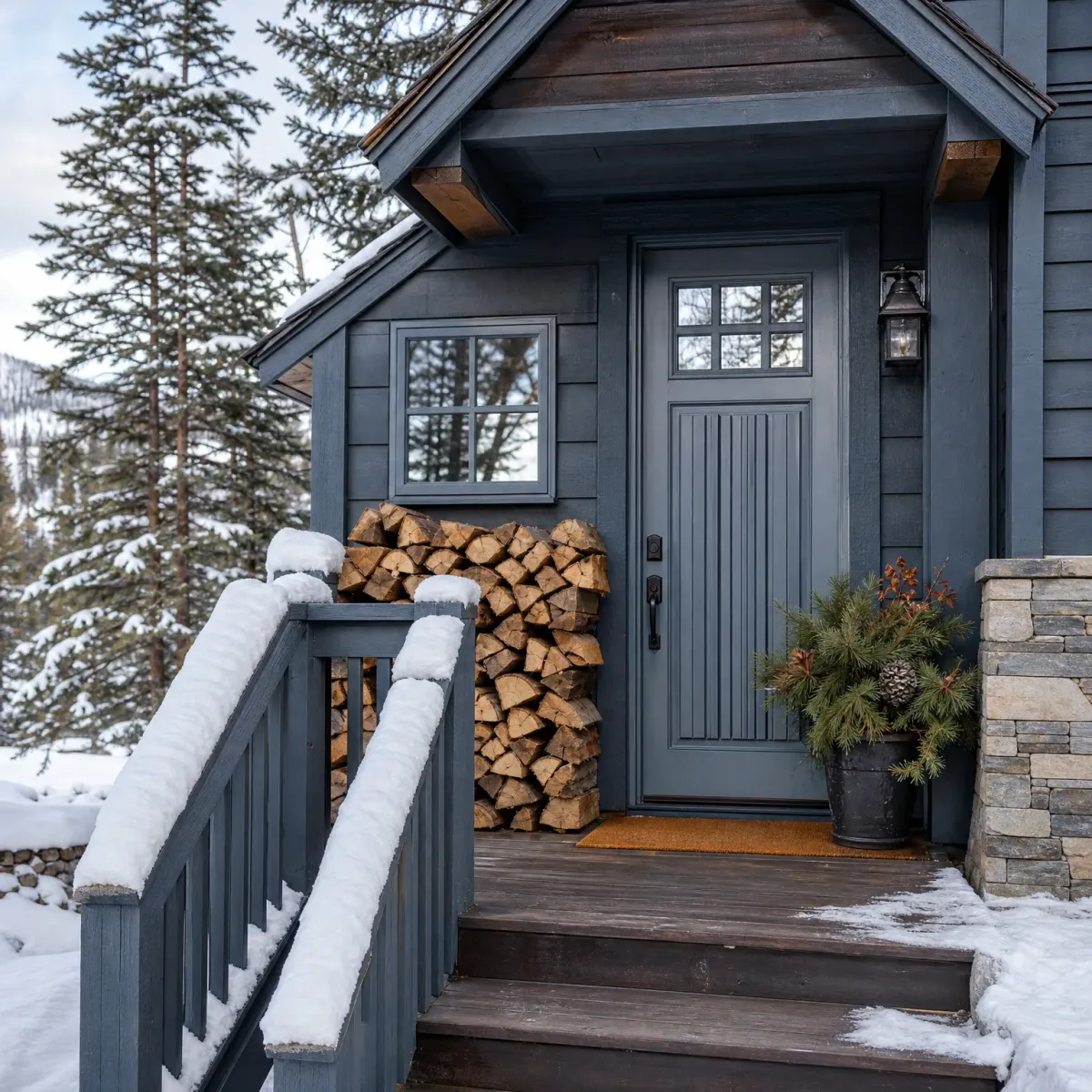
Entry porch of a dark blue-gray wood-sided house with a paneled door, wall lantern, stacked firewood, a potted evergreen arrangement, stone-clad pillar, and snow-topped railings beside wooden steps, with snowy conifers behind.

Common questions about heat pumps and furnaces

  • Can a heat pump heat a house through a Utah winter?

    It can, but not at full strength on the coldest nights. A standard heat pump puts out less than its rated heat once it's below 40°F outside, and here the overnight low averages 16°F across December, January and February, with about 180 nights a year at or below freezing. A cold-climate model holds up better in that range, but either way, a cold night here is exactly when a heat pump is working hardest and producing least.

  • Do I need backup heat with a heat pump here?

    Most homes will want it. A standard heat pump's heating efficiency drops once it's below about 35°F outside, and the overnight low here averages 16°F all winter, so that's not an occasional dip, it's most nights from September through June. Field tests of cold-climate heat pumps found backup heat only carrying a small share of the load between 0°F and 35°F, but a standard heat pump without cold-climate certification will lean on backup more than that.

  • Can I keep my furnace and add a heat pump?

    Yes, and here that pairing makes sense. A heat pump can carry the heat on its own down to somewhere around 35 to 40°F outside, and your furnace takes over below that. The average winter night here runs 16°F, well past the point where a heat pump alone falls short, so the furnace isn't a backup you'll rarely use. It's doing real work most winter nights.

  • Is a heat pump cheaper to run than a furnace in Sanpete County?

    No, a gas furnace costs a little less to run here: $1.57 per 100,000 Btu against $1.63 for a heat pump. The gap is small at Utah's current fuel prices, but it also doesn't count any backup heat a standard heat pump would draw on through the roughly 180 nights a year here that drop to freezing or below. Add that in and the furnace's edge holds or grows.