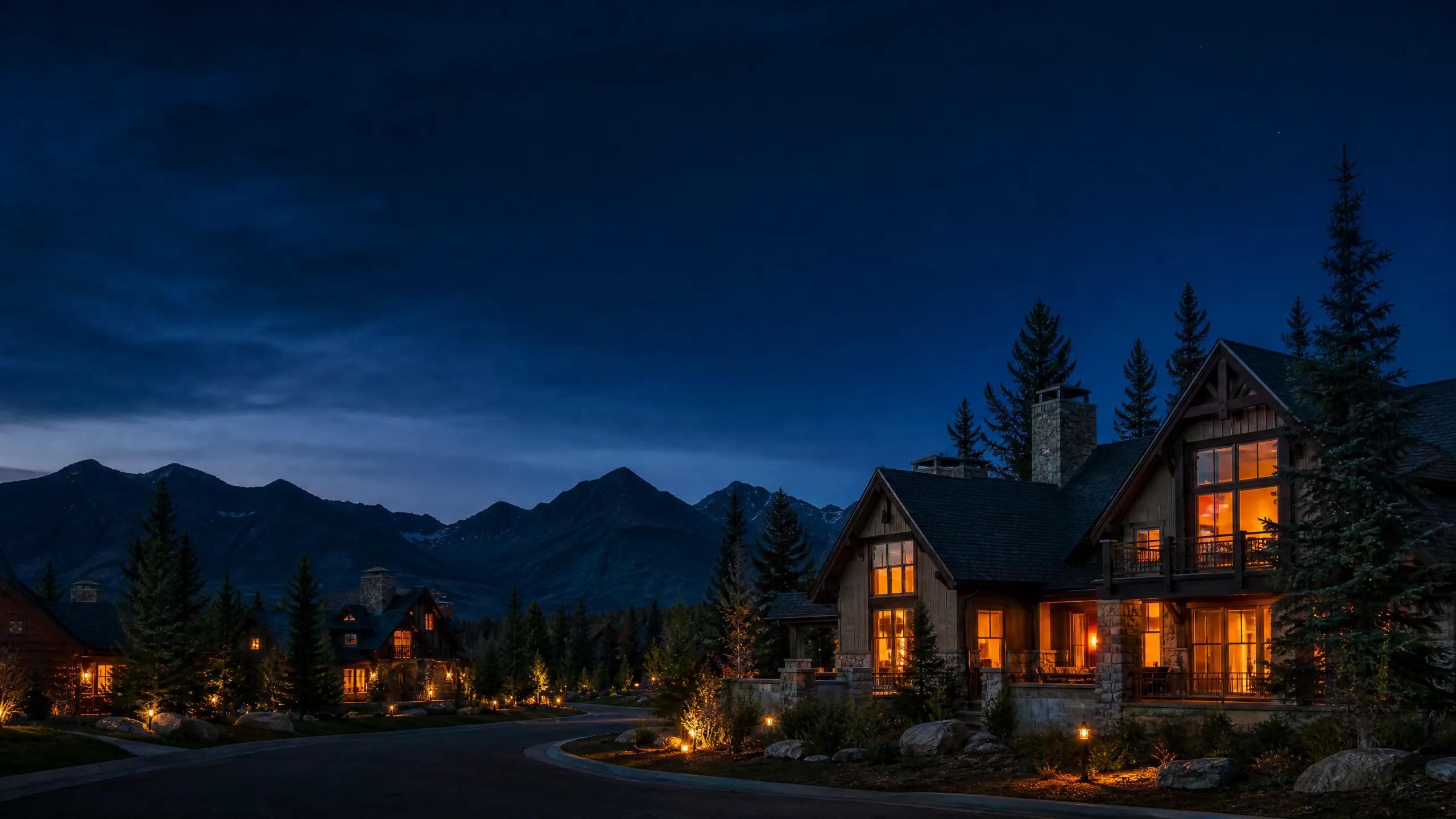
Ten months of heat a year
Furnaces in Sevier County run from September through June. That leaves a short window each summer for the burner and blower to rest before the next season starts.
Takes about a minute. No obligation.
Furnaces in Sevier County run from September through June. That leaves a short window each summer for the burner and blower to rest before the next season starts.
Winter lows here average 17°F across December, January and February. A furnace holding a house against that kind of cold runs longer cycles, and the igniter and blower motor show their age sooner.
September starts ten straight months of heat in Sevier County.
Get the furnace checked in August, before it has to carry that whole stretch.


Gas heats 76.0% of homes in Sevier County, more than any other fuel. A gas furnace carries its own checklist that a filter swap never touches. The burner needs to burn clean. The flue needs to vent properly. The pressure switch and flame sensor need to do their job every time the system fires. If your furnace runs on gas, ask whether the maintenance visit covers the burner and venting, not just the blower and filter.
A furnace that runs this long all winter doesn't need attention more than once. It needs the one check to happen before the cold sets in, while there's still time to order a part if the igniter or flame sensor is going bad. Gas here runs $12.55 per million Btu, and a furnace that isn't burning clean wastes some of it every time it fires. One visit catches that before winter does.
Find a contractorThe short window before September is when a maintenance check does the most good. Once the furnace is carrying the house through those long cycles, there's no good time to pull it apart. Get the igniter and blower looked at now, while there's still room to order a part and wait for it.
A burner flame should burn steady and blue. A tech pulls the burner compartment and looks at the flame shape, the color, whether it's lifting off the burner or rolling back. A homeowner never sees this because the furnace runs behind a closed door and the flame is never the problem that announces itself. By the time a bad flame pattern shows up as a cracked heat exchanger or a tripped pressure switch, the furnace has been running wrong for a while.
Static pressure, temperature rise across the heat exchanger, amp draw on the blower motor. These come from a meter, not a glance, and they catch a motor or a blocked duct run working harder than it should long before it fails outright. A furnace can heat the house just fine while one of these numbers is already off. Nobody at the kitchen table would know to check it, and nothing about the house looks different until the part gives out.
Skip the yearly check and nothing fails right away. A furnace is built to keep running even when it's dirty or out of adjustment, so it won't tell you anything is wrong. Dust builds up on the flame sensor until it stops reading the flame right, and the furnace starts short cycling, shutting off a few seconds after it fires. A blower motor caked with dust pulls more amps to push the same air, and it runs hotter than it should for months before it finally seizes. The heat exchanger cracks slowly, not all at once, and a cracked exchanger can leak exhaust into the air the blower is pushing through the house. None of this shows up as a strange noise or a smell. It shows up as a furnace that quietly works harder each winter until the part that was already failing finally does.
A tune-up starts before the panel comes off. A tech checks the intake and exhaust vents for blockage first, since a furnace that can't breathe right will run unsafe no matter what else is in order. Inside, the burner gets cleaned and the flame sensor gets polished or replaced. A sensor coated in oxide is the most common reason a furnace fires and then quits a few seconds later. The igniter gets tested under load, not just looked at, since an igniter can glow and still fail to hold once the furnace calls for heat. The blower wheel gets checked for dust buildup and the motor's amp draw gets measured against what it should be. Belts aren't part of this on most furnaces built in the last few decades, since the blower motor drives the wheel directly. The last step is a safety check. Carbon monoxide gets measured at the heat exchanger, draft gets checked at the flue, gas pressure gets checked at the valve. None of that is visible to the person living in the house, which is exactly why it has to be checked rather than assumed.

