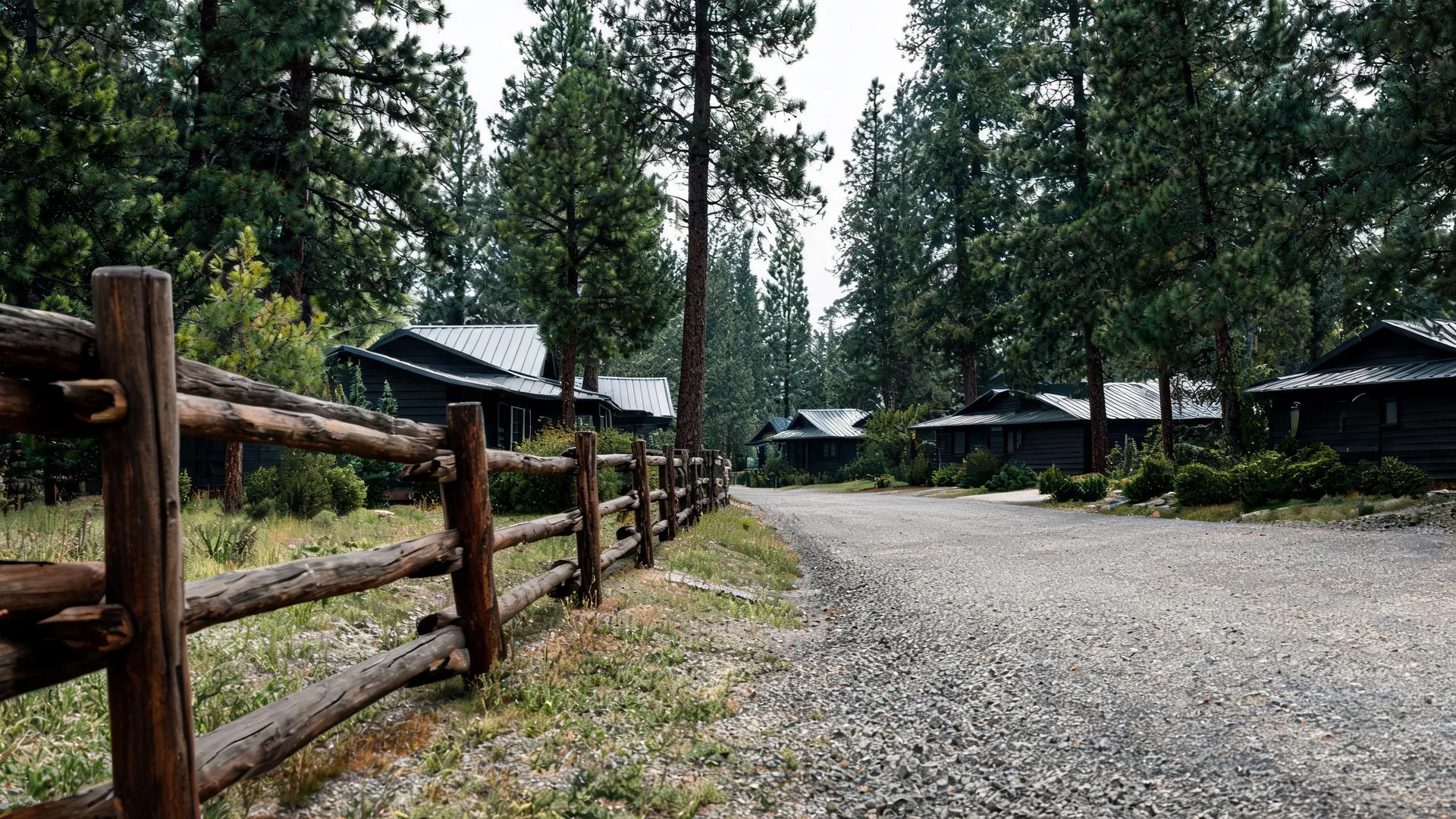






A gravel road curves past dark-sided cabins with metal roofs among tall pine trees, with a rustic split-rail wood fence and grass along the left side.

Heat Pump Repair in Price, UT

Tell us about the job

Takes about a minute. No obligation.

RepairHeat PumpCarbon County, UT
Step 1 of 2

What ZIP code is the job in?

July is the only month heat pumps here carry the cooling load, and a weak part that got through last summer usually fails fast once that load comes back. By September the same unit switches over to heat, so whatever is marginal in July has a second chance to show itself a few months later. If your heat pump is struggling now, in the first weeks of a new season, that timing is not a coincidence. A capacitor or contactor that was already weak tends to give out right when the demand jumps, not during the slow months in between. Getting it looked at now, rather than waiting to see if it sorts itself out, is what keeps a small repair from turning into a bigger one once the next season starts.

9 months
September through May, your system heats
1 months
July through July, it cools
15°F
the average winter night it heats against
80°F
the average summer afternoon it cools against
Isometric line illustration of a cutaway single-story house showing interior rooms, ceiling ductwork and an indoor air handler, connected by a line to an outdoor condenser unit on a pad beside the building.
Your system heats September through May and cools July through July.

NOAA nClimDiv, 1991–2020 normals

Nights here average 15°F in winter, and hail hits Carbon County about once every two years.

A heat pump in this county isn't fighting extreme weather most of the year, so a breakdown is usually age or a worn part, not the climate.

A heat pump here fails for the same reasons it would anywhere

Power costs 12.22 cents a kWh statewide
Climate zone 5B
Cooling runs July through July
Ask how old the unit actually is before you pay for a repairHalf the homes in Carbon County were built in 1972 or earlier.

That's the case for getting a repair quote before a replacement quote. A unit that hasn't spent the year fighting extreme heat or extreme cold is a unit where a contactor, a capacitor or a reversing valve is more likely to be the actual problem than the whole system giving out. A tech can tell you which part failed and why. Ask that question first, before the conversation turns to a new system.

Ask how much life is left before you pay for the repair

If your heat pump came with the house, ask the tech how much life is actually left in it before you agree to a repair. That answer should decide what you do next, not a guess about the unit's age.

Find a contractor
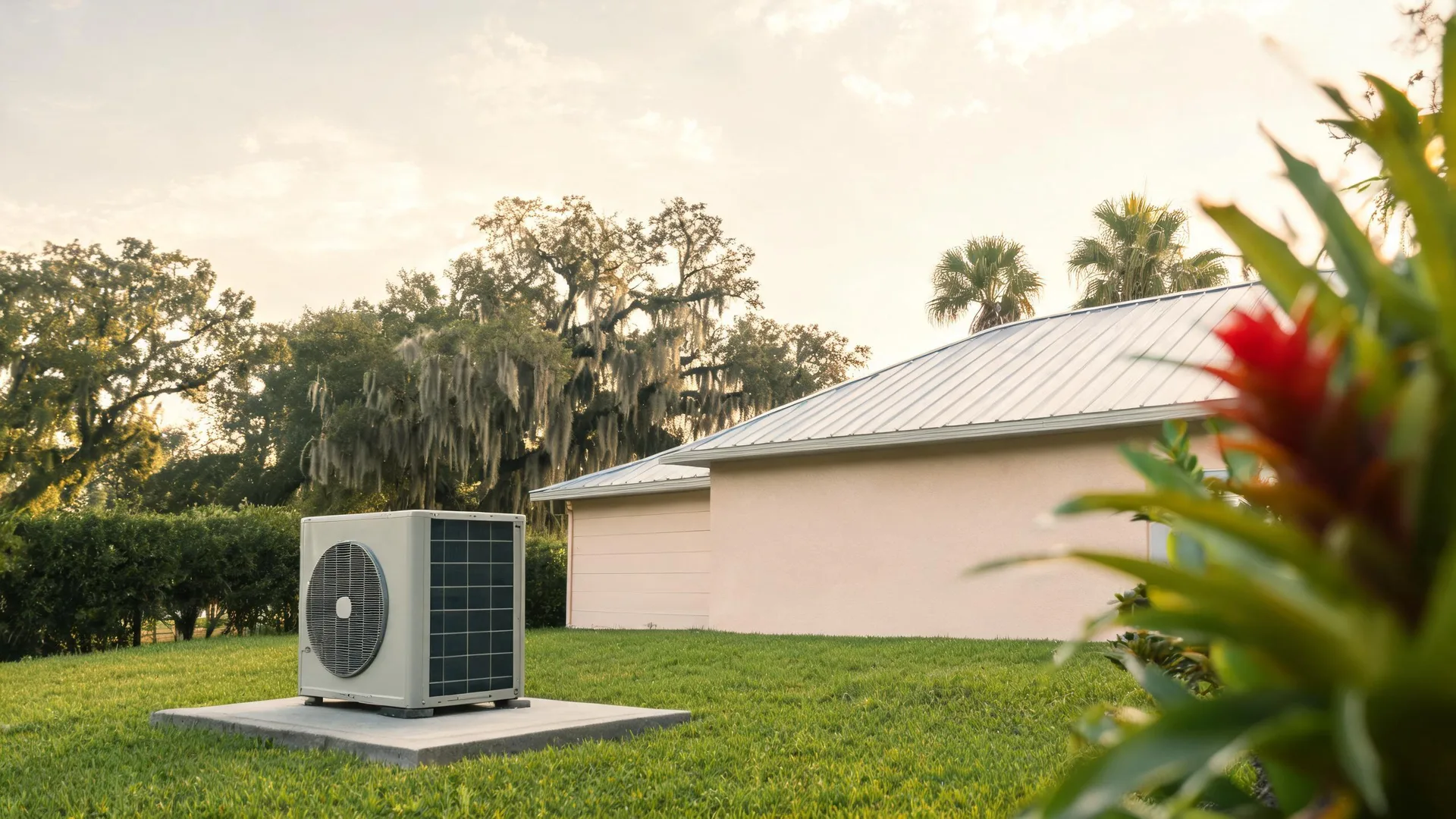
A residential heat pump outdoor unit mounted on a concrete pad next to a house with gray vinyl siding.

Running it while it struggles is what turns a small failure into a bigger one

A heat pump that's struggling doesn't fix itself by staying on. A compressor working against a low charge or a failing capacitor has to run longer to hit the same temperature, and that extra run time is what finishes off a part that was already going. A reversing valve stuck halfway doesn't clear itself either. It just keeps costing more to move less heat, cycle after cycle, until it sticks for good. The same goes for a dirty coil or a weak contactor. Left alone, the unit compensates by working harder, and working harder is exactly what a weak part can't take for long.

It blows, but the air isn't warm or cool enough

A heat pump that runs all day and never quite gets the house to temperature is usually short on refrigerant charge or losing capacity in the compressor. The airflow feels normal at the vent, so people wait on it, but a system that can't satisfy the thermostat is already working harder than it should, and that gap tends to widen, not close on its own.
Listen for what changed, not just what's loud

A new rattle, a hum that wasn't there before, or a click that repeats when the unit tries to start are all worth noting. A compressor that hums without starting is usually fighting a bad capacitor or a failing start relay. A clicking contactor that won't pull in means the outdoor unit isn't getting power through it. Either one stops the whole system cold, and neither gets better by itself.

Most heat pump failures trace back to a handful of parts, and they fail for ordinary reasons. A capacitor weakens with age and heat cycling until it can't push the compressor or fan motor to start. A contactor's contacts pit and burn from years of arcing every time the unit cycles on, until one day they don't close. The reversing valve, the part that switches the system between heating and cooling, can stick from a worn seal or a coil that's gone bad, leaving the unit stuck in one mode or blowing air that's neither hot nor cold. Refrigerant charge drops only when there's a leak somewhere in the line set or coil, never on its own, and a low charge makes the compressor work harder and run hotter than it's built for. A dirty outdoor coil forces the whole system to work against itself, since it can't move heat properly in either direction. None of these happen because a heat pump works too hard in any one season. They happen because a part wears out, and the unit asks more of everything else to make up for it.

A diagnostic visit starts outside, at the unit itself. A tech checks the refrigerant charge against what the system is supposed to hold, because too little means a leak somewhere in the line set or coil. They'll run the compressor and listen for a hum that doesn't turn into a start, which usually points to a weak capacitor or a bad start relay. The contactor gets a look too, since pitted contacts can stop pulling in even when everything else is fine. If the system is stuck heating when it should cool, or the other way around, the reversing valve gets tested next, because a stuck valve won't clear itself. Whatever's found gets named and explained before any repair starts, so the fix matches the actual part that failed.