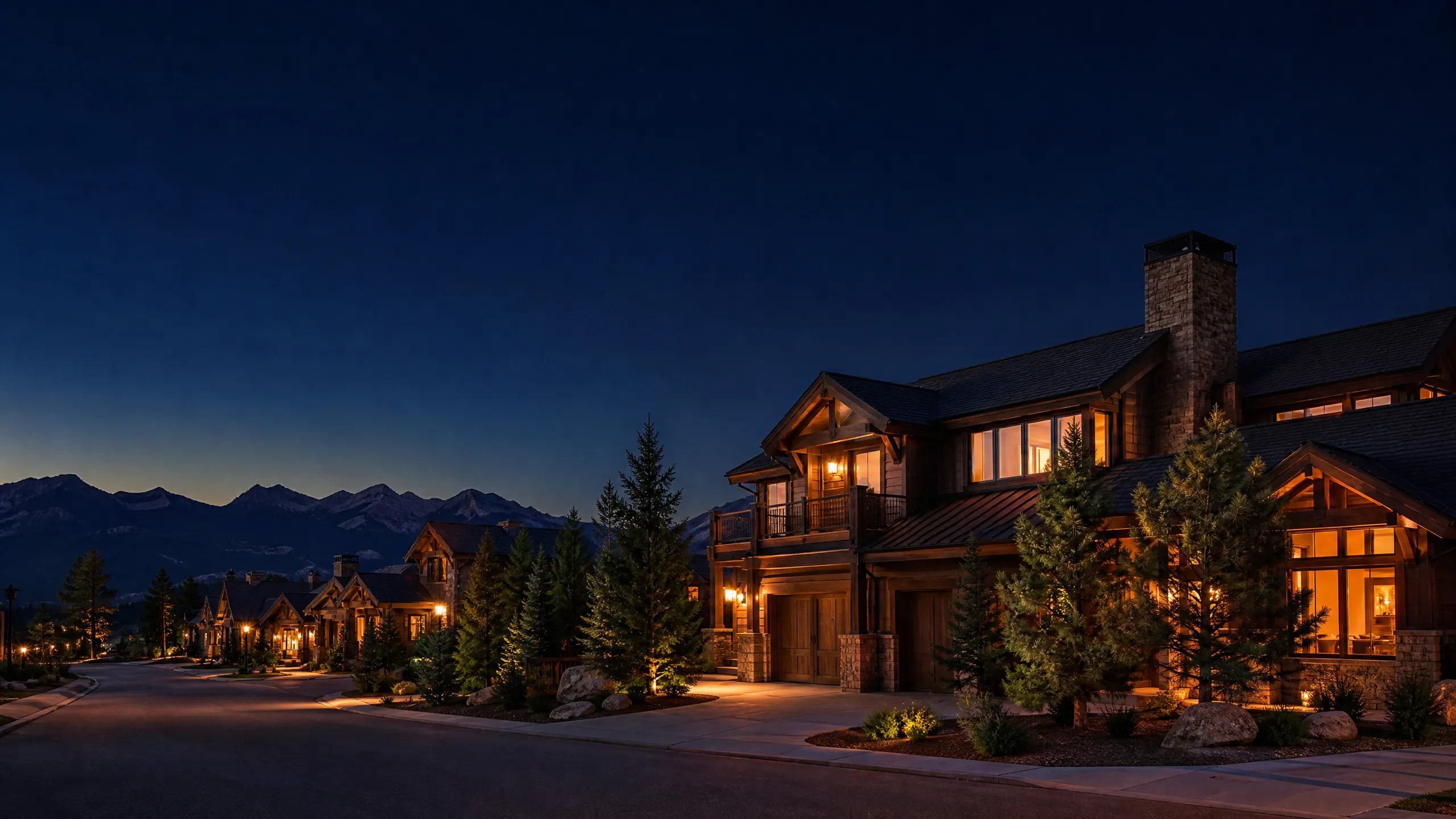
Illuminated timber-and-stone luxury homes along a residential street at dusk, with snow-capped mountains visible in the background.

Heat Pump Repair in Vernal, UT

Tell us about the job

Takes about a minute. No obligation.

RepairHeat PumpUintah County, UT
Step 1 of 2

What ZIP code is the job in?

How old the heat pump is matters more than what broke

A compressor failure or a refrigerant leak on an older heat pump is usually the end of the line, because the labor to fix it costs nearly as much as starting fresh with a unit that won't need the same repair again next year. The same failure on a younger system is worth fixing, since the rest of the unit still has years left in it.


Some repairs are worth it no matter the age

A bad capacitor, a failed contactor, a clogged drain line or a dirty coil are cheap, quick fixes that bring a heat pump back to normal regardless of how old it is. These parts fail on their own and don't mean the rest of the system is going bad too.

9 months
September through May, your system heats
2 months
July through August, it cools
13°F
the average winter night it heats against
84°F
the average summer afternoon it cools against
Isometric cutaway illustration of a single-story house showing interior ductwork, an air handler and rooms, with an outdoor condenser unit connected by refrigerant lines on a plain white background.
Your system heats September through May and cools July through August.

NOAA nClimDiv, 1991–2020 normals

Heat pumps here switch over to heat in September, after running cooling through July and August.

The first cold mornings put a load on parts that were already borderline, which is when repair calls tend to come in.

Vernal doesn't push heat pumps any harder than usual

36 damaging wind events from 2015 to 2024
58 winter storms from 2015 to 2024
Winter nights average 13°F
Vernal doesn't push heat pumps any harder than usualElectricity here runs 12.22 cents a kilowatt-hour, so a repair that gets your heat pump back to normal is what keeps that bill in check.

Half the homes in Uintah County were built in 1992 or later, so there's a good chance yours is one of them. If your heat pump came with a house from that era, it's not old by the standards of the equipment. Most of what fails on a younger unit is worth fixing rather than replacing. Age alone isn't a reason to think about starting over.

Get it looked at early

Problems tend to show up in the first weeks of the season, when the load hits a part that was already weak.

Find a contractor
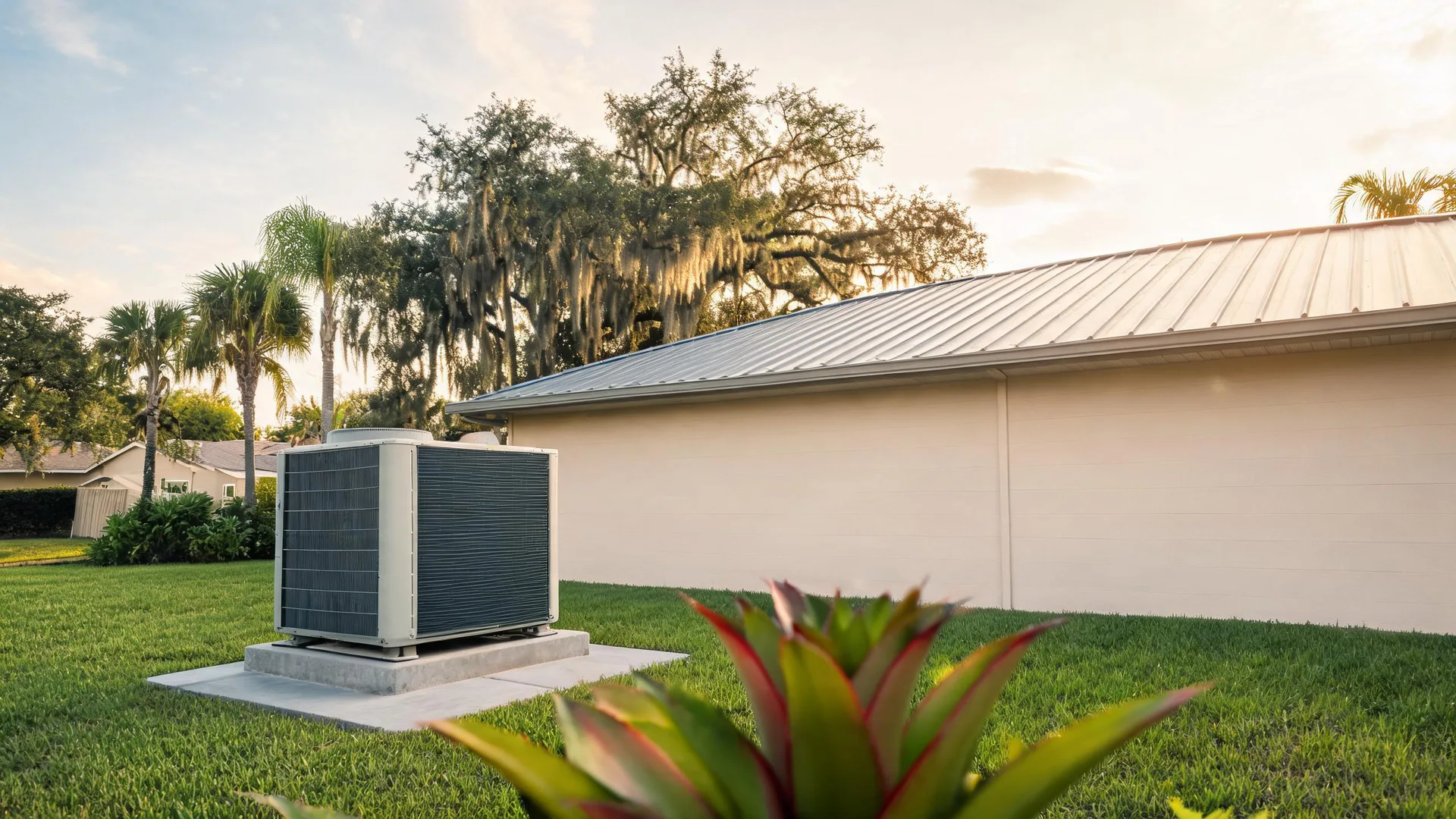
A dark gray heat pump unit mounted on a concrete pad next to a house with gray siding and a stone veneer wall.

The same parts do the switching, year after year

A heat pump doesn't get the long rest a furnace gets once the weather turns. It keeps cycling on both sides, heating and cooling, which is why certain parts tend to be the ones that fail. The reversing valve is one. It's what switches the system between modes, and the seals inside it wear a little with every switch until it starts sticking or leaking. The defrost board and sensor are another common point of failure, since they tell the unit when to melt the frost that builds up on the outdoor coil. If that sensor goes bad, ice builds up on the coil and the system can't pull in heat anymore. Capacitors weaken over time until the compressor or fan motor struggles to start. Contactors pit and burn from the switching they do every time the system cycles. None of this means the unit itself is wearing out. It means a small set of parts carry the load every time the system changes modes, and those are the ones that tend to need attention first.

Check the thermostat first

Make sure it's set to heat and the temperature is set above room temperature. Some thermostats have a separate battery that dies on its own, long before the system itself has a problem. If the screen is blank or unresponsive, that's worth ruling out before anything else.

Look at the outdoor unit

Walk outside and check that the outdoor unit isn't buried in leaves, snow, or ice. Airflow in and out of that unit is how a heat pump moves heat, and if it's blocked the whole system struggles. A light coat of frost in cold weather is normal. A thick layer of ice that doesn't melt off on its own is not, and points to a defrost problem rather than something you can clear by hand.

A heat pump that's struggling still tries to answer the thermostat, and that's the problem. A weak capacitor makes the compressor draw hard on every start instead of failing clean, and that extra draw is what wears it out for good. A sticking reversing valve left alone wears the same way, a little more each cycle, until it jams in one position. Ice on the outdoor coil behaves the same way if the defrost board isn't telling it to clear. The unit keeps running, the ice keeps building, and airflow keeps dropping, so the system works harder to move the same heat. A part that fails clean is a simple swap. A part that's made to keep carrying the load after it starts failing usually takes the compressor or the motor down with it.

A diagnostic visit starts with the thermostat and the readings at the unit, not with guesswork. A gauge set on the refrigerant lines shows whether the charge is right, since too little refrigerant shows up as weak heat and ice that won't clear. A meter across the capacitor and contactor shows whether they're holding their values or dragging the compressor down on every start. The reversing valve gets tested under power, since a valve that sticks only shows itself when it's asked to switch. Amp draw on the compressor and fan motor tells whether a part is running normal or straining to do a job it used to do easily. None of this means guessing and replacing parts until something works. It means finding the one reading that's off and fixing what that reading points to.