




What the cold here does to a heat pump
Winter nights here average 13°F. A standard heat pump starts losing efficiency around 35°F and starts falling short of its rated heat output below 40°F. An average night here is already past both marks. More than half the nights across the nine months you run heat, about 175 of them, drop to freezing or below. That is not a cold snap. That is most of the season.
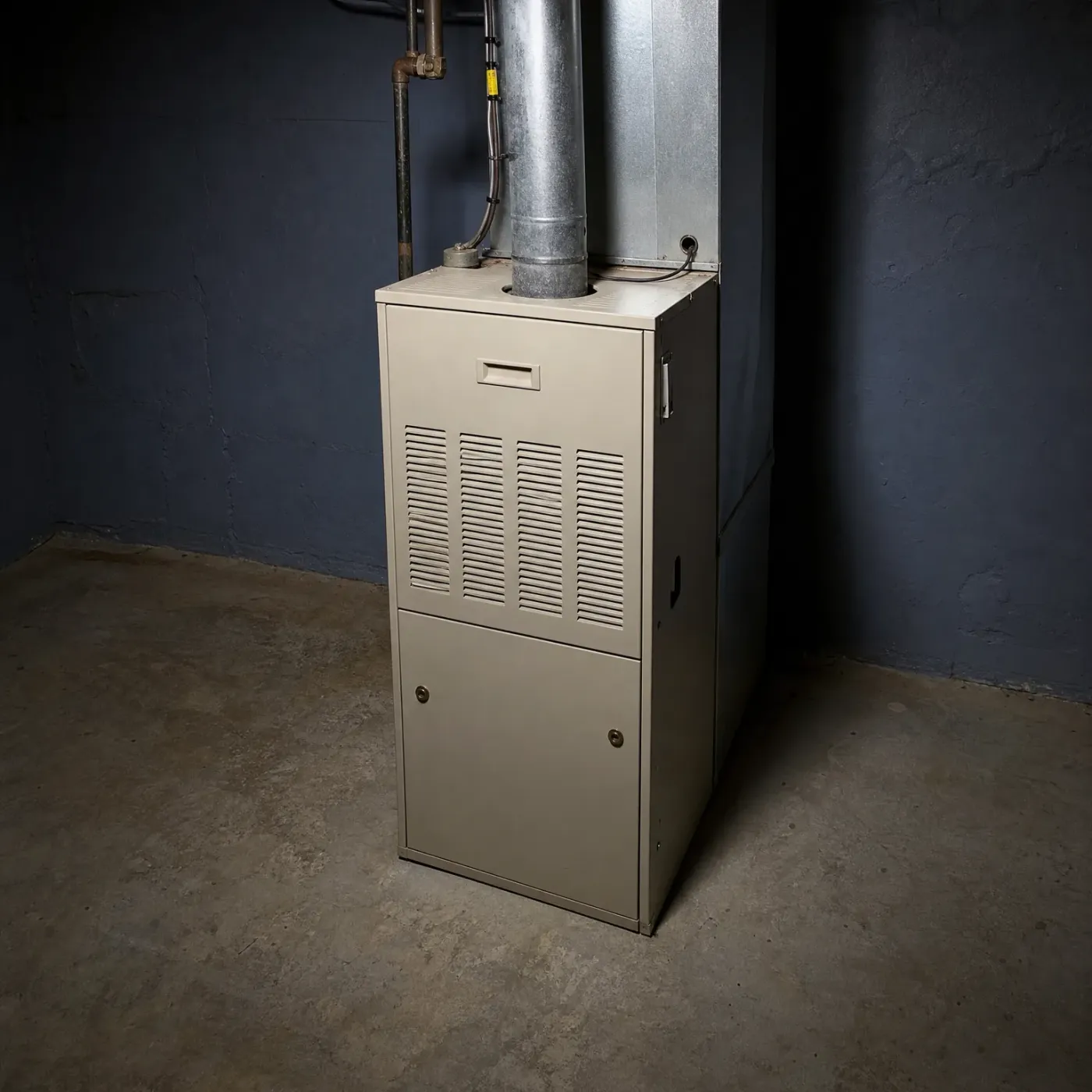
This is why the running costs above are close but don't tell the whole story. The $1.63 figure for the heat pump is its federal minimum seasonal rating, with nothing added for backup heat. It assumes the machine makes heat at that rate all season, and here it often will not be able to. A gas furnace holds its output and its efficiency no matter how cold it gets outside, which is why it is rated at a flat 80 percent and stays there.
A cold-climate heat pump is built differently. To earn that label a unit has to prove it still makes 1.75 units of heat for every unit of electricity at 5°F and keeps at least 70 percent of its warm-weather capacity at that temperature, verified by a third party, not claimed by the manufacturer. In a two-winter field test of these units in occupied homes, backup heat covered only a small share of the load between 0°F and 35°F, and the units rarely ran on backup alone unless it dropped below 0°F. That happens here too, about 14 nights a year, a small part of the roughly 175 nights that reach freezing.