



A bare concrete basement containing a gray gas furnace with metal ductwork and a vertical flue pipe, lit by a single hanging bulb.

Furnace Repair in Vernal, UT

Tell us about the job

Takes about a minute. No obligation.

RepairFurnace or heatingUintah County, UT
Step 1 of 2

What ZIP code is the job in?

A diagnostic visit starts with the complaint. The tech wants to know what the furnace was doing before it quit. Short cycling, cold air, a strange noise, each of those points to a different cause. From there it's a check of the simple things first. Power to the unit, the thermostat call, the condensate line if it has one, the flame sensor, the igniter. A gas furnace gets checked for proper ignition and a clean burn. A weak flame sensor signal and a cracked heat exchanger can both show up as the system refusing to stay lit, so the tech has to tell them apart rather than guess. The blower gets tested separately from the gas valve. A furnace that heats but won't push air has a different problem than one that won't light at all. By the end the tech should be able to point to the one part that's failing and explain why it causes what you're seeing, not just that something is wrong somewhere in the system.

9 months
September through May, your furnace is on duty
13°F
the average winter night it heats against
60%
of homes here heat with gas, so most furnaces here burn gas
58 winter storms
in ten years, the nights a failure hurts most
Isometric cutaway illustration of a single-story house with a dark shingled roof, showing interior rooms with beds and furniture, overhead ductwork, and a gray furnace with a tall flue pipe at the exterior wall.
Your furnace works hardest from November through March.

NOAA nClimDiv, 1991–2020 normals

Furnaces in Uintah County start running in September and stay on through May.

A weak part usually waits for that first cold stretch to fail, so repair calls cluster right at the start of the season.

September through May, this furnace runs about as hard as any other

Climate zone 6B
Heat runs September through May
Winter nights average 13°F

Half the homes in Uintah County were built in 1992 or later. If your house falls in that group, the furnace behind the wall isn't old by trade standards, even with a long season behind it every year. A furnace that age failing to light or short cycling is usually one worn part, not a system breaking down for good. That's worth knowing before anyone talks about replacing it.

Nine months a year of work adds up to one worn part

Winter here runs long and the overnight lows sit near 13 degrees for weeks at a stretch. A furnace carrying that load for nine months wears a part sooner than it would somewhere milder. That's usually the whole problem, not a sign the system is done. Get the part identified and the repair holds.

Find a contractor
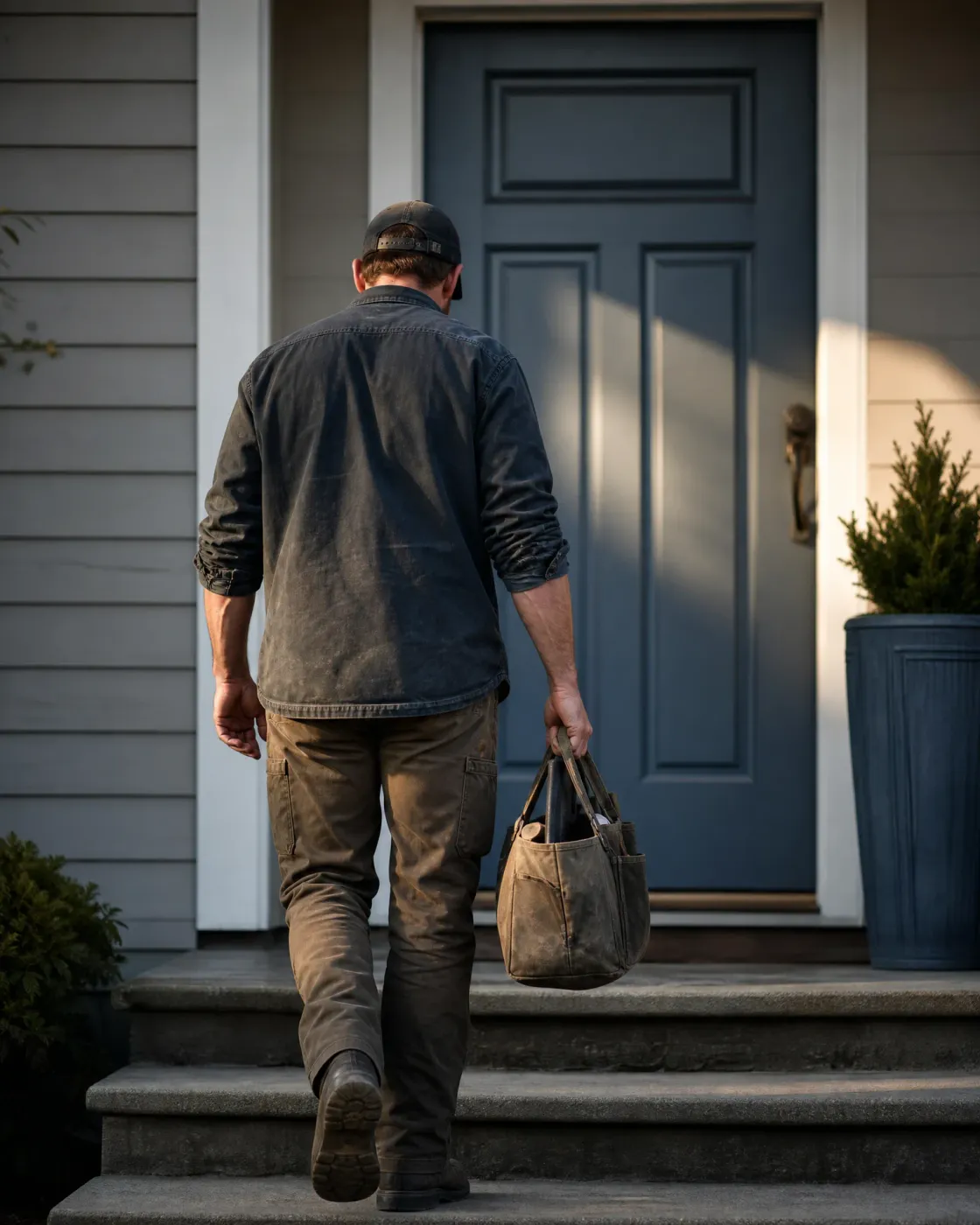
A man in a cap, dark work shirt and brown cargo pants walks up concrete steps toward a blue-gray front door, carrying a worn canvas tool bag in his right hand, with a potted shrub beside the entry.
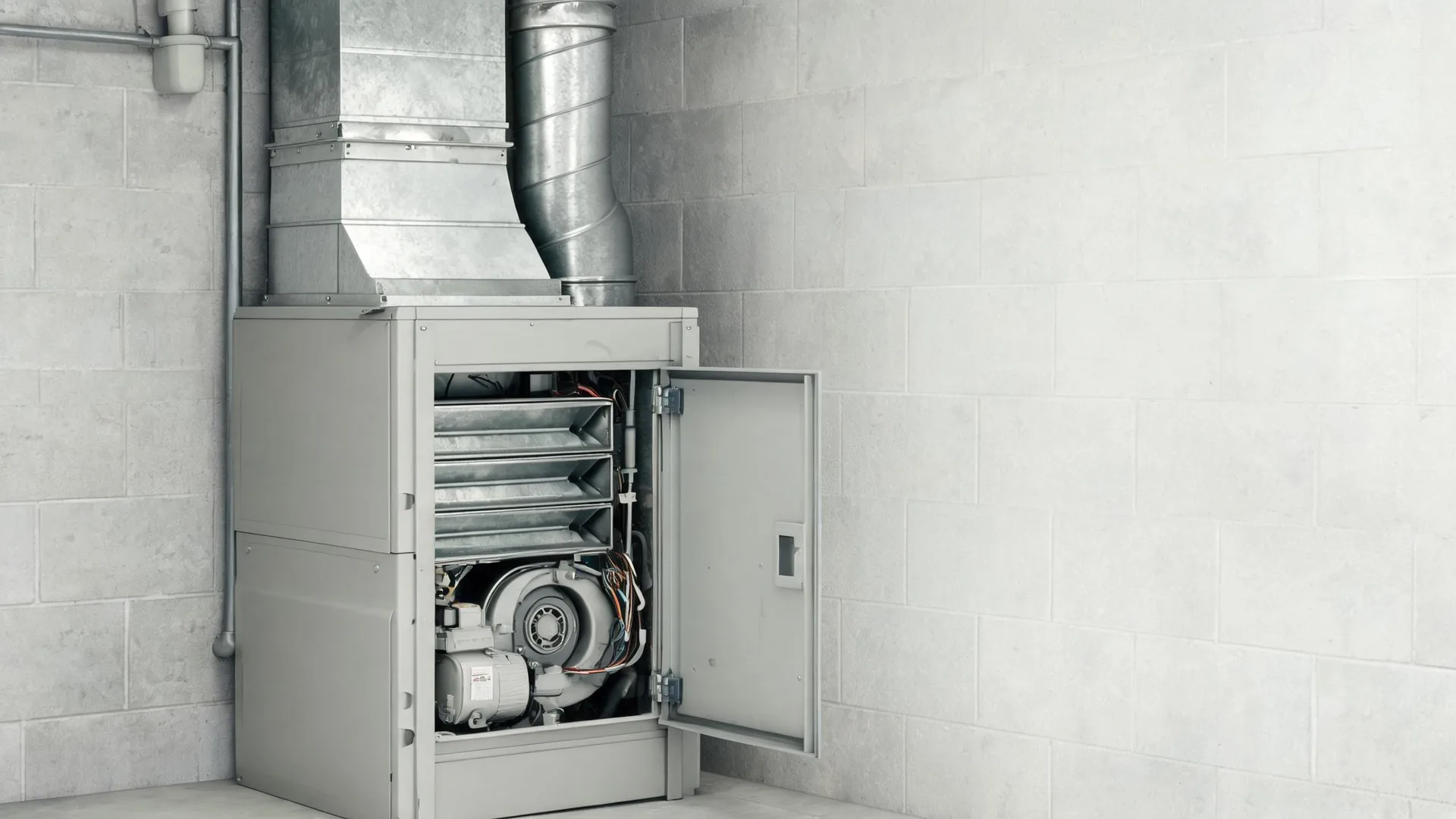
A gray residential gas furnace installed in an unfinished basement, surrounded by ductwork, a metal flue pipe, and a gas supply line.

The years on this furnace are not the problem

A furnace built around 1992 or later is still a reasonable age for the trade, so a repair call here is usually about finding the one part that quit, not deciding whether to replace the unit. If yours came with a newer build, ask the tech to name the failed part before any talk of replacement. That's the question worth getting answered.

What you can check safely

Check the thermostat is set to heat and the temperature is set above room temperature. Check the furnace switch, the one that looks like a light switch on or near the unit, is on. Check the breaker hasn't tripped. If the furnace uses a standing pilot, see if the pilot light is out. Check the air filter. A filter packed with dust can choke airflow enough to make the furnace shut itself off partway through a cycle.

Where to stop

Don't pull the burner compartment open or reach for the flame sensor or igniter yourself. Those sit right next to the heat exchanger and the gas valve, and taking the wrong thing apart can turn a simple fix into a bigger one. If the furnace trips its breaker more than once, or you smell gas, shut it off and call. That's not a checklist item, that's the job stopping for a tech.

A gray forced-air furnace with metal ductwork stands in an unfinished basement with exposed wooden joists, concrete walls, and a single hanging light bulb.

A new furnace would cut about $120 a year off heating for a typical Uintah County home.

  • A new high-efficiency furnace$520 a year
  • An older furnace$640 a year

Estimates for a typical Uintah County home, compared with an older unit built to the previous federal minimum, from EIA household energy data, Utah fuel prices and NOAA climate normals. Your home will differ.

Repair makes sense when one part has failed and the heat exchanger is sound.

Replacement makes sense when the heat exchanger is cracked or the furnace keeps needing parts.

Most furnace calls end in a repair, not a replacement, and the reason comes down to how these units fail. A furnace rarely dies all at once. One part wears out and takes the rest of the system down with it, a cracked heat exchanger, a failed control board, a blower motor seized in its bearings. Fix that one part and everything built around it is still good. The exceptions are the ones where the failed part tells you about everything else. A heat exchanger cracked from years of heating and cooling stress is a sign the rest of the unit has seen the same stress, even if nothing else has failed yet. A tech worth hiring tells you which kind of problem you have before suggesting either one.