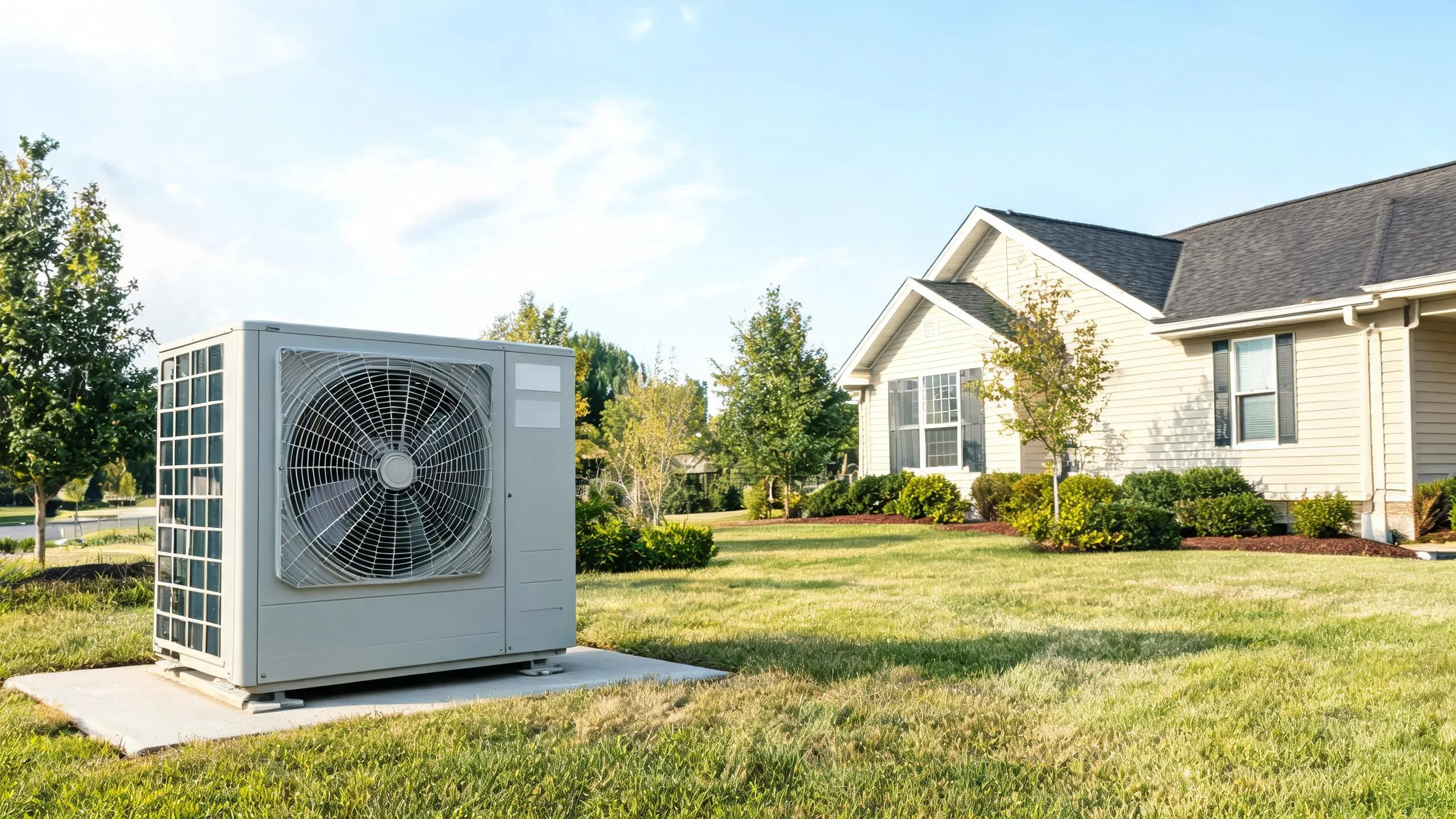







A grey heat pump outdoor unit mounted on a concrete pad in a suburban backyard, with a single-storey house visible behind it.

Heat Pump Repair in Garden City, UT

Tell us about the job

Takes about a minute. No obligation.

RepairHeat PumpRich County, UT
Step 1 of 2

What ZIP code is the job in?

A tech starts outside, checking the outdoor unit for a frozen coil, a seized fan motor, or a compressor that hums but won't start. Inside, they'll check the air handler for proper airflow and look at the reversing valve, since a stuck valve is a common reason a heat pump blows cold air when it should be heating. They'll hook up gauges to check the refrigerant charge, because low charge from a slow leak is one of the more common reasons for weak heating or cooling. Thermostat wiring and the defrost control board get checked too, since a bad sensor there can keep the unit stuck in defrost mode or stop it from defrosting at all. Once the tech finds the actual cause, they'll walk you through what's failing and what it takes to fix it before any work starts.

10 months
September through June, your system heats
11°F
the average winter night it heats against
76°F
the average summer afternoon it cools against
Isometric line illustration of a cutaway single-story house showing interior rooms, ceiling ductwork connected to an indoor air handler, and refrigerant lines running to an outdoor condenser unit on a pad.

Heat pumps in Garden City run from September through June.

August is the month to get a weak one looked at, before the first cold stretch finds the part that's already failing.

Half the homes in Rich County date to 1992 or later, so your heat pump is probably still within its working life

Half the homes here were built by 1992
Climate zone 6B
Power costs 12.22 cents a kWh statewide
Garden City winters don't break heat pumpsOvernight lows here average 11°F in winter, the kind of cold any working heat pump is built to handle.

So when a part fails, the question isn't whether the system is old enough to write off. It's what actually failed. A reversing valve or a defrost control board is a contained repair on a unit with years left in it. Fixing either one keeps a heat pump that's otherwise sound running the way it should. That's different from a unit near the end of its life, where one repair tends to lead to another. Here, odds are you're not in that situation.

Get it looked at early

Problems tend to show up in the first weeks of the season, when the load hits a part that was already weak.

Find a contractor
A man in a dark long-sleeve shirt and tan work pants carries a waxed canvas tool bag up concrete steps toward a blue front door of a gray-sided house, with potted shrubs nearby.
A residential heat pump outdoor unit mounted on a concrete pad next to a house with gray vinyl siding.

Some problems get worse the longer they run

A heat pump that's struggling doesn't fail all at once. It fails in steps, and each step puts more strain on the parts that are still working. Take a low refrigerant charge from a slow leak. The compressor still runs, but it has to work harder to move heat with less refrigerant than it needs, and it runs hotter doing it. Keep that up long enough and the compressor windings can burn out, turning a leak repair into a compressor replacement. A stuck reversing valve causes its own kind of strain. If the system keeps cycling while the valve is stuck, it can blow cold air on a call for heat, and the backup heat ends up carrying a load it wasn't sized to carry alone. A defrost control board that's lost track of the coil can leave frost built up on the outdoor unit, which cuts airflow and can let the compressor pull in liquid refrigerant it isn't built to handle. None of this is about the cold outside. It's a weak part doing its job badly, over and over, until something downstream gives out too.

Check the thermostat first

Make sure it's set to heat and the set temperature is above room temperature. Check the batteries if it uses them, and make sure a breaker or switch near the air handler hasn't been bumped off. These take a minute to rule out before anything else.
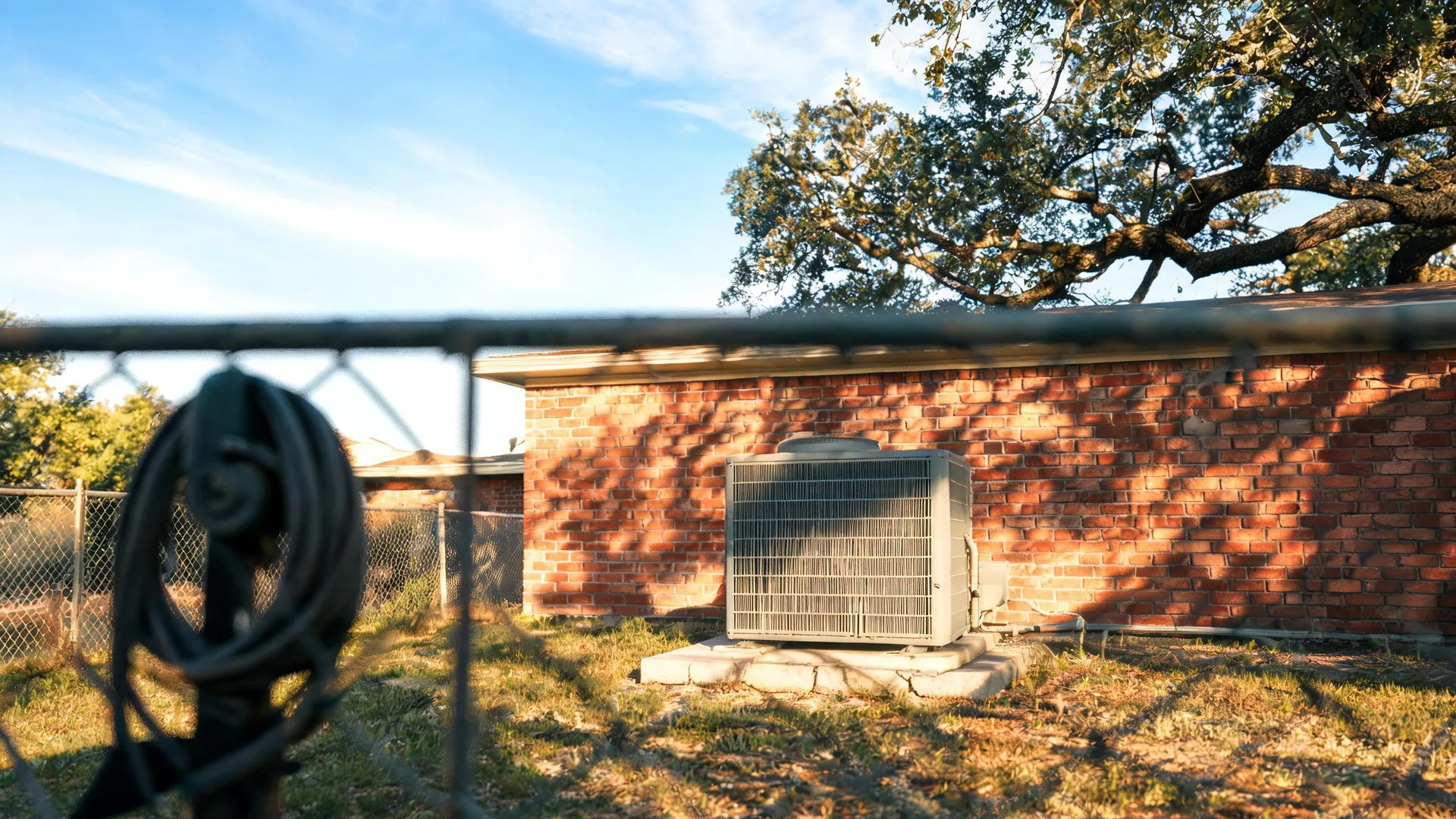
Look at the outdoor unit and the filter

Walk outside and see if the coil is caked in ice or buried in leaves and debris. Clear away anything blocking airflow into it. Then check the air filter inside. A clogged filter starves the system of airflow, and that alone can look like a much bigger problem.

Most heat pump failures trace back to one of a few parts doing too much work for too long. Capacitors are a common one. The capacitor gives the compressor and fan motors the jolt they need to start, and it weakens with age and heat until it can't anymore, so the unit hums or the fan sits still. Contactors wear from simple use, since every cycle means another jolt of electricity across the contacts, and eventually they pit and stop making a clean connection. Refrigerant leaks usually start small, at a fitting or a joint that's vibrated loose over years of running, and they get worse slowly rather than all at once. Sensors and control boards fail too, sometimes from age and sometimes from a power surge, and when they do the unit can't tell what the coil or the air is actually doing. None of these are wear patterns unique to one brand or one install. They're just what happens to a machine that cycles on and off for years, outdoors, carrying refrigerant under pressure through parts that see hot and cold swings every single day.

The question is never really the heat pump's age. It's whether the part that failed is one failure or a sign of more behind it. A capacitor or a contactor is a wear item, like a belt or a filter, and swapping it brings the unit back to normal with nothing else owed down the line. A compressor is different. It sits at the center of the system, and when it's failing, usually from years of running hot on a low charge, there isn't a repair that fixes it short of replacing it, and a new compressor on an old system is rarely worth doing on its own. The way to tell them apart is what the tech finds, not how old the unit is. Ask what exactly failed and whether that part failing says anything about the rest of the system. A straight answer to that tells you more than the age of the equipment ever will.