





A rustic log rail fence beside a gravel verge and paved road, with dark-sided cabins with metal roofs among tall pine trees under an overcast sky.

Heat Pump Repair in Huntington, UT

Tell us about the job

Takes about a minute. No obligation.

RepairHeat PumpEmery County, UT
Step 1 of 2

What ZIP code is the job in?

Winter nights here average 19 degrees, and that's cold enough for your heat pump to lean hard on its backup heat strips to keep the house warm. If those strips fail or the system can't switch over right, you'll feel it fast, usually as air that's blowing but not warm. Emery County has seen plenty of winter storms over the years, but that's not what's breaking your unit. It's almost always a worn contactor, a low refrigerant charge, or a defrost control board that's stopped doing its job. Those are common failures in any heat pump, anywhere, and a tech who knows what to check will usually find the cause quickly.

8 months
October through May, your system heats
3 months
June through August, it cools
19°F
the average winter night it heats against
88°F
the average summer afternoon it cools against
Isometric illustration of a cutaway single-story house showing interior ductwork, an indoor air handler and simple furniture, connected by lines to an outdoor condenser unit beside the building.
Your system heats October through May and cools June through August.

NOAA nClimDiv, 1991–2020 normals

A reversing valve that sticks keeps the heat pump running in the wrong mode.

Heat or cool, only one will work until that valve gets replaced.

October is when a heat pump's weak spot gets found

Cooling runs June through August
Heat runs October through May
54 winter storms from 2015 to 2024
Huntington heat pump repairElectricity here runs 12.22 cents per kilowatt-hour, so a heat pump leaning on backup strips costs you more the longer it runs that way.

Half the homes in Emery County were built in 1978 or earlier, and half since, so age alone doesn't point to what's wrong with your heat pump. Mobile homes make up a real share of the housing here, and those units often tie the heat pump to a different air handler or electric furnace setup than a site-built house uses. If your home is one of those, it's worth mentioning when you call, since it changes where the tech starts looking. Past that detail, the unit itself fails the same way it would anywhere else. A tech checks the contactor, the charge, and the defrost board first because those are what usually quit, not because anything about this county wears equipment out faster.

Get the usual fix

Nothing about this area is especially hard on it. It's most likely the usual problem with the usual fix.

Find a contractor
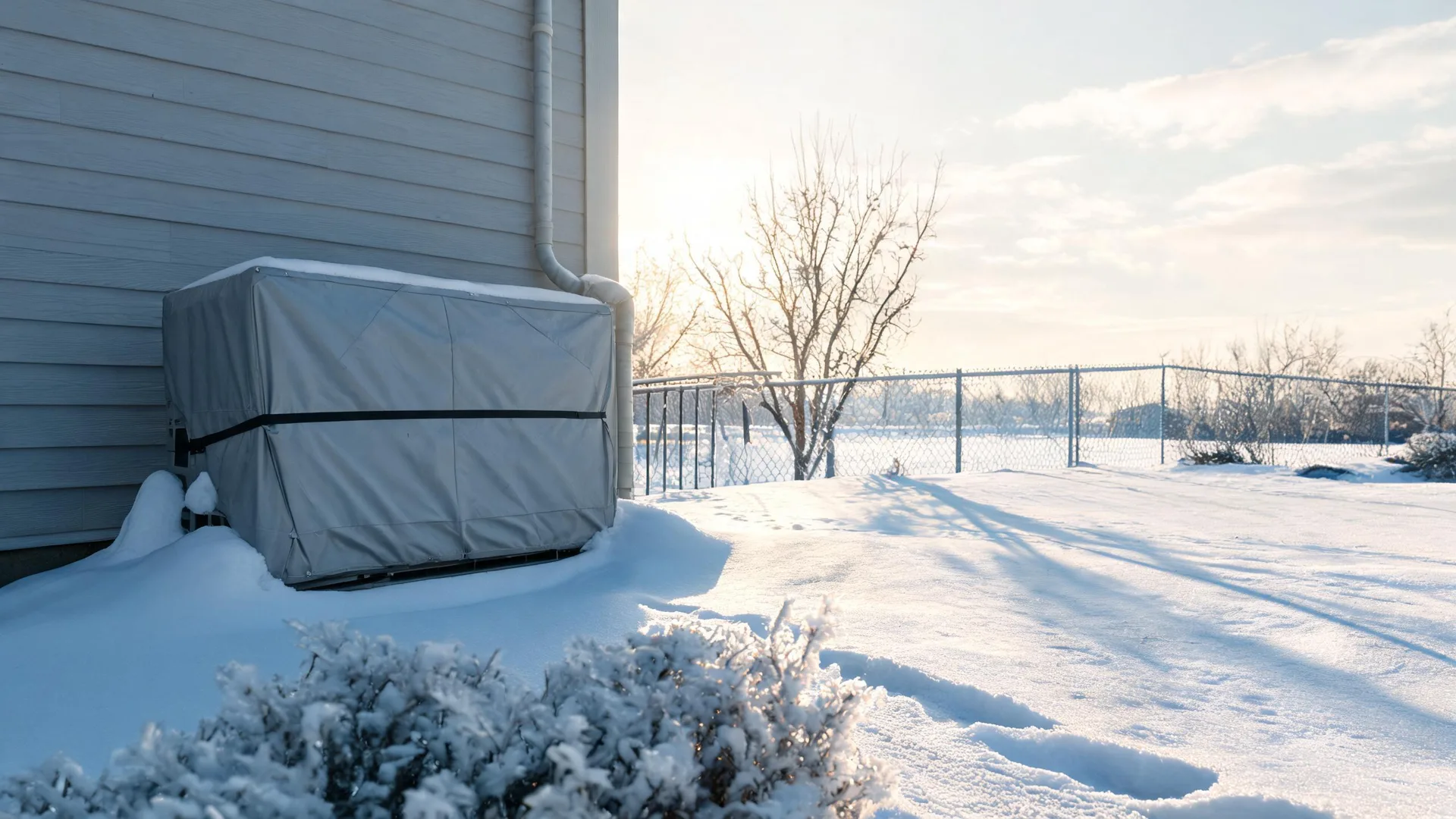
A gray heat pump condenser unit mounted on a concrete pad against the gray lap-siding exterior wall of a house.

What tells you this heat pump needs a tech

A heat pump that's struggling usually tells on itself before it quits outright. Air blowing but not warm means it's leaning on backup heat because the system itself isn't keeping up. A unit that won't switch from heat to cool, or gets stuck in one mode, points to a reversing valve that's sticking. Short cycling, where it kicks on and off every few minutes instead of running a steady stretch, points to a contactor that's not holding or a thermostat signal that's not getting through clean. Frost building up on the outdoor coil and staying there past a normal defrost cycle means the defrost board isn't doing its job. None of these fix themselves, and running the system while they're happening usually just pushes the failure from one part to the next.

A low charge gets worse every day you run it

A heat pump that's lost some refrigerant will still run. The compressor keeps pulling in, trying to move a charge that isn't there anymore. That strain is what shortens its life. Left alone, a slow leak doesn't stay slow. The compressor that could have been saved with an early recharge ends up needing a full replacement.
A failing defrost board hides behind the symptom

If the defrost control board can't tell the system when to switch modes, ice builds on the outdoor coil and stays there. A coil caked in ice can't pull heat from the air, so the unit runs longer to do less. Keep running it that way and the compressor is working against a blocked coil the whole time, which is a harder way for it to fail.

Before you call, go outside and look at the outdoor unit. If it's buried in ice or snow, that's worth knowing, but don't chip at it. Check the air filter next, since a clogged one starves airflow and can mimic a refrigerant problem. Inside, look at the thermostat. If it's set to emergency heat, switch it back to normal and see if that changes anything. Check the breaker for the outdoor unit and the one for the air handler, since a tripped breaker on either side looks like a dead system but isn't a repair at all. If the air is blowing but cold, note that detail exactly, because it tells the tech more than 'it's not working' does.

An old heat pump and a new one don't call for the same decision when something breaks. If the compressor itself is failing, that's usually the end of the road, since a new compressor costs close to what a new system does and doesn't come with a warranty on the parts around it. A contactor, a capacitor, a defrost board, those are worth fixing no matter the age of the unit, because they're a small part of what the system costs and swapping one doesn't gamble on what fails next. A refrigerant leak sits in between. Finding and sealing it takes real labor, and if the compressor has been running low on charge for a while already, you're repairing a leak on a compressor that may not have long left anyway. A tech who's honest with you will tell you which kind of repair this is before they start, not after.