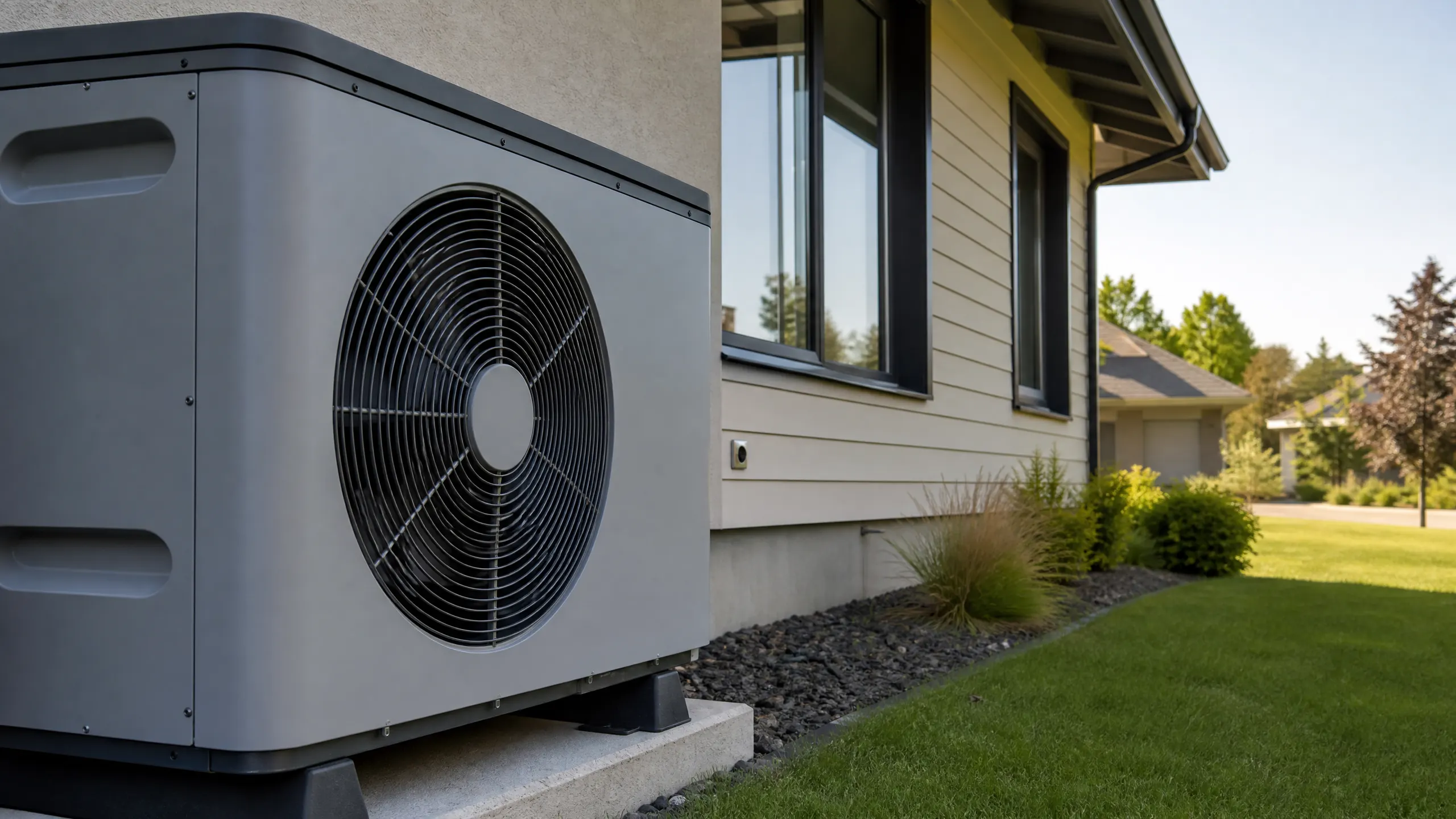





A grey outdoor HVAC unit mounted on a concrete pad beside the beige-sided exterior wall of a suburban house.

Heat Pump Repair in Roosevelt, UT

Tell us about the job

Takes about a minute. No obligation.

RepairHeat PumpDuchesne County, UT
Step 1 of 2

What ZIP code is the job in?

Heat here runs from September through June, about ten months of the year. August is the only real break, so that's when a weak part finally gets tested, usually in those first cold mornings in September. A heat pump that struggled last spring won't have fixed itself over the summer. If yours was short cycling, icing up, or blowing air that wasn't quite warm enough before you shut it down, expect the same thing on the first cold start, only worse. A contractor can find out now whether that's a failing part or something more minor, before you're relying on this system every day.

10 months
September through June, your system heats
12°F
the average winter night it heats against
76°F
the average summer afternoon it cools against
Isometric grayscale illustration of a cutaway house showing interior rooms, ceiling ductwork and an air handler, connected by lines to an outdoor condenser unit on a pad outside.

Winter here brings real cold, averaging 12°F overnight, but wind and hail are what wear a system down, and Duchesne County doesn't see much of either.

A heat pump that's run fine until now is probably worn in one spot, not worn out, and that's usually worth fixing.

Nothing out here is hard on a heat pump. Something in yours just wore out.

Power costs 12.22 cents a kWh statewide
25 damaging wind events from 2015 to 2024
9 hail events from 2015 to 2024

Half the homes in Duchesne County were built in 1986 or earlier, half later, and a heat pump doesn't care which one yours is. What matters is whether the unit itself is original to the house or got swapped in later, and that's worth checking before you assume the worst. One in five homes here is a mobile home, and those usually run smaller heat pumps or packaged units mounted differently than a house system does. The fix still comes down to the same handful of parts, a contactor, a capacitor, a reversing valve. Where the unit sits changes how a tech gets to it, not what's likely wrong with it.

One worn part is worth fixing

A heat pump that's held up this long with no real wind or hail to fight has earned a repair, not a replacement. Get the worn part found before the next cold morning tests it again.

Find a contractor
A dark gray heat pump unit mounted on a concrete pad next to a house with gray siding and a stone veneer wall.

What to check before you call

Start at the thermostat. Make sure it's set to heat and the target temperature is above room temperature, and check the batteries if it uses them. Then look at the outdoor unit. Some frost is normal, a heat pump frosts and defrosts on its own cycle, but ice that's thick or hasn't melted in hours means the defrost cycle isn't working. Clear away anything blocking airflow around it, leaves, snow, anything leaning against the cabinet. Inside, check the filter. A clogged one starves the system of airflow and can leave the air feeling cool even when the system is heating. Check that vents are open and nothing's blocking them. Last, check the breaker panel. If the outdoor unit isn't running at all, a tripped breaker is worth ruling out before anything else. None of this tells you if a capacitor is failing or a reversing valve is stuck, that takes a meter and someone who knows where to put it. But ruling out the easy stuff first means the visit goes straight to finding what's actually wrong.

The reversing valve sticks before it breaks

A reversing valve that's wearing out doesn't usually quit all at once. It starts sticking in one position, so the system blows cold on a heat call or won't switch back from a defrost cycle. By the time it fails outright, it's usually been giving that away for a while.
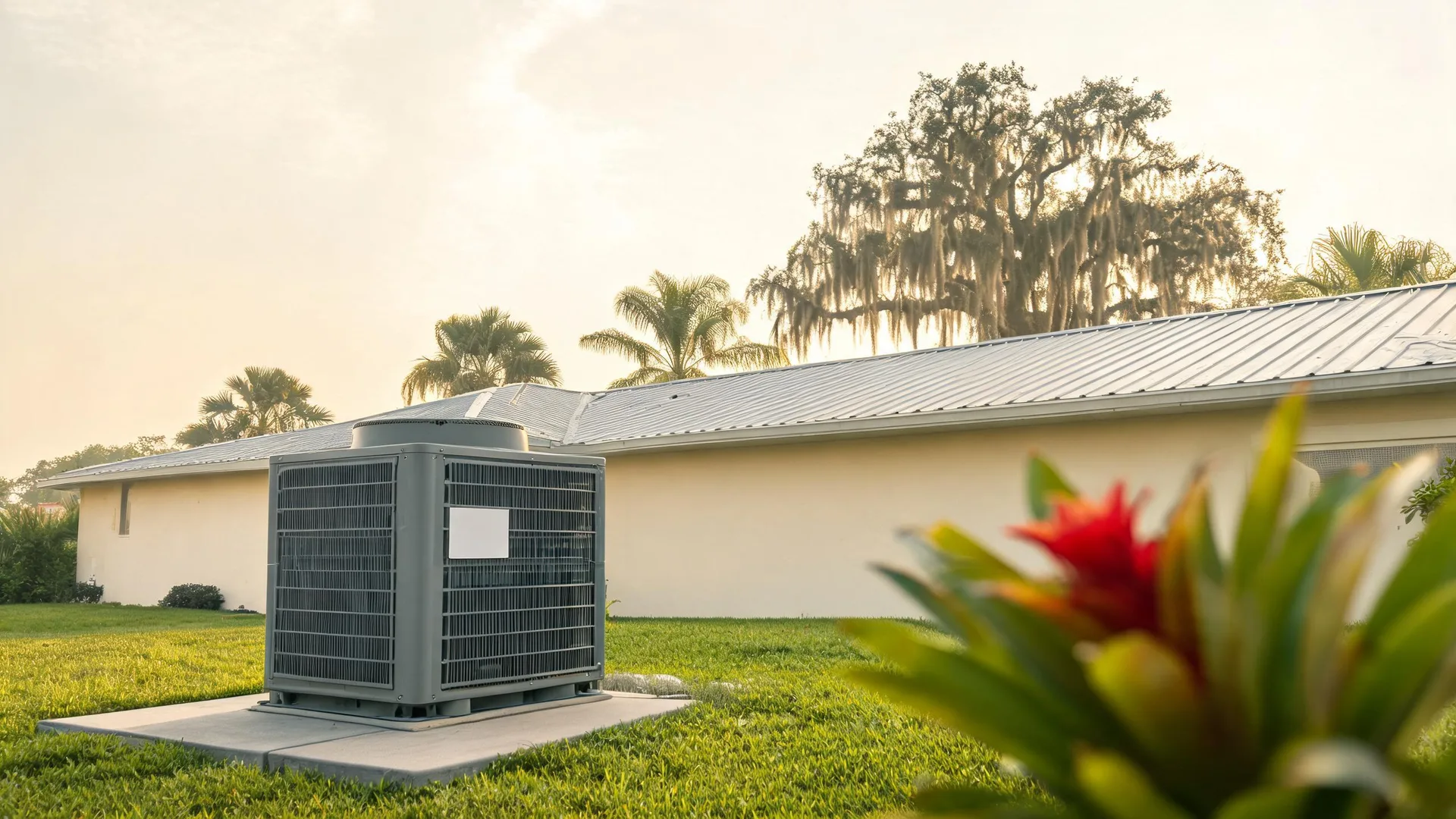
A capacitor fails the same slow way

The capacitor that starts the outdoor fan or compressor weakens before it dies. The symptom is a unit that hums and doesn't start, or a fan that spins slow, and that part can keep running like that for a while before it quits for good. Catching it there is a repair. Waiting for it to quit outright is an emergency call.

A heat pump that's icing up or short cycling and gets left alone doesn't hold steady, it gets worse. Ice that isn't melting between defrost cycles builds on itself, blocking more airflow each round, and the compressor ends up working against a coil that can't absorb heat anymore. Short cycling does similar damage a different way. Every stop and start loads the compressor and the contacts that switch it, and a system doing that for weeks wears those parts faster than one running a normal, steady cycle. A reversing valve that's sticking in one spot tends to stick worse over time, not better. None of this fixes itself by waiting. The part that's struggling now is the part that fails outright later, usually on the morning you need it most.

A diagnostic visit starts with questions. When the system started acting up, what it does and doesn't do, whether it happens on every cycle or just some. Then the tech checks the thermostat call against what the outdoor unit and indoor coil are actually doing, because that mismatch is usually where the answer is. Gauges go on to check refrigerant pressure, and a meter checks the capacitor and the windings in the compressor and fan motors. The reversing valve gets tested directly, since a valve that's stuck partway can look like several other problems until someone checks it on purpose. Most of this takes longer than the repair itself, because finding the failing part is the job. Replacing it is usually the easy part after that.