



An unfinished concrete basement containing a metal HVAC air handler, exposed wooden ceiling joists with sheet-metal ducts, a hanging bare bulb, copper pipes, and stacked cardboard boxes.

Furnace Repair in Tooele, UT

Tell us about the job

Takes about a minute. No obligation.

RepairFurnace or heatingTooele County, UT
Step 1 of 2

What ZIP code is the job in?

Furnace trouble in Tooele usually comes down to the same handful of causes, whether it's a dead igniter, a clogged filter, or a blower motor on its way out. Your furnace is running from October through May, so by midwinter it's logged a lot of hours, and worn parts tend to show themselves under that kind of use. Overnight lows here average 20°F in December and January, which means a furnace that quits isn't something to leave for later. None of that points to anything unusual about homes in this area. It's the same repair a tech would expect to find in any house running a furnace this many months a year.

8 months
October through May, your furnace is on duty
20°F
the average winter night it heats against
77%
of homes here heat with gas, so most furnaces here burn gas
14 winter storms
in ten years, the nights a failure hurts most
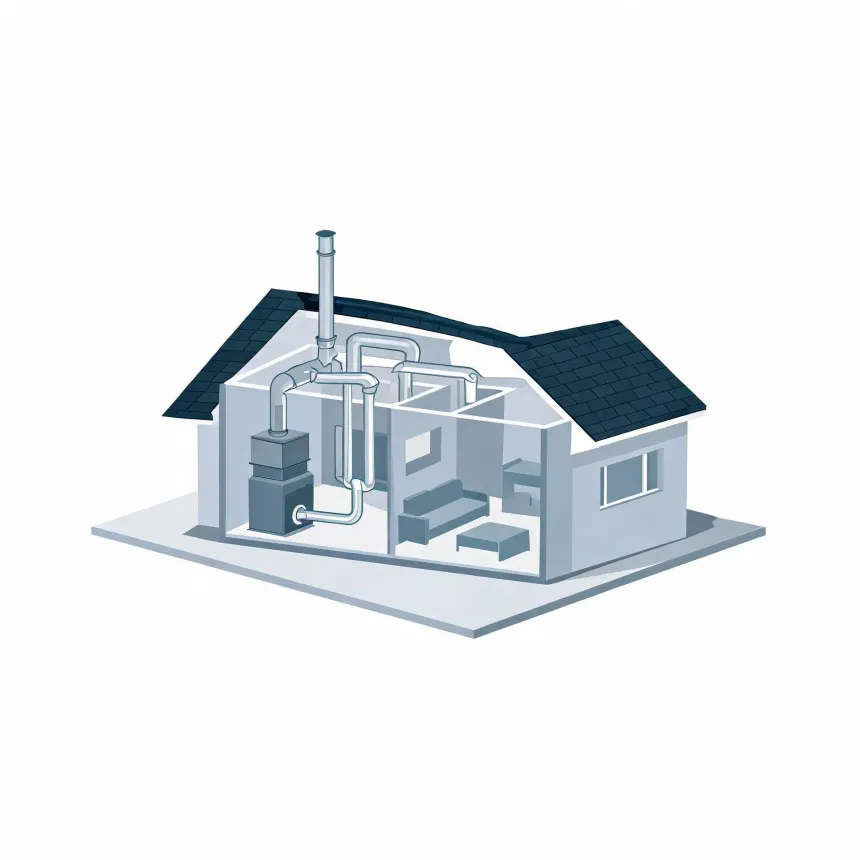
Isometric illustration of a cutaway single-story house showing a gray furnace unit, connected ductwork, and a vertical flue extending above the dark shingled roof.
Your furnace works hardest from November through March.

NOAA nClimDiv, 1991–2020 normals

Furnaces in Tooele break early in the season more than any other time.

September is the month to get yours looked at, before October's first cold nights find the weak part.

Tooele gets its share of wind and winter storms, not a reason to expect more from your furnace

518 severe weather events from 2015 to 2024
7% of homes statewide lost power a day or more in 2024
497 damaging wind events from 2015 to 2024
A newer furnace, still early in its lifeHalf the homes in Tooele County were built in 1998 or later

Gas is what most furnaces in Tooele run on, and that cost is worth knowing. Utah gas ran $12.55 per million Btu in 2024, so a furnace that's short-cycling or running longer than it should is burning money every day it sits unrepaired. That's a reason to get it looked at even when it hasn't fully quit, not just when it stops working. The fix itself still comes down to finding the one part causing the trouble. Nothing here changes what that repair looks like.

Get the usual fix

Nothing about this area is especially hard on it. It's most likely the usual problem with the usual fix.

Find a contractor
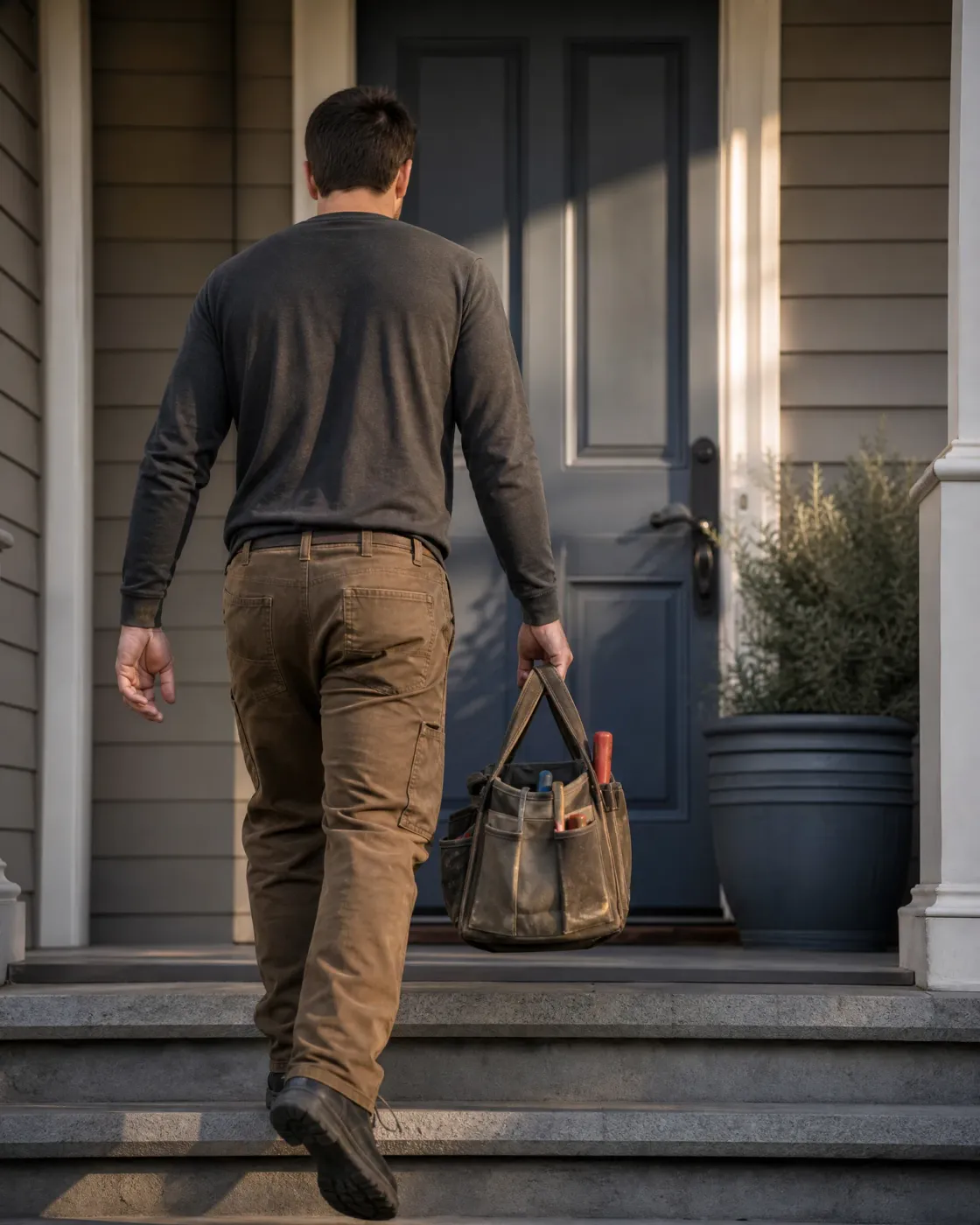
A man in a dark long-sleeved shirt and brown pants walks up concrete steps toward a dark blue front door, carrying a canvas tool bag with tools in it, beside a potted shrub.
A gray residential gas furnace installed in an unfinished basement, surrounded by ductwork, a metal flue pipe, and a gas supply line.

What to check before the call

Before anyone comes out, check the thermostat first. Make sure it's set to heat and set a few degrees above room temperature, and check the batteries if it uses them. Next, go to the filter. Pull it out and hold it up to a light. If you can't see light through it, that's likely restricting airflow enough to cause problems, and swapping it is something anyone can do without tools. Check that the furnace switch, the one that looks like a light switch near the unit, hasn't been bumped off. Look at the breaker box too, since a tripped breaker will shut the whole system down without any other warning. If your furnace has a standing pilot, see whether it's lit, and check for a reset button on the control board if it has an electronic igniter. Last, walk around the house and check that supply vents and return grilles aren't blocked by furniture or rugs. None of this fixes a cracked heat exchanger or a failed blower motor, but it rules out the causes that don't need a tech at all.

A limit switch tripping again and again wears out the blower

A furnace that overheats trips its limit switch to shut the burners down before anything cracks. That's the system protecting itself. But if the real problem is a clogged filter or a blocked return starving it of airflow, the furnace just fires back up and hits the same limit switch again. Each cycle like that puts more strain on the blower motor and the heat exchanger, the parts you least want to replace.

A cracked heat exchanger only gets worse, never better

Metal that's cracked from heating and cooling stress doesn't heal itself. Every cycle flexes it a little more, and the crack opens further. Left alone, it goes from a minor leak to one that pushes exhaust into the air the blower is moving through the house. That's a furnace to shut off and get looked at, not one to keep running until it's convenient.

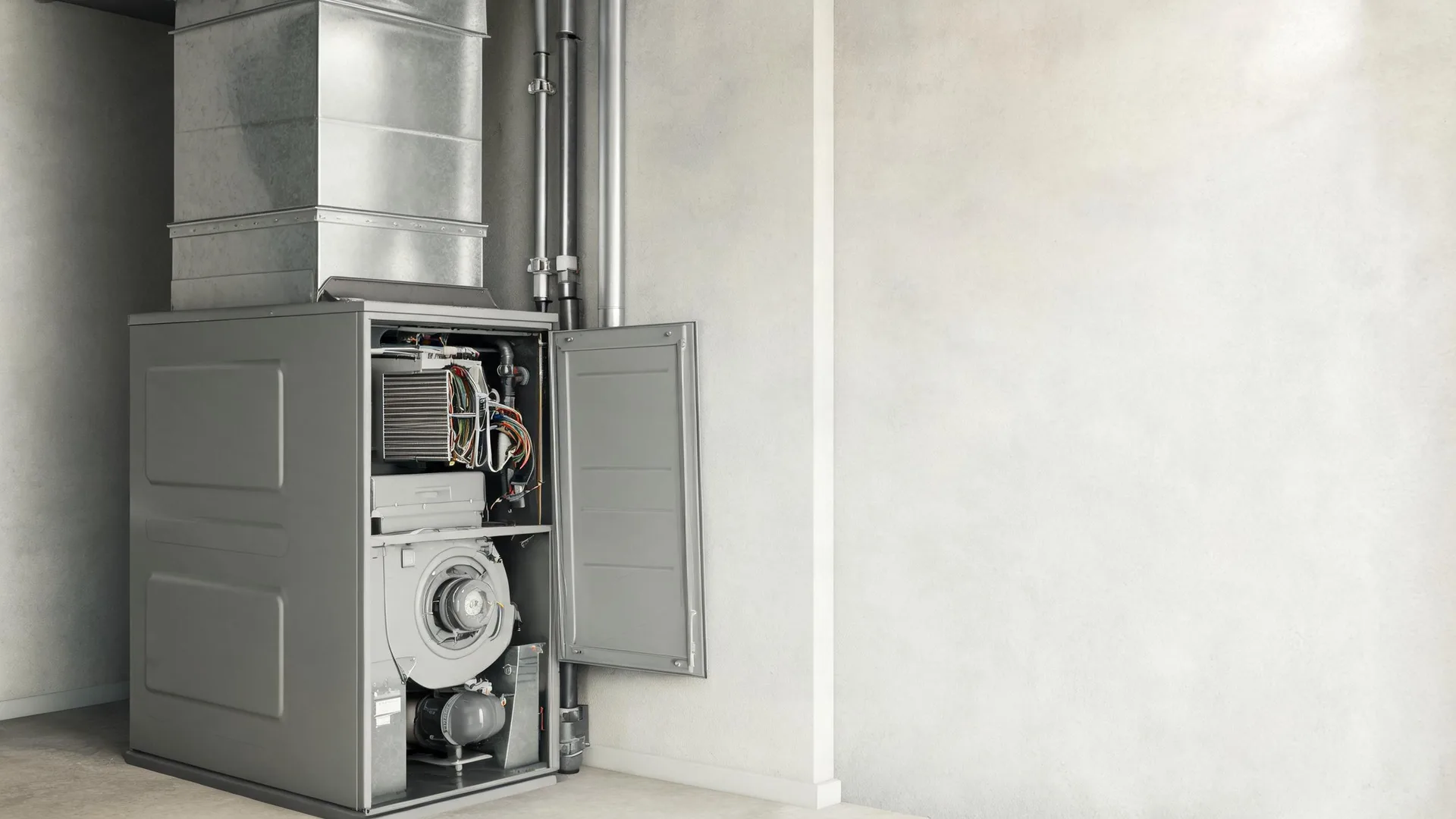
A gas furnace with sheet-metal ductwork and PVC pipes installed in an unfinished basement.

A new furnace would cut about $100 a year off heating for a typical Tooele County home.

  • A new high-efficiency furnace$430 a year
  • An older furnace$530 a year

Estimates for a typical Tooele County home, compared with an older unit built to the previous federal minimum, from EIA household energy data, Utah fuel prices and NOAA climate normals. Your home will differ.

Repair makes sense when one part has failed and the heat exchanger is sound.

Replacement makes sense when the heat exchanger is cracked or the furnace keeps needing parts.

A diagnostic call starts at the thermostat and works inward from there. The tech checks that the call for heat is reaching the control board. Then the furnace gets watched through a full cycle. Does the igniter glow or the pilot light. Does the gas valve open. Does the burner catch, and does the blower kick on after. Where that sequence stalls says a lot about what's wrong. No ignition points at the igniter, the flame sensor, or the gas valve itself. Ignition that catches but shuts off early points at a dirty flame sensor or a limit switch tripping from restricted airflow. A blower that won't start or won't stop points somewhere else, often the fan control board or the motor itself. Most of this gets sorted with a multimeter and the tech's own eyes, not guesswork.