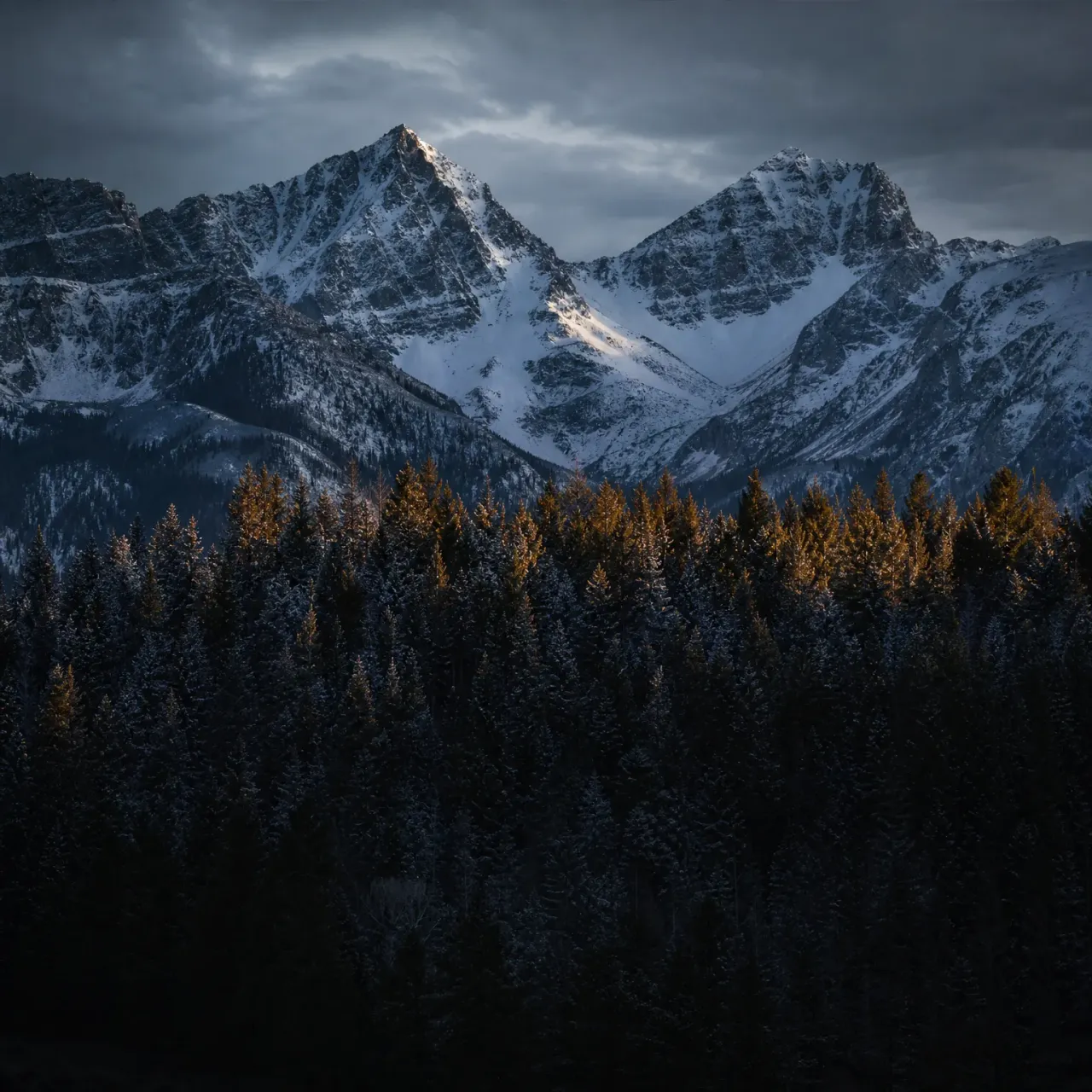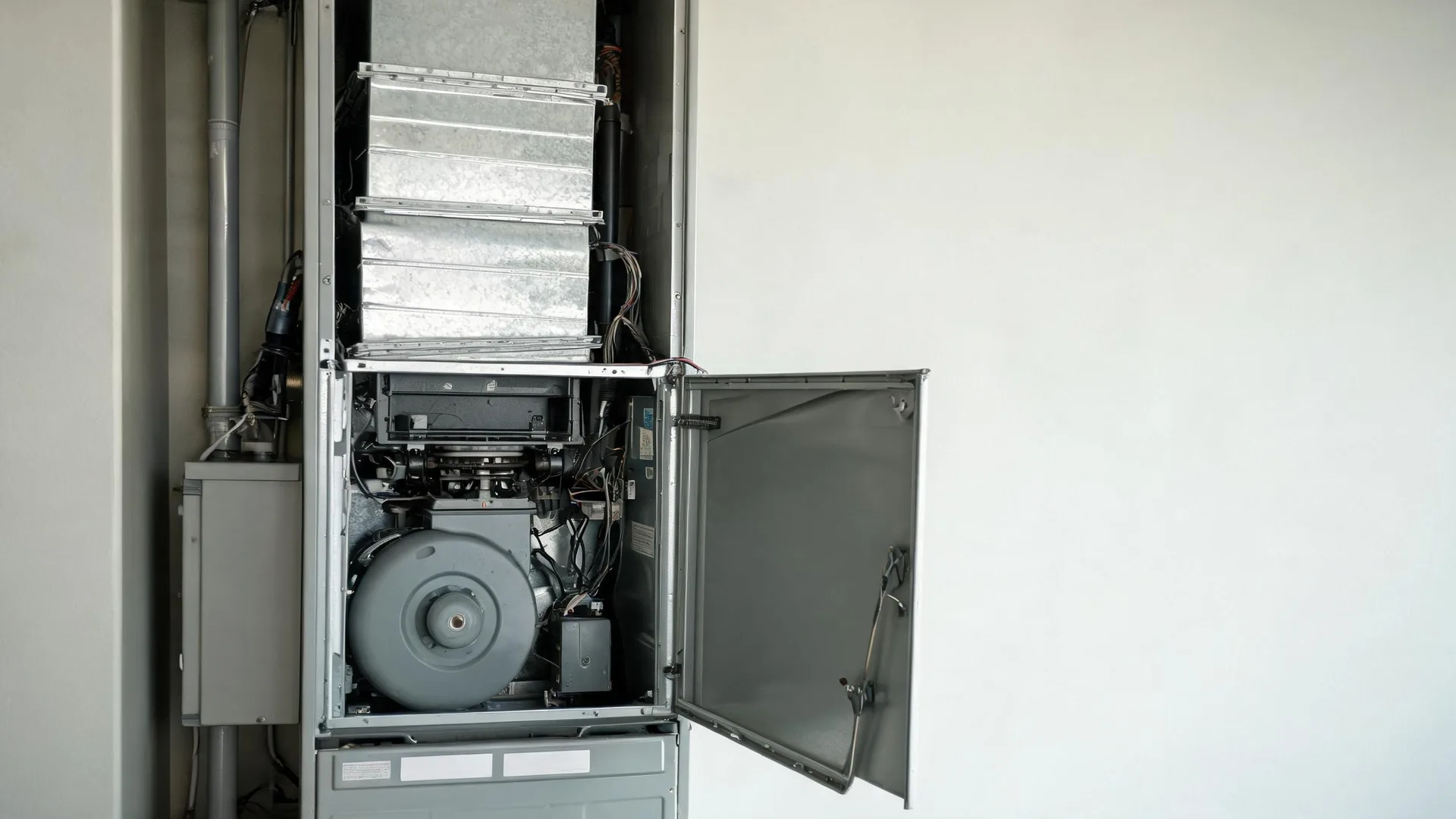
A multi-story timber-frame and stone house glows with warm interior and exterior lighting on a dark residential street, with mountain peaks and pine trees visible in the background.

Furnace Repair in Delta, UT

Tell us about the job

Takes about a minute. No obligation.

RepairFurnace or heatingMillard County, UT
Step 1 of 2

What ZIP code is the job in?

Eight months of work a year

Furnaces in Delta run from October through May. With overnight lows averaging 20°F in December, January and February, your furnace is cycling on for most of the day and night through the winter stretch, not just a few cold snaps.

What that means for a repair call

A furnace running close to eight months a year wears its parts sooner than one that only kicks on now and then. The igniter, the blower motor or the pressure switch can all give out early under that kind of use, so whatever is acting up in your furnace is worth having diagnosed rather than guessed at.

8 months
October through May, your furnace is on duty
20°F
the average winter night it heats against
68%
of homes here heat with gas, so most furnaces here burn gas
32 winter storms
in ten years, the nights a failure hurts most
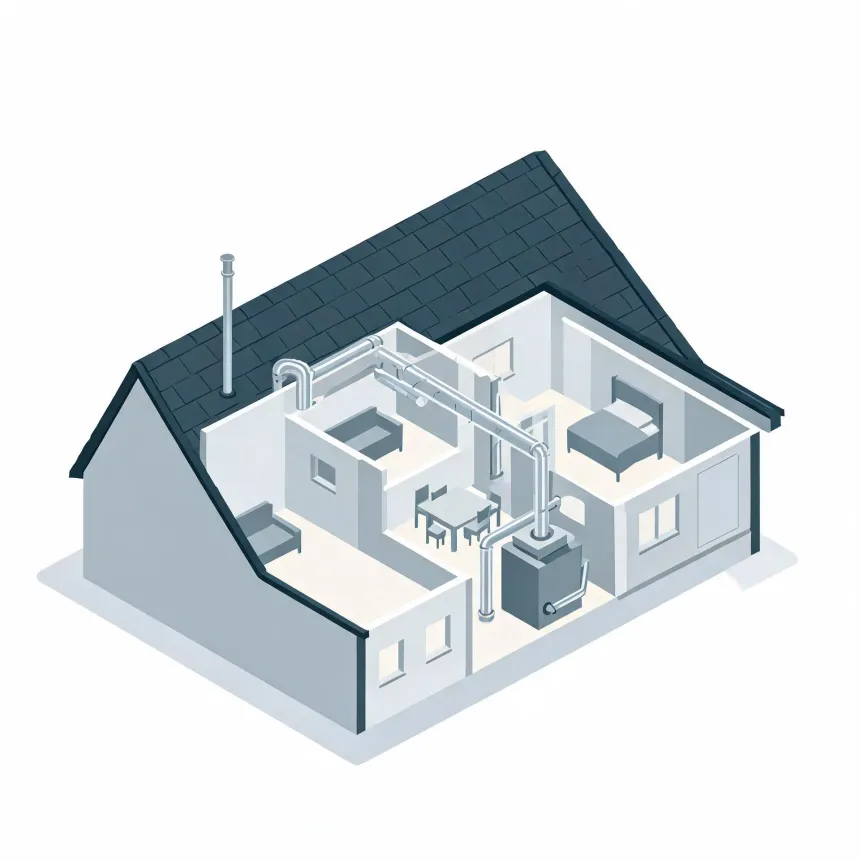
Isometric cutaway illustration of a single-story house with a dark shingled roof, showing interior rooms with furniture and a ducted furnace unit connected to metal ductwork and a roof flue.
Your furnace works hardest from November through March.

NOAA nClimDiv, 1991–2020 normals

Gas here runs $12.55 per million Btu, close to the national price.

Nothing about the cost of running your furnace makes this an unusual repair, so look at the usual causes first.

Furnace trouble in Delta shows up first in October

Heat runs October through May
Winter nights average 20°F
32 winter storms from 2015 to 2024

Half the homes in Millard County were built in 1974 or earlier, and half in 1974 or later. Age alone doesn't tell you much about the furnace inside, since a system gets replaced on its own schedule, not the house's. If your furnace came with the house, it's worth finding out how old it actually is. If it's been swapped out since, none of that history applies to the unit you have now. Either way, what matters is what the furnace is doing right now, not what year it was built.

Get the furnace looked at before it has to work through another winter

A furnace that runs eight months a year doesn't give you much room between a small problem and a cold house. Getting whatever it's doing checked now means it gets fixed instead of just patched before the next cold stretch.

Find a contractor
A gray residential gas furnace installed in an unfinished basement, surrounded by ductwork, a metal flue pipe, and a gas supply line.

What actually wears out

Most furnace failures start with one part that wears out faster than the rest. The igniter takes the most abuse, since it heats up and cools down every single cycle, and that repeated stress is what eventually cracks it. The flame sensor fouls over time with a film that builds up cycle after cycle, so the furnace shuts itself off thinking there's no flame when there actually is one. Blower motor bearings wear down from running hours and hours a season, and a motor that's working harder than it should will usually run hot and cut out. The pressure switch and the draft inducer tend to go together, since one depends on the other to prove there's enough airflow before the burners are allowed to fire. None of these parts fail because a furnace is old. They fail because they've cycled on and off more times than a part built the same way but used less.

A small problem can turn into a bigger one

A cracked igniter or a fouled flame sensor doesn't fix itself by waiting. A furnace that short cycles or trips its limit switch is working harder each time it tries to fire, and that strain can spread to the blower motor or the heat exchanger. What starts as a part that needs cleaning or swapping can end as a part that needs replacing.

Some failures are safety failures

A cracked heat exchanger or a flue that isn't drafting right doesn't announce itself the way a loud blower does. Running a furnace through that kind of problem risks carbon monoxide getting into the air you breathe. That's the one case where shutting the furnace off and getting it looked at matters more than staying warm another night.

A gray forced-air furnace with metal ductwork stands in an unfinished basement with exposed wooden joists, concrete walls, and a single hanging light bulb.

A new furnace would cut about $100 a year off heating for a typical Millard County home.

  • A new high-efficiency furnace$420 a year
  • An older furnace$520 a year

Estimates for a typical Millard County home, compared with an older unit built to the previous federal minimum, from EIA household energy data, Utah fuel prices and NOAA climate normals. Your home will differ.

Repair makes sense when one part has failed and the heat exchanger is sound.

Replacement makes sense when the heat exchanger is cracked or the furnace keeps needing parts.

A diagnostic visit starts with questions. What is the furnace doing, and when. Short cycling, a smell, a sound, a thermostat that calls for heat and gets nothing back. The flue, the gas line and the heat exchanger get checked first, since those are the safety points. After that the tech runs the furnace through its sequence, the same order it follows on its own when it fires. That order matters because it shows where the furnace actually stops working instead of where it should. A failed igniter or a fouled flame sensor usually shows up fast, on a meter or just by looking. A bad pressure switch or a draft problem takes longer to find, since the furnace has to be watched while it tries to run. Walking through it in order is how a tech finds the one part that's actually failing, instead of swapping parts and hoping one of them helps.