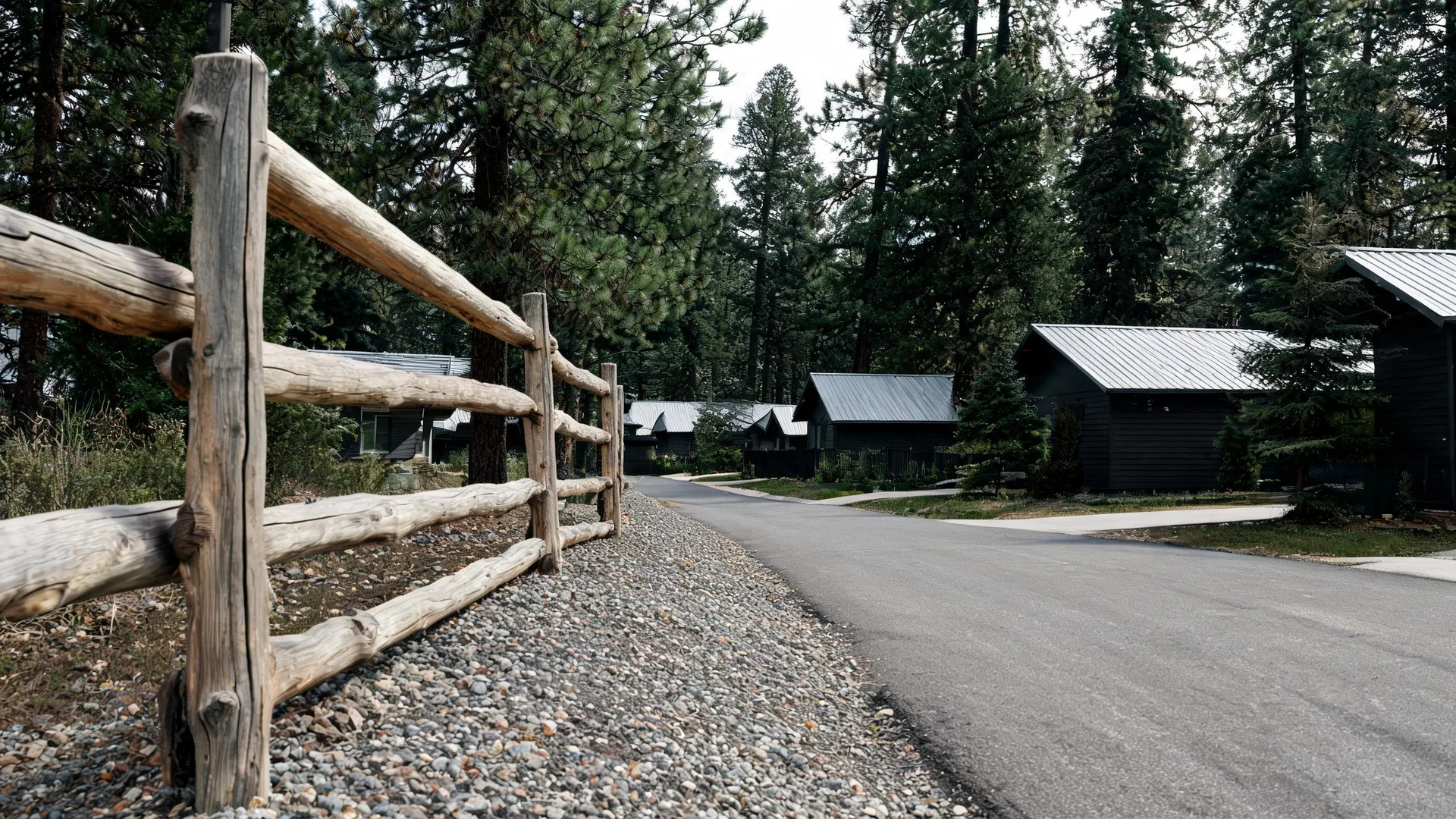



A paved road bordered by gravel and a weathered split-rail log fence curves past dark-sided cabins with metal roofs among tall conifer trees.

Furnace Repair in Garden City, UT

Tell us about the job

Takes about a minute. No obligation.

RepairFurnace or heatingRich County, UT
Step 1 of 2

What ZIP code is the job in?

Furnaces in Garden City run from September clear through June. That's ten months of the year the burner and blower are cycling on. Overnight lows average 11°F in December and January, so on the cold nights the furnace isn't just running more often, it's running longer each time to keep up. That kind of workload wears on an igniter or a blower motor faster than you'd expect. If something's acting up now, it's worth finding out exactly what's worn before paying to fix it.

10 months
September through June, your furnace is on duty
11°F
the average winter night it heats against
43 winter storms
in ten years, the nights a failure hurts most
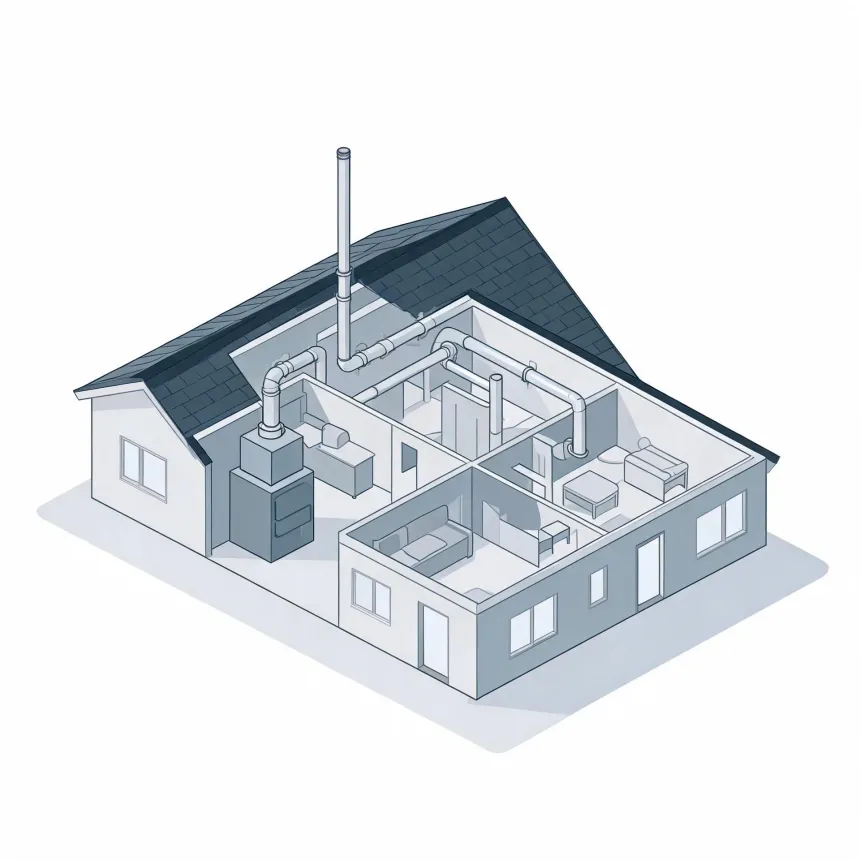
Isometric cutaway illustration of a single-story house showing interior rooms with furniture, a furnace unit connected to ductwork and a tall flue pipe extending through the roof.
Your furnace works hardest from October through April.

NOAA nClimDiv, 1991–2020 normals

Half the homes in Rich County were built in 1992 or later.

A furnace that came with a newer house still has working life in it, so repair is usually the right call.

August is the month to catch what June left weak

Heat runs September through June
Winter nights average 11°F
Climate zone 6B

A furnace that short cycles or blows cool air before it hits temperature is a furnace working past what the burner or blower can keep up with. On a night near 11°F, that fault doesn't wait until morning. A tech can pull the panel and check the igniter, the flame sensor, and the blower motor against what they should read, not just whether the furnace fires. That tells you if the part is actually failing or if something else, like a clogged filter or a bad thermostat signal, is making it work harder than it needs to. Knowing which one it is before any part gets replaced is what makes the repair hold.

Find out what it needs before you replace it

If the furnace came with the house, get a repair quote before a replacement quote. A newer furnace still has working life in it, even one that's been working harder than most.

Find a contractor
A man in a gray shirt and tan pants carries a worn canvas tool bag up porch steps toward a dark blue paneled front door, with a potted shrub beside the entry.
A gray gas furnace with attached ductwork and piping installed in an unfinished concrete basement.

The furnace tells you before it fails

A furnace gives warning before it quits outright. Short cycling, running a short while then shutting off, points to a flame sensor that's not reading the flame right, or a filter so clogged the furnace overheats and trips its limit switch. A burner that won't light on the first try usually means a weak igniter losing its ability to get hot enough. Air that runs cool before it warms up often traces back to the blower running at the wrong speed, or a delay in the gas valve opening. Banging or popping from the ducts when the furnace first kicks on is usually metal expanding against a dirty burner, not something structural. A furnace that runs longer and longer to hit the same temperature is losing ground somewhere in that chain, and the part behind it is rarely obvious until someone checks it directly.

What you can check yourself

Look at the filter first and swap it if it's gray or caked. Make sure the thermostat is set to heat and the temperature is actually above room level. Check that the furnace switch, the one that looks like a light switch near the unit, hasn't been bumped off. Look at the breaker for the furnace and reset it once if it's tripped. These take a few minutes and rule out the simplest causes before anyone opens a panel.
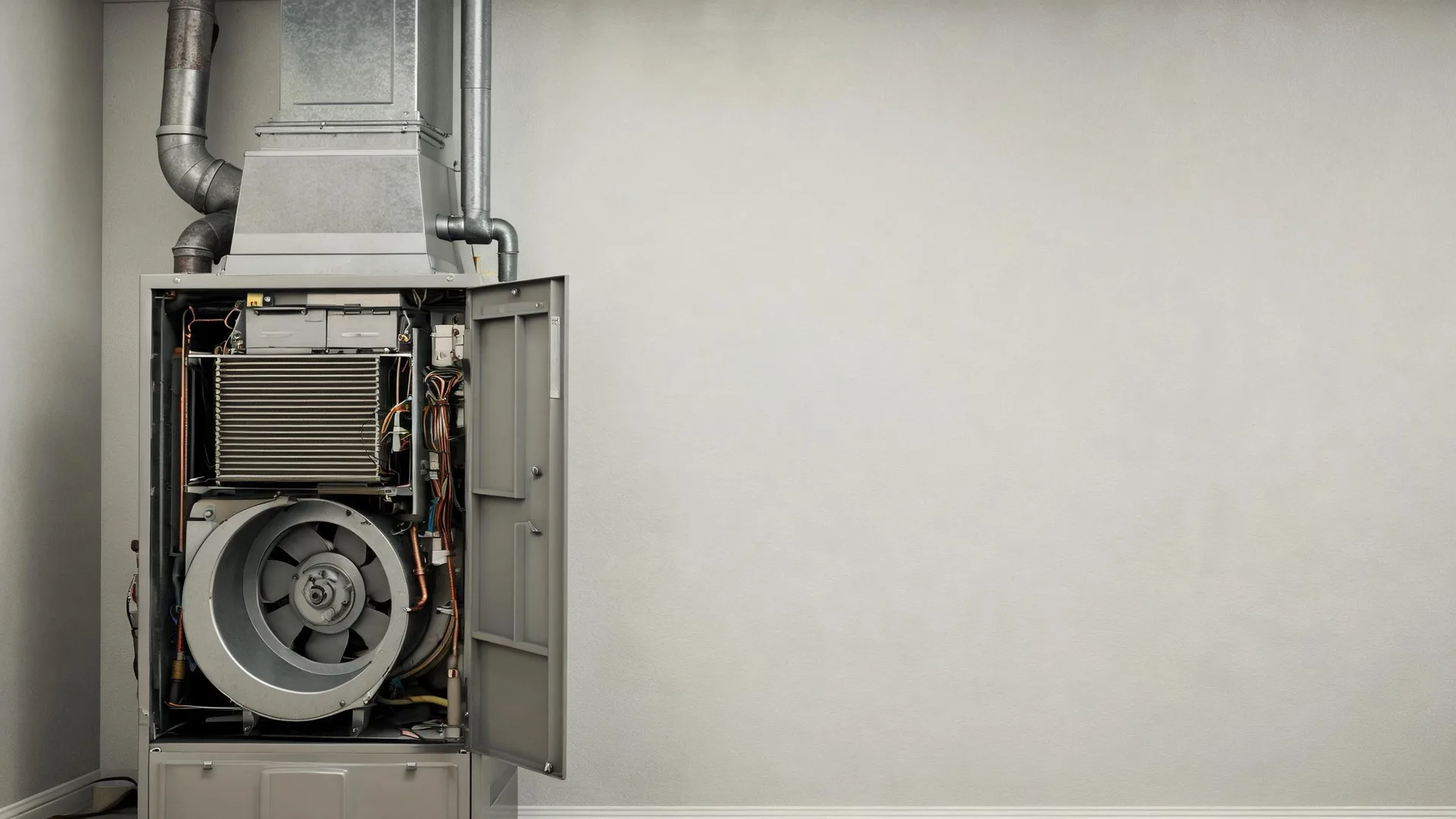
What to leave alone

Don't pull the burner access panel or reach near the flame sensor and igniter. Those parts are wired into the gas valve and control board, and handling them wrong can knock a reading off or leave a connection loose. If the furnace smells like gas, don't flip any switches at all. Get everyone out and call the gas company from outside the house, then get a tech out after.

A cracked heat exchanger starts as a hairline nobody can hear. Keep the furnace running on it and the metal keeps flexing with every cycle, and that crack opens wider. A flame sensor that's barely reading the flame will let the furnace shut off early at first, then not light at all, and each lockout cycle adds wear to the igniter trying to recover it. A blower motor running on a failing bearing doesn't fail all at once either. It runs hotter, pulls harder, and eventually seizes, and a seized blower can take the limit switch or the control board down with it. None of that argues for shutting the furnace off and waiting. It argues for getting the actual fault found while it's still one worn part instead of a chain of them.

A diagnostic visit starts before the panel ever comes off. A tech runs the furnace through a full cycle, start to shutdown, and watches how it behaves rather than just whether it turns on. They'll check gas pressure at the valve, measure temperature rise across the heat exchanger, and look at amp draw on the blower motor against what that motor is rated for. Each of those readings either falls in range or it doesn't, and that's what points to the actual failing part instead of a guess. A visual check alone can miss a motor that's drawing too hard or a heat exchanger that's cracked but still sealed enough to pass air. The readings are what turn a hunch into a fix that holds.