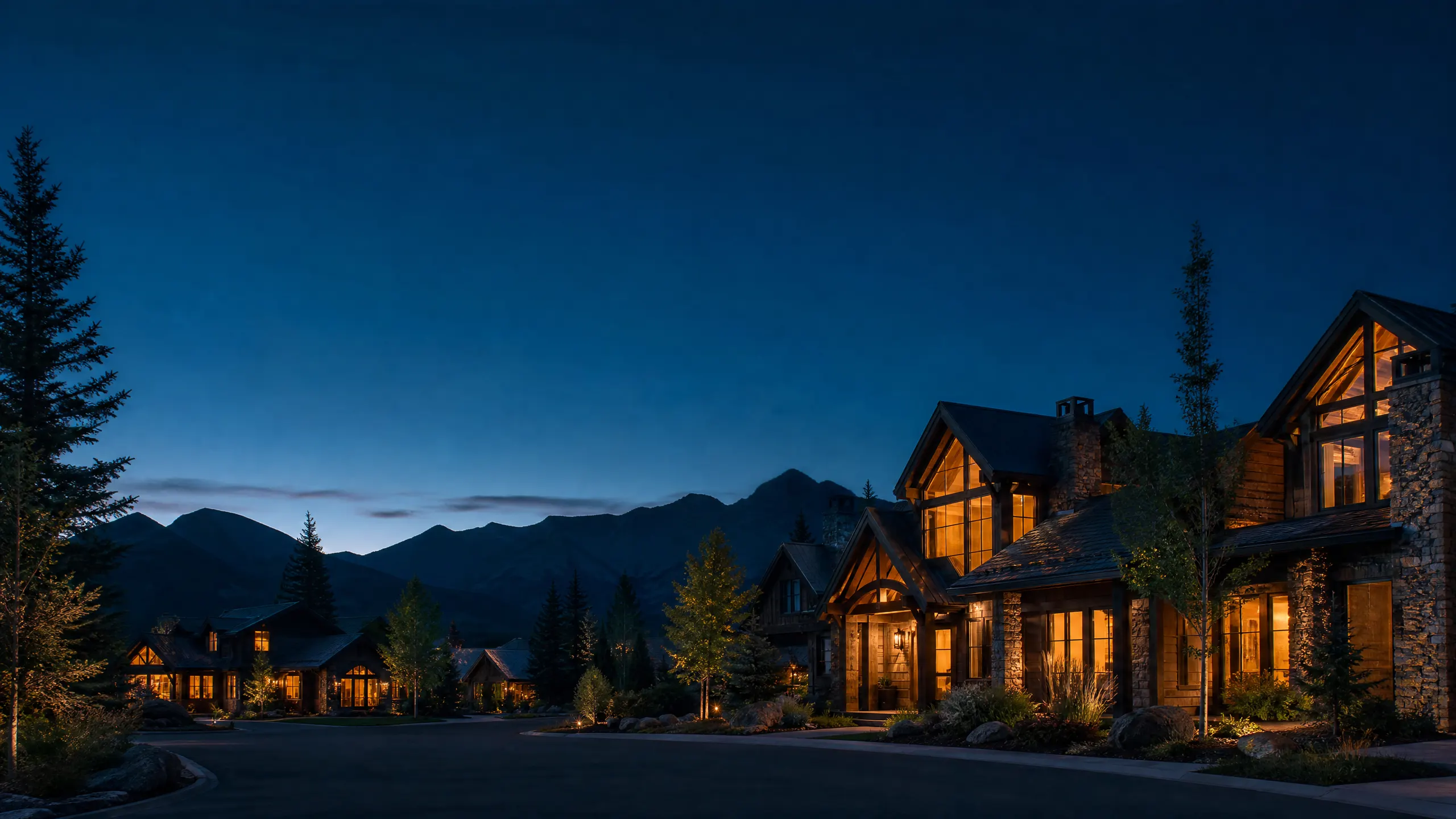
Illuminated stone-and-timber mountain homes line a quiet street at dusk, with evergreen trees and a mountain range in the background.

Furnace Repair in Provo, UT

Tell us about the job

Takes about a minute. No obligation.

RepairFurnace or heatingUtah County, UT
Step 1 of 2

What ZIP code is the job in?

How old the furnace is matters less than how it's failing

A cracked heat exchanger or a failing control board on an older furnace usually means replacement makes more sense than another repair. But a bad igniter or a stuck flame sensor is a quick, cheap fix on a furnace of any age. The question is what's actually broken, not just how many winters it's seen.


A furnace that keeps coming back is telling you something

One repair is just a repair. But if the same furnace needs a tech out every winter, or if one part failing seems to take another down with it, that pattern usually means the unit is wearing out all over, not just in the one spot getting fixed.

9 months
September through May, your furnace is on duty
18°F
the average winter night it heats against
81%
of homes here heat with gas, so most furnaces here burn gas
80 winter storms
in ten years, the nights a failure hurts most
Isometric cutaway illustration of a single-story house with a dark shingled roof, showing interior rooms with furniture and a furnace connected to ductwork and a flue pipe extending above the roof.
Your furnace works hardest from November through April.

NOAA nClimDiv, 1991–2020 normals

A furnace that short cycles, turning on and off every few minutes, is usually fighting a dirty flame sensor or a clogged filter choking airflow.

Either one is worth a service call before the blower motor or heat exchanger starts taking the strain instead.

Half the furnaces in Provo are younger than the house next door's roof

Half the homes here were built by 2001
Heat runs September through May
Winter nights average 18°F
Provo furnaces don't fail for strange reasonsGas here runs $12.55 per million Btu, so a furnace that's struggling usually just needs the common fix.

Furnace in Provo starts earning its keep in September and keeps running clear through May. That's nine months of the year leaning on the same igniter, the same blower motor, the same flame sensor. August is the last quiet month before it starts up again, and it's the best time to find out if something's already weak. Most breakdowns don't happen in the easy middle of the season. They happen in the first cold snap, when a part that was barely getting by all summer suddenly has to work full tilt.

Your furnace has been working hard. Find out what's actually wrong with it.

Nine months of heat a year, nights down near 18°F, and a winter that's brought snow or ice 80 times in the last decade. That's a lot of hours on one igniter and one blower motor. If yours is acting up, get the actual cause checked before you decide it's a quick fix or a bigger one.

Find a contractor
A man in a cap, dark shirt and tan pants, seen from behind carrying a canvas bag, climbs wooden porch steps toward a blue front door beside a potted evergreen.
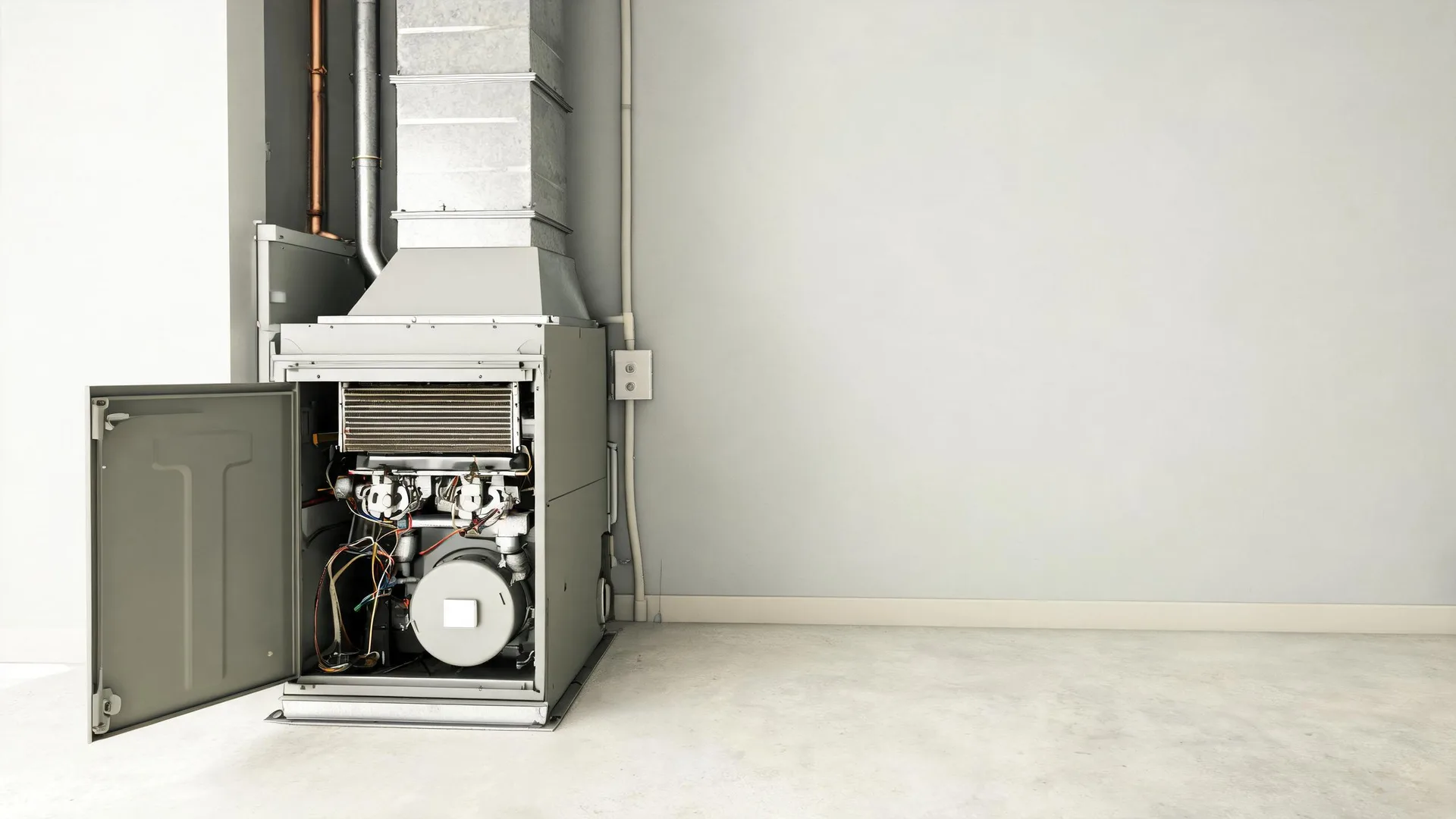
A gray gas furnace with attached ductwork and piping installed in an unfinished concrete basement.

A newer house usually means a furnace worth fixing

Half the houses in Utah County were built in 2001 or later. If your furnace came with a newer house like that, it's probably not the reason for the trouble. Call a tech out to find the actual part that's failing before you assume the whole unit needs to go.

A cracked heat exchanger gets worse every time it fires

Metal that's already split flexes more under heat, not less. Each cycle widens the crack a little further. A furnace in that state can still blow warm air, which is exactly why people keep running it instead of shutting it down.

A weak blower motor drags the parts around it down too

When the blower can't move enough air, heat builds up inside the cabinet instead of going down the ducts. That extra heat is what finally cooks a control board or warps a heat exchanger that was otherwise fine. The motor fails quietly. What it takes down with it doesn't.

An unfinished basement featuring a grey forced-air furnace with metal ductwork, concrete block walls, exposed wooden joists, and a single hanging bare bulb.

A new furnace would cut about $120 a year off heating for a typical Utah County home.

  • A new high-efficiency furnace$490 a year
  • An older furnace$610 a year

Estimates for a typical Utah County home, compared with an older unit built to the previous federal minimum, from EIA household energy data, Utah fuel prices and NOAA climate normals. Your home will differ.

Repair makes sense when one part has failed and the heat exchanger is sound.

Replacement makes sense when the heat exchanger is cracked or the furnace keeps needing parts.

A diagnostic visit starts before any panel comes off. A tech asks what the furnace is doing, when it started, and whether it's one symptom or a few. Then the cover comes off and the furnace runs a full cycle while the tech watches it. Ignition, the blower kicking on, the shape and color of the flame, how long before it shuts off. A multimeter checks the flame sensor and igniter against what they should read, not just whether they look dirty or worn. Static pressure gets checked too, since a clogged filter or a blocked duct can look exactly like a failing blower motor. The goal is to find the part actually causing the symptom, not just the first thing that looks old.