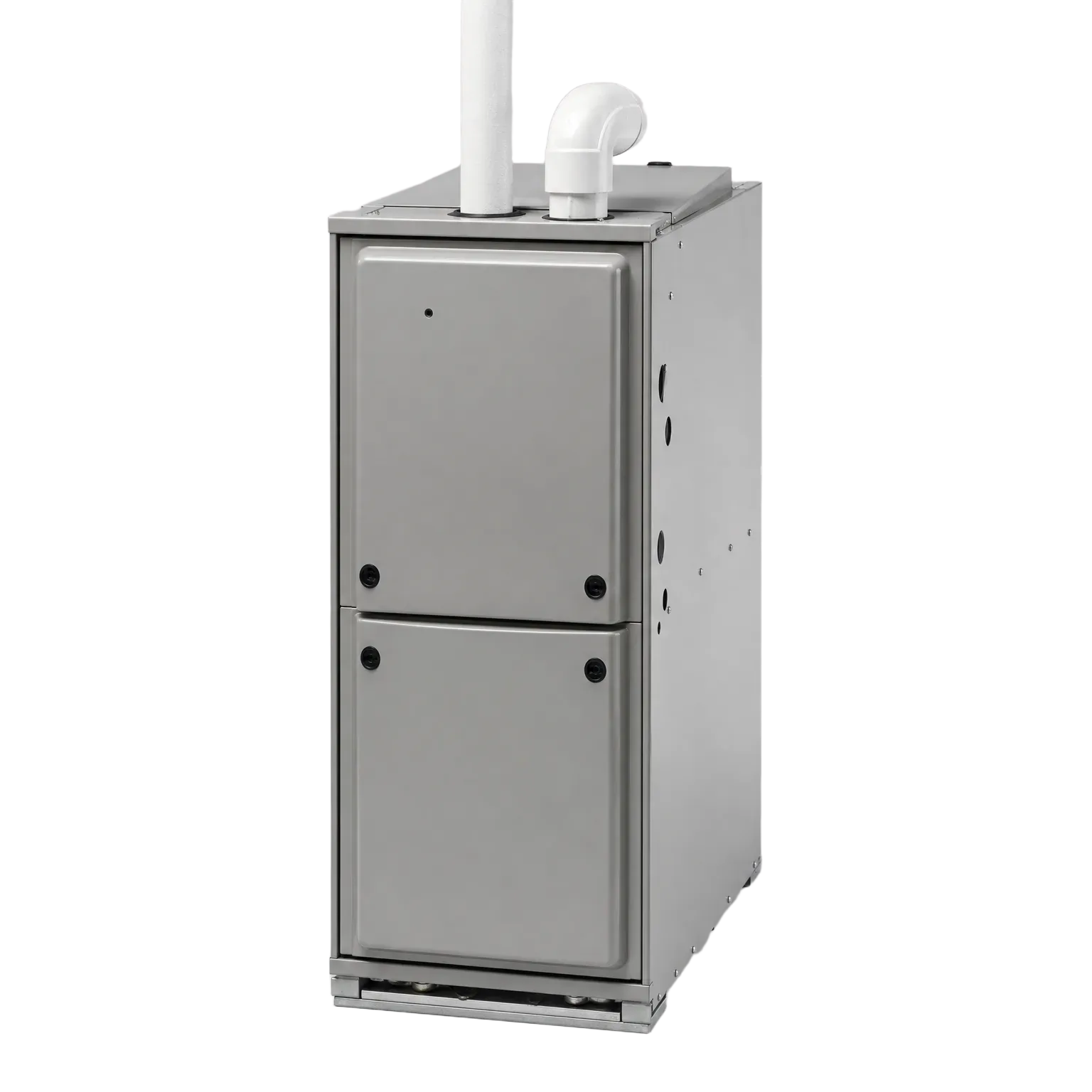
Burners lit, draft proven
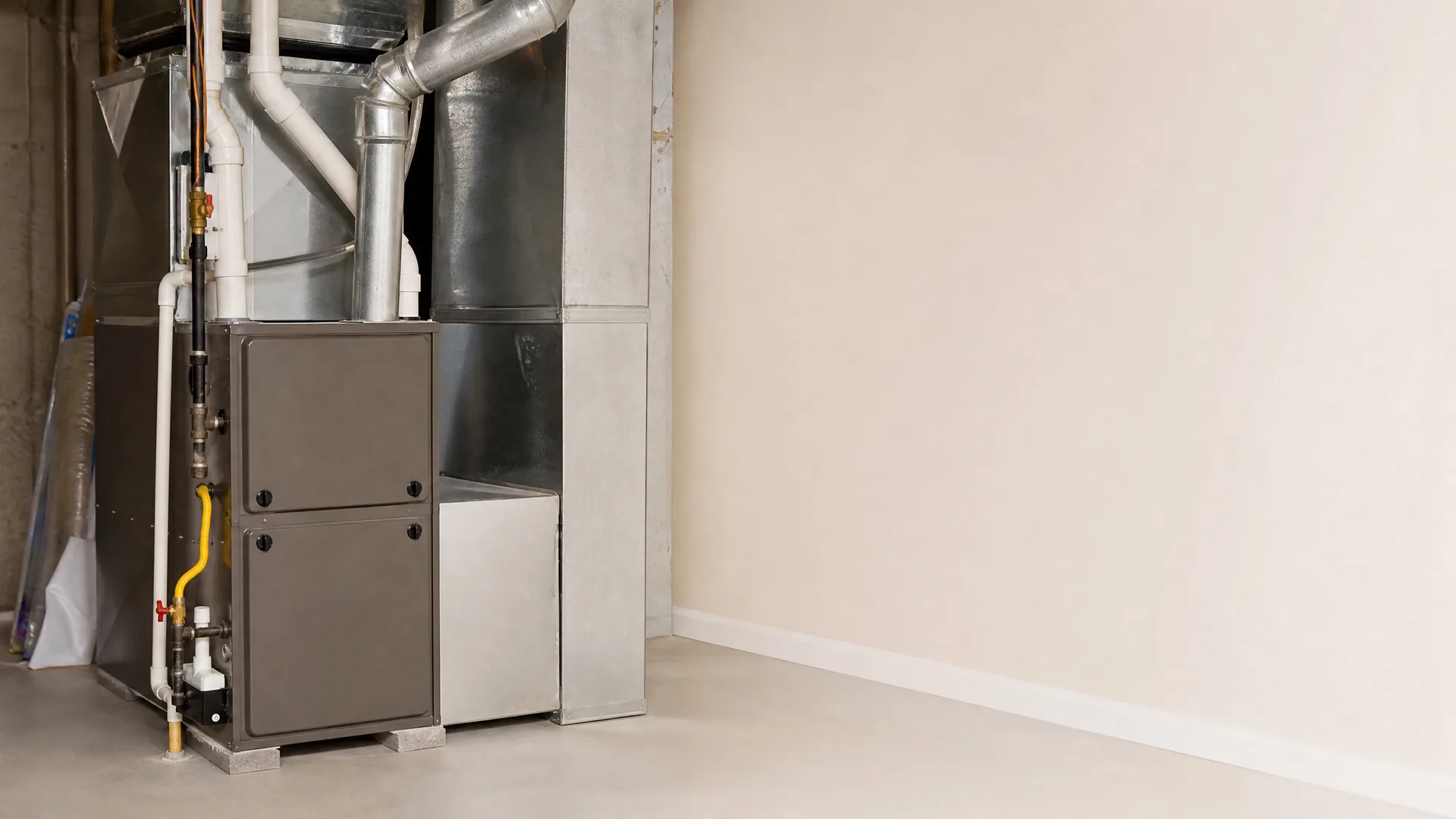
This is a furnace holding its cycle the way it should. The inducer clears the heat exchanger, the burners catch, and warm air reaches the vents within a minute or two. Nothing here is fighting to stay running.
Done looking for a furnace pro
Cold air coming out of the vents when the furnace is running usually means one of a few things: a pilot or igniter that won't stay lit, a thermostat set wrong, or a blower that's moving air before the burners catch up. This page walks through what causes each one. Send the form and let someone local who works on Provo furnaces take it from here.
Hand it offCold air blowing from your vents usually means the furnace is running but the burners aren't lighting, or they're shutting off right after they do. A furnace this far into a Utah winter works hard, and a dirty flame sensor or a failing igniter will stop the burners from staying lit even though the blower keeps pushing air through the house. Sometimes it's simpler: the thermostat fan is set to "on" instead of "auto," so air moves constantly whether or not the burners are firing. Check that first. If the fan is set right and you're still getting cold air, the furnace is likely starting its heating cycle and failing partway through it, which can come from a clogged filter, a cracked heat exchanger, or a gas supply problem. None of these clear up on their own, and running the system while it's misfiring can wear on parts that aren't cheap to replace. A furnace technician can tell you which one it is in a single visit.


Heat doesn't start the moment the thermostat calls for it. The inducer motor kicks on first and clears the heat exchanger before anything lights, which is why you hear the furnace running before you feel warm air. Once that draft is confirmed, the igniter or pilot lights the burners, and gas keeps flowing as long as a flame sensor can see a steady flame. The blower waits too. It holds off until the heat exchanger is actually warm, often thirty to ninety seconds in, so there's a built-in delay before any air moves at all. The trouble starts when something breaks that chain partway through. A flame sensor dirty enough to misread the flame will cut the gas even after a successful light. A weak igniter can glow and never get hot enough to light anything. Either way, the blower doesn't know the burners failed. It keeps pushing whatever air is already in the ducts into your rooms, and that's the cold air coming through the vents.


A furnace that short cycles on a failed ignition will often still blow air for the full length of the fan's run, since the blower follows its own timer and doesn't know the burners never lit.
That's why a furnace can seem to run fine, cycling on and off like always, while every cycle sends out air that never got heated at all.
Winter nights average 18°F
Overnight lows average 18°F here in December and January. When the burners won't stay lit, that's the air actually coming through the vents.
Heat runs September through May
Heat runs here from September through May. A furnace blowing cold has that many months to act up, not just a few weeks in deep winter.
80.5% of homes heat with gas
80.5% of homes in Utah County heat with gas, so a bad igniter or flame sensor is the usual reason, not something wrong with the ductwork or wiring.
NOAA nClimDiv 1991-2020 · ACS 2020-2024


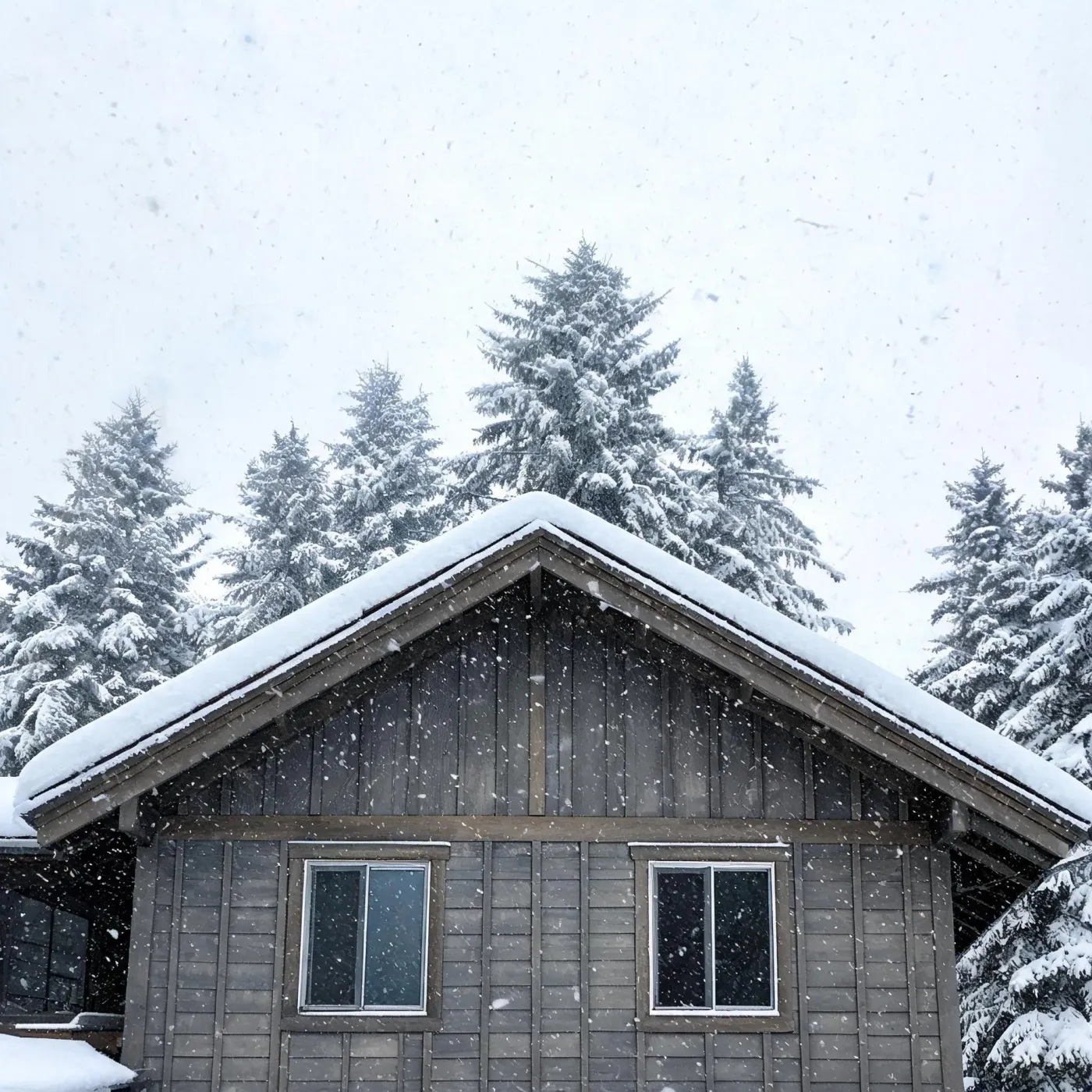
Utah County's overnight lows average 18°F across December, January and February, per NOAA climate data. That's the air moving through your ducts if the burners drop out partway through a cycle. A furnace built for this doesn't just take the chill off, it has to recover a house that's lost real heat overnight. When the igniter fails or the flame sensor's gone dirty, the blower keeps running on schedule, pushing that 18-degree air straight into the rooms where people are sitting. You'll notice it fastest in the room furthest from the furnace. Once you send in what's going on, you're done chasing it down. A local contractor who works furnaces through winters like this one takes it from there.
NOAA nClimDiv 1991-2020
A licensed pro who repairs furnaces in Utah County gets your request.
You're not committing to anything by asking.
The air at the vent goes cool while the blower keeps running. Rooms farthest from the furnace lose ground first, usually a bedroom down the hall or a room over the garage. If you've got a baby or an older parent in the house, their room is often the one that tells you something's wrong before the thermostat does. The furnace may still click on and run its full cycle. It just isn't putting out heat while it does it.
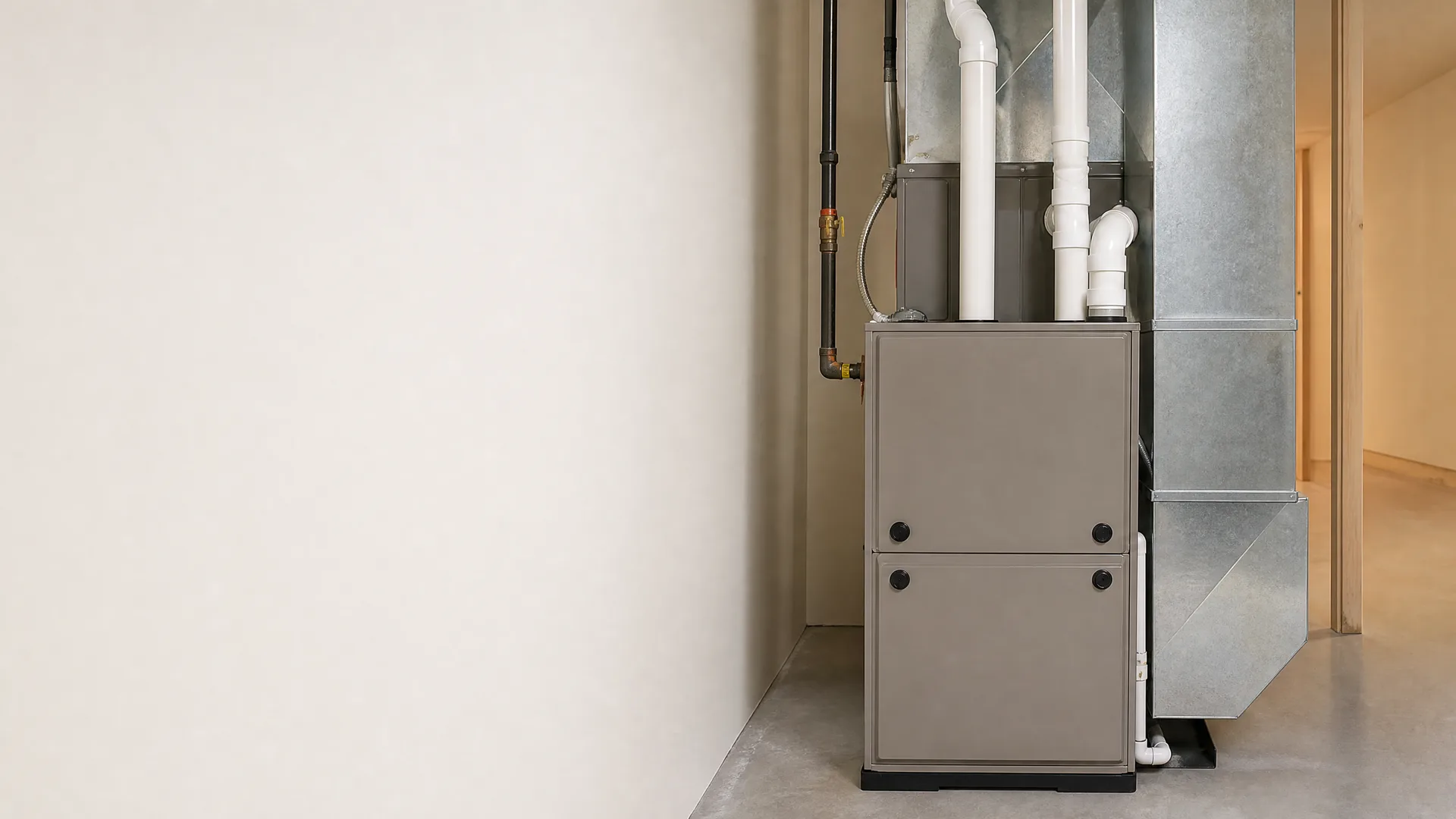
At 18°F outside, a house loses heat fast once the burners quit lighting. The thermostat keeps calling, the blower keeps moving air, and the gas meter keeps turning, but the rooms don't warm up. Pipes along outside walls are the first real risk if this goes on more than a night. A furnace that's only moving cold air isn't resting, it's running up the bill while the house keeps cooling.
You set the thermostat to 70 and the display says it's calling for heat, but the air at the vent stays cool to the hand. The furnace cycles on, runs a while, shuts off, and the house never quite catches up. You might hear the blower kick on without the usual whoosh of warm air behind it, or notice the burner flame looks weak or orange instead of steady blue through the sight glass. Rooms at the end of the ductwork go first, so a back bedroom or a room over the garage can sit several degrees colder than the hallway. With lows in the high teens most winter nights here, a furnace that won't hold ignition can leave a house losing ground faster than it gains it back.

This is a furnace holding its cycle the way it should. The inducer clears the heat exchanger, the burners catch, and warm air reaches the vents within a minute or two. Nothing here is fighting to stay running.

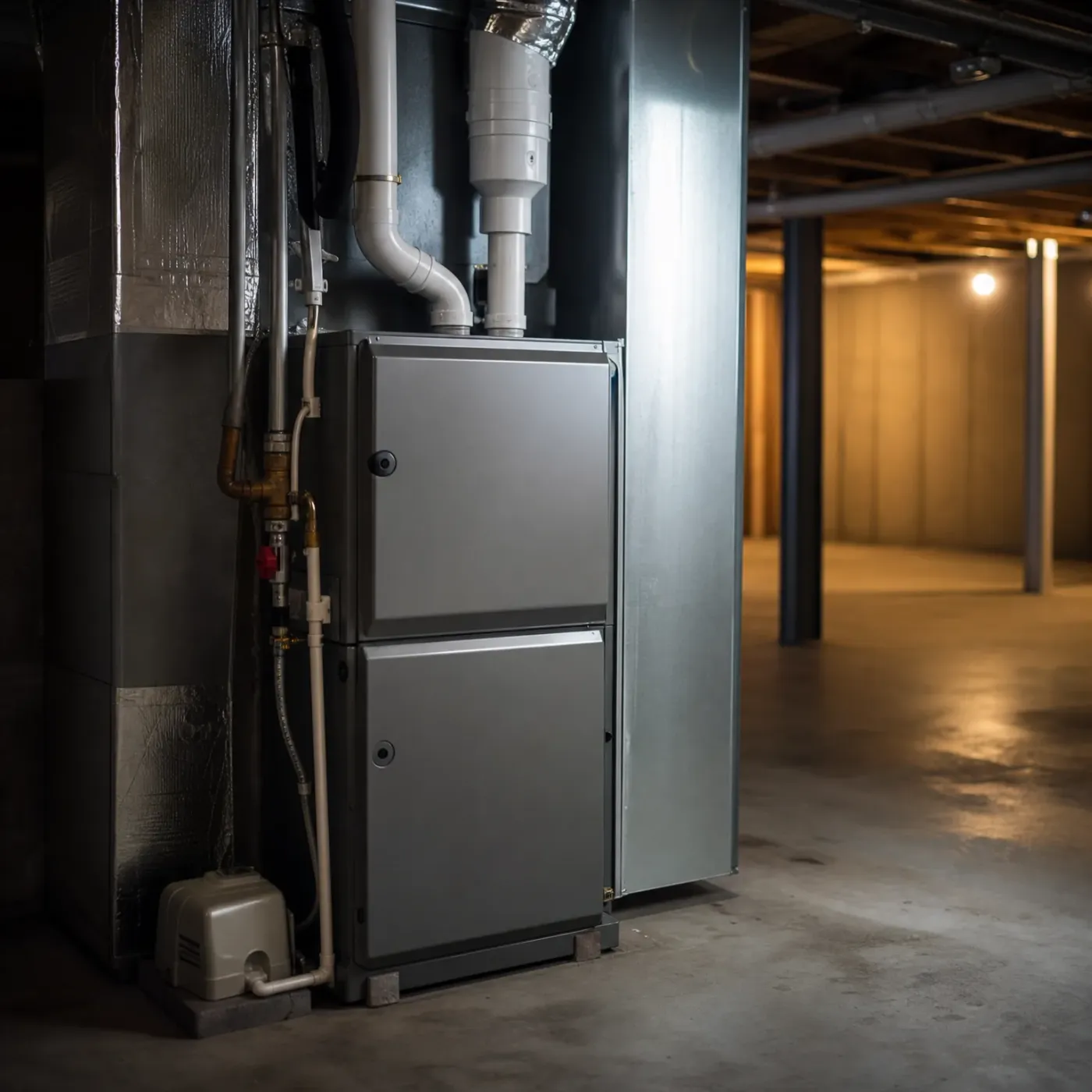
An older furnace like this is more likely to drop ignition before the cycle finishes. The blower keeps moving air on its own timer, so the vents still blow, but what's coming through hasn't been heated.
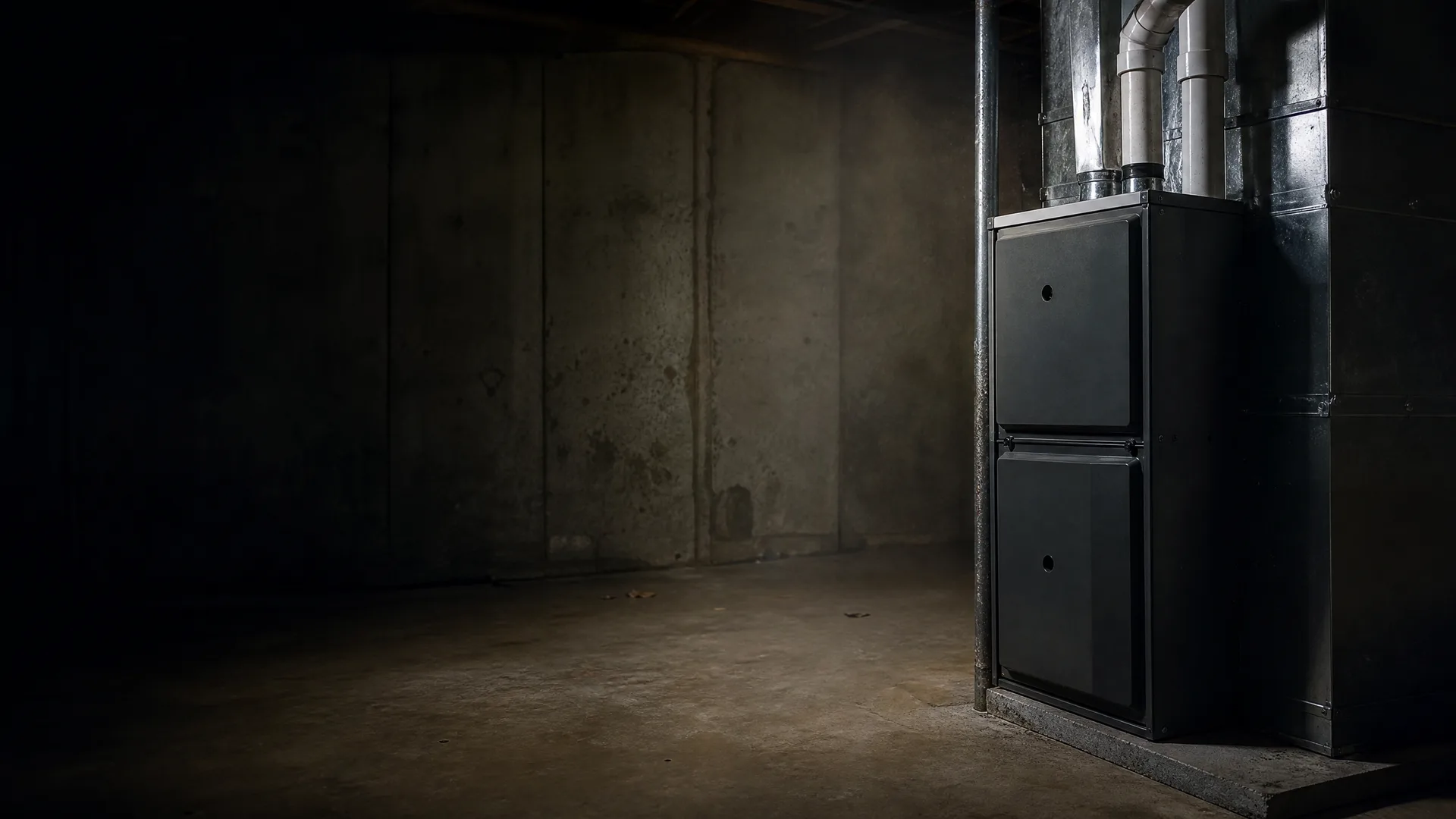
The thermostat reads 70 but you can feel it isn't. It's a little past six, already dark out, and you go down to the basement to check on the furnace. The burners are out. No sound from them, no orange glow through the sight glass, just the blower pushing air that never got warm. A thin haze of dust hangs in the beam of the bare bulb, stirred up by the vent nearby. Outside it's already dropped into the teens, the kind of November evening that turns into a long one if this doesn't sort itself out. You crouch down and put a hand near the vent anyway, already knowing what you'll feel.
At 18°F, a furnace losing ignition partway through a cycle isn't blowing cool air, it's blowing outside air straight into the house. There's no margin for a burner that won't stay lit on a night like that.
NOAA nClimDiv 1991-2020
A furnace blowing cold air is almost never the thermostat. It's the burners, either failing to light or dropping out partway through the cycle while the blower keeps moving air on its own schedule. A flame sensor coated in residue, an igniter that's gone weak, or a draft the inducer can't prove will all end the same way, with the blower running and nothing behind it to warm what it's pushing. That's why the vents can feel fine for a stretch, then turn cold, then warm again on the next cycle. It's not random. It's the same failure repeating until the part causing it gets replaced. You'll feel it first in the rooms farthest from the furnace, a bedroom at the end of the hall, a room over the garage, since those are the last to get warm air and the first to lose it. With overnight lows near 18°F through December and January, there's not much difference between that failure and opening a window. The furnace isn't just underperforming at that point. It's moving outside air through your ducts and calling it heat. None of this clears up by waiting it out or bumping the thermostat higher. The part that's failing stays failed until a contractor gets eyes on it, and every cycle between now and then is another one the blower runs for nothing.




Hand off the search today
The pro who gets in touch is licensed in Utah and works in Utah County.