Why your furnace is blowing cold air in Utah

RepairFurnace or heatingUtah
Step 1 of 2

What ZIP code is the job in?

A furnace blowing cold air usually means it is stuck on fan only, or it means the burners aren't lighting. Check the thermostat first. If the fan switch is set to "on" instead of "auto", the blower runs all the time, even between heating cycles when no flame is going, and that feels like cold air coming through the vents. If the fan is set right and you're still getting cold air, the furnace itself is failing to ignite. That can be a dirty flame sensor, a bad igniter, or a safety switch shutting the burners down before they start. Winters in Utah get cold enough that a furnace stuck this way is more than an inconvenience, and running the blower on a furnace that isn't heating only pushes cold air through the house. Either way, this is a gas furnace issue that needs a licensed technician to open the cabinet and find which part failed.

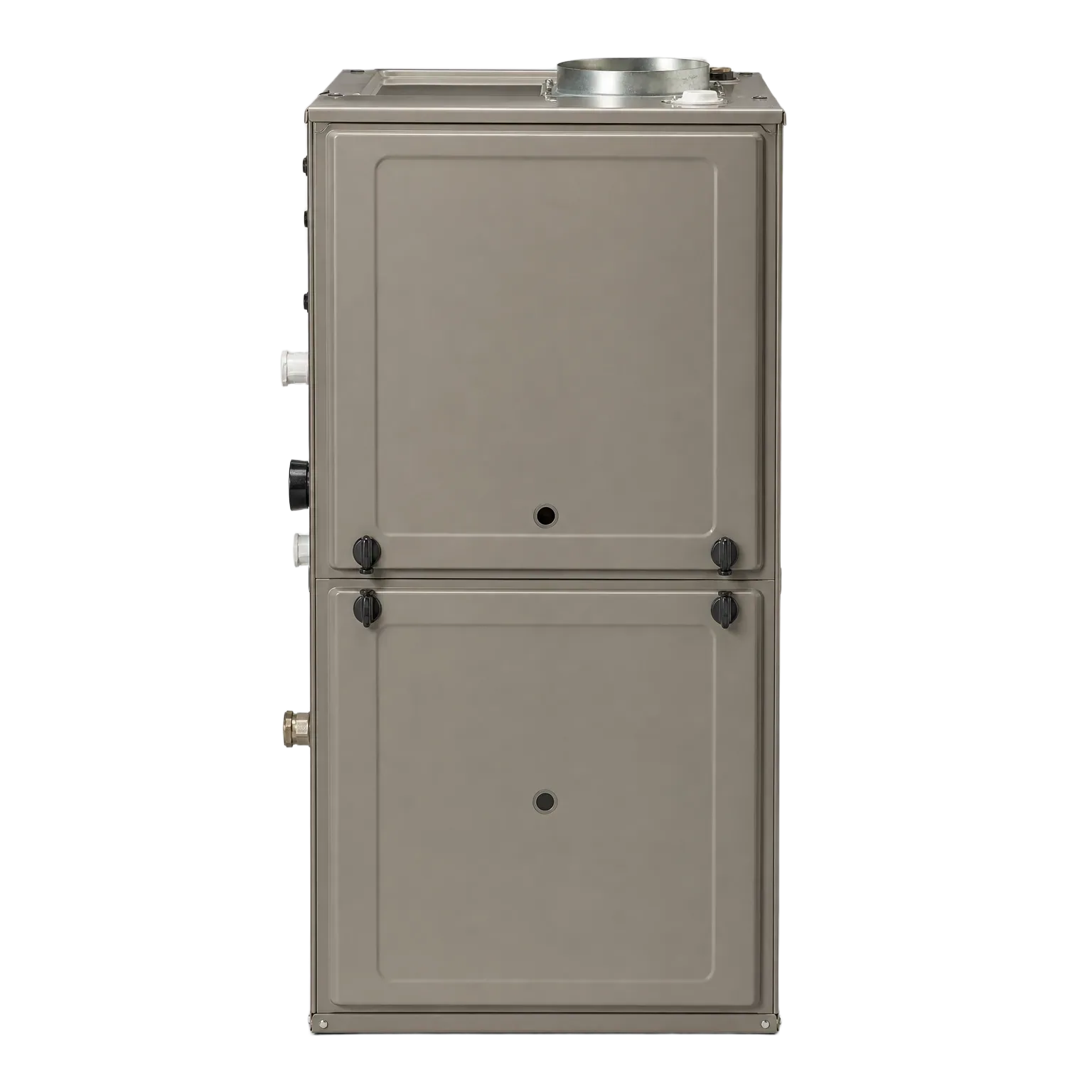
A gray high-efficiency furnace with white PVC venting pipes stands on blocks in a basement next to sheet-metal ductwork, with exposed wood framing on the left and a concrete wall and floor.

Running right

Warm air at the register, a blower that cycles on and off, and burners that light within seconds of the thermostat calling for heat. The flue and condensate lines stay clear, and the furnace shuts off once the house reaches temperature.

An older gas furnace with two white PVC vent pipes stands on a concrete basement floor beside galvanized sheet-metal ductwork, flexible conduit, and piping along a wall.

Stuck on cold air

The blower runs but the burners never light, so air moves without ever warming up. On an older cabinet like this, a failing igniter or a flame sensor coated with residue is often the reason the gas never catches.

A man with greying hair in a dark green sweater sits on a light sofa in a sunlit living room, looking off to the side, with a large window, table lamp, framed art and white built-in shelves behind him.
A gray-haired man in a dark navy sweater sits on a light sofa in a living room, looking toward a sunlit window with a houseplant and wooden cabinet behind him.
A gray-haired man in a dark green ribbed sweater sits on a light sofa in a living room, looking toward a sunlit curtained window with a potted plant and lamp nearby.
A middle-aged man with gray hair and a beard, wearing a dark green sweater, sits on a light sofa in a sunlit living room with large windows, a potted plant, and a dining area in the background.

A gas furnace doesn't just dump gas to the burners and hope. The igniter glows first, and the control board waits until it's hot enough before it opens the gas valve at all. Before that, the inducer motor has to prove it's moving air through the heat exchanger, or the board won't even let the igniter start. Once the valve opens, the flame sensor has a few seconds to confirm a flame is actually burning. If it doesn't see one, the board shuts the valve again, even if gas is reaching the burners. A flame sensor that's picked up a film of dirt can send that same false no-flame signal while the burners are lit, which shuts the system down for no real reason. After enough failed tries, the furnace locks itself out and won't attempt ignition again until you set the thermostat below room temperature and let it reset. The blower runs on its own timer too, separate from the burners, so it keeps moving air for a short while after the flame goes out to clear the last heat from the exchanger.

How a gas furnace lights

  • A gas furnace fires the igniter first, then opens the gas valve only after it senses the igniter is hot enough to light the burners.
  • If the flame sensor doesn't detect a flame within a few seconds of the gas valve opening, the control board shuts the valve and the burners never light.
  • The inducer motor has to prove it's pulling air through the heat exchanger before the control board allows the igniter to glow at all.
  • A cracked or dirty flame sensor reads as no flame even when the burners are lit, so the board shuts things down on a false signal.
  • The blower is on its own delay, so it keeps blowing for a short while after the burners shut off to pull the last of the heat out of the exchanger.
  • A furnace that locks out after several failed ignition attempts needs the thermostat set below room temperature and reset before it will try again.
A beige high-efficiency furnace stands on a concrete basement floor beside sheet-metal ductwork, with white PVC vent pipes, flexible conduit and copper and steel piping running up a concrete wall to an electrical box.
A furnace like this fires on the first call for heat and keeps the air warm until the house hits temperature.
An older gas furnace with a louvered front panel stands on a concrete basement floor beside large sheet-metal ductwork, a metal flue pipe, copper piping and wood framing.
This one has sat unused long enough to collect dust, and a furnace that's gone quiet for a stretch often struggles to relight.
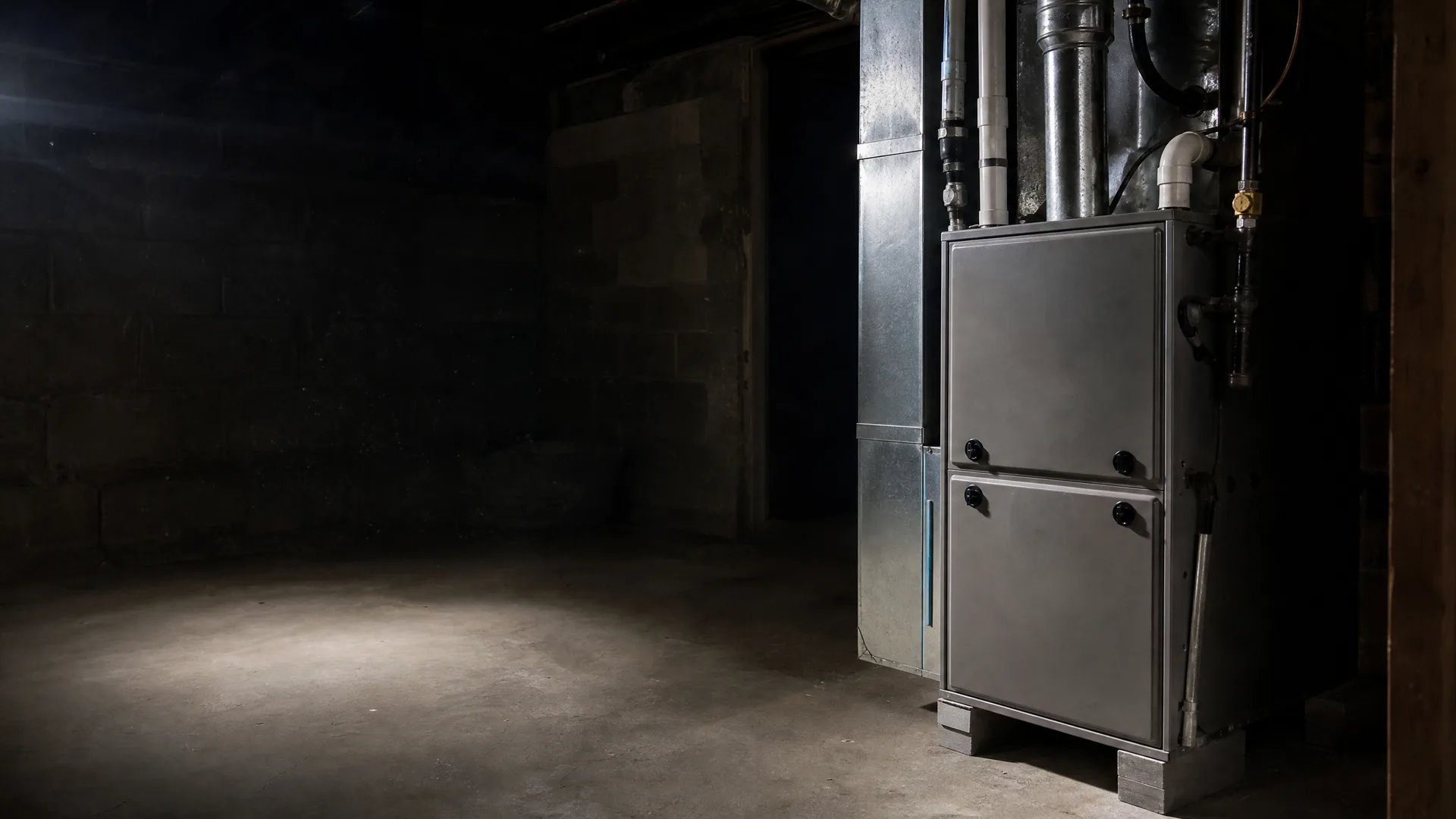
A gray furnace with ductwork and pipes stands against the wall of a dim concrete-block basement with a bare concrete floor lit by a single light.

By six that evening it's dark outside and cold enough that you've had the heat running since afternoon. You head down to the basement to grab something off the shelf and notice it's colder down there than it should be. The furnace sits quiet. No hum, no blower, nothing. You check the vent nearby and feel room-temperature air, maybe less. A thin layer of dust sits along the top of the cabinet, the kind that settles when something hasn't kicked on in a while. Upstairs the thermostat still reads a call for heat. Down here, nothing is answering it. You stand there a second, listening for the click that usually starts things off.

Hand off the search today

The pro who reaches out is licensed in Utah.

There's no charge for the request.

Why the flame sensor matters

The flame sensor is a thin metal rod sitting right in the burner flame. It tells the control board a flame is actually burning, not just that the gas valve opened. A coating of soot or oxidation on that rod can keep it from sensing anything, even with gas flowing and the igniter glowing hot. The board waits a few seconds, sees no signal, and shuts the valve to be safe. That's why a furnace can click and glow and still never put out heat. It's doing its job correctly and shutting itself down on purpose.

What the limit switch protects

The high limit switch sits near the heat exchanger and watches for air that's too hot moving through it. If airflow drops low, maybe a clogged filter or a blocked vent, the air around the exchanger heats up faster than it should. The switch trips and cuts the burners before anything cracks or melts. The blower often keeps running afterward to clear the heat out, which is why you can feel air moving with no warmth in it. Once the filter or blockage is cleared, most limit switches reset on their own and the furnace fires again.

A beige sheet-metal furnace with a louvered upper panel stands on a concrete basement floor, connected to galvanized ductwork, white PVC vent pipes, and a metal gas line with an electrical box.
Before you get your furnace repair
A gray high-efficiency furnace with white PVC vent pipes stands in an unfinished basement beside sheet-metal ductwork, gas piping, and insulated stud walls on a concrete floor.
After you get your furnace repair

Fix it yourself

You can flip the fan switch to auto and check the breaker. Beyond that, opening the burner compartment or the gas valve without training is not worth the risk to you or the furnace.

Get one local pro

Have it looked at

A local contractor who services furnaces all winter can trace a cold-air complaint to its actual cause and get the burners lighting again safely.

Get one local pro

Winter nights average 21°F statewide

At 21°F, a furnace stuck on fan only won't just feel chilly, it'll pull the house down fast, especially overnight when nobody's awake to catch it. That's the range your burners need to be firing reliably, every time the thermostat calls.

NOAA nClimDiv 1991-2020 county normals weighted by homes

  1. Thermostat calls for heat and the control board starts a cycle

  2. Inducer motor runs first to clear the flue of leftover gas

  3. Igniter heats up enough to light the burners

  4. Gas valve opens only after the igniter reaches temperature

What you're noticing around the house right now

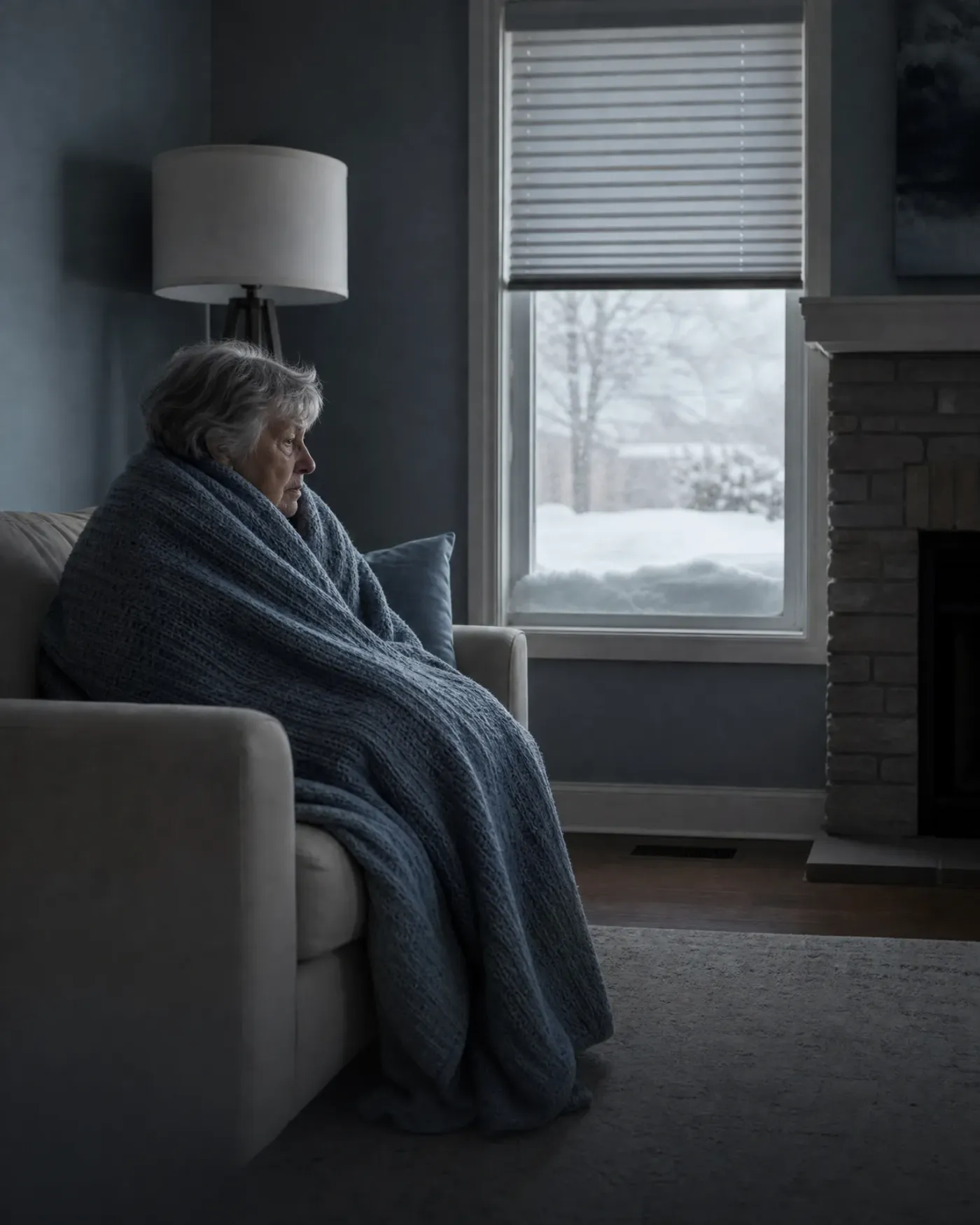
The vents are moving air but it's not warm, or the thermostat says it's running and the house still feels like it's losing ground. Upstairs rooms cool off first. A room over the garage or at the end of a duct run goes cold before the rest of the house does. You might hear the blower running steady with no click of burners lighting, or notice the furnace cycling on and off more than it used to without ever catching up. Overnight is when it shows up worst, since nobody's there to bump the thermostat or notice the dropping temperature until morning. Left alone through a cold stretch, pipes in unheated spaces are what's at risk first.

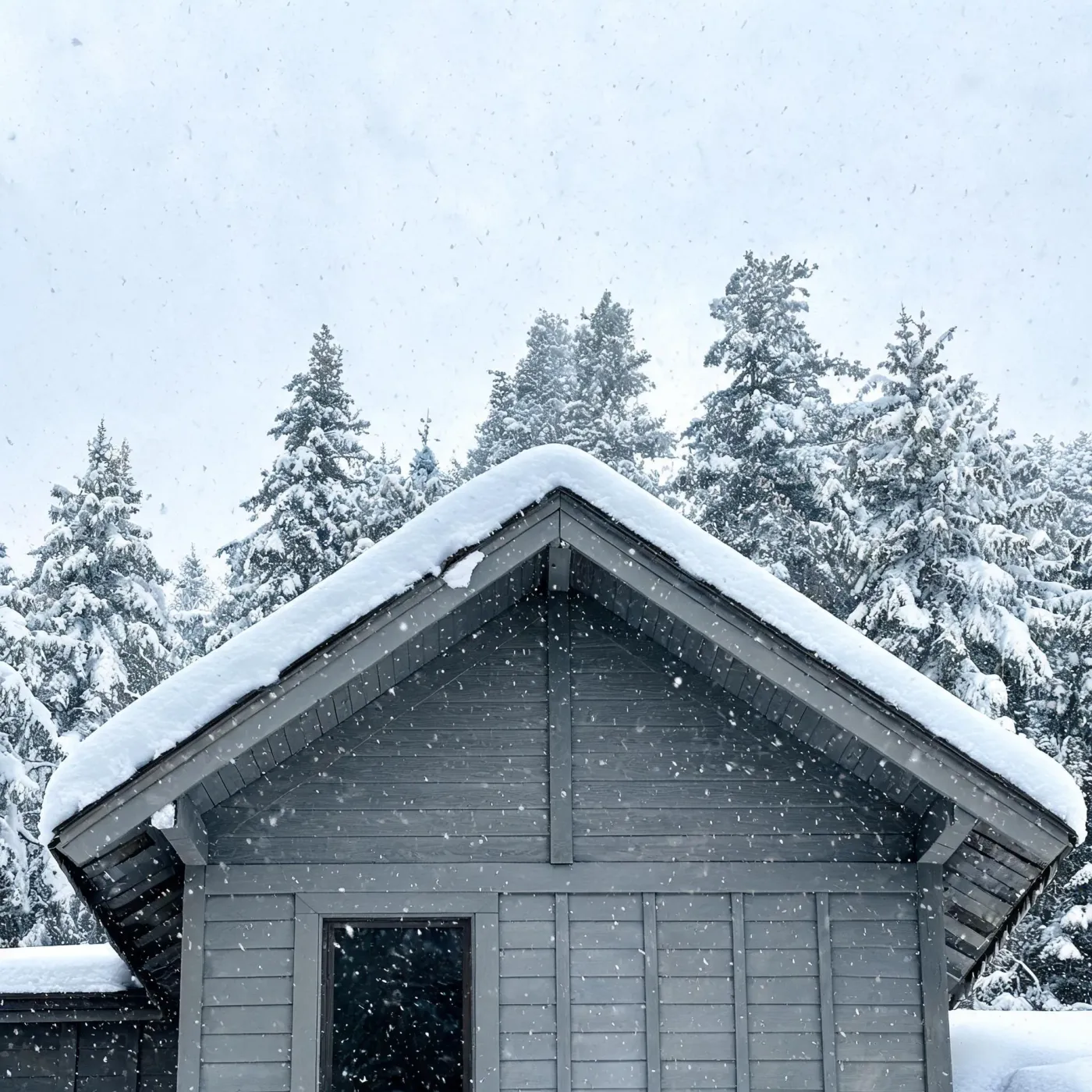
Gable end of a gray wood-clad cabin with a snow-covered roof, falling snowflakes, and snow-laden conifer trees behind it under a pale overcast sky.

Statewide, winter nights average 21°F, according to NOAA climate data. That's the cold your furnace is built to answer every night, not just on the coldest stretch of January. When it's stuck blowing cold air at that temperature, the house doesn't just feel uncomfortable, it loses heat fast, and a few hours of fan-only air at 21°F outside can drop a home several degrees before morning. Pipes in a crawl space or an exterior wall are more exposed too. That's the stake behind a furnace that won't fire right now: not just comfort, but how much ground the house loses before someone catches it.

NOAA nClimDiv 1991-2020 county normals weighted by homes

A gray-haired woman in a white top and gray cardigan sits in an upholstered armchair indoors, looking toward a window with a green potted plant, with a bookshelf behind her.
A woman holds a sleeping boy wrapped in a gray knit blanket on a couch, with a lit table lamp and houseplant blurred in the background.

Cold air, narrowed down

  • A furnace blowing cold air usually comes down to the fan switch, a failed igniter, or a flame sensor that can't confirm the burners are lit.
  • Checking the thermostat fan setting takes a minute and rules out the simplest cause before anything else gets opened up.
  • Past that point, the gas valve, igniter, and flame sensor sit inside the burner compartment, where testing them safely takes someone who does this work.
  • A local contractor who services furnaces through winters here knows which of these parts tends to fail first in this kind of cold.
  • Only one contractor gets your request, so you're dealing with one call back and one visit, not a round of competing bids.
  • Once the right part is found, getting warm air moving again usually comes down to a single repair, not a guessing game.

A furnace blowing cold air is almost always one of three things: a fan switch left on, an igniter that won't heat up, or a flame sensor that can't tell the control board a flame is there. The thermostat check costs you nothing and settles the first possibility in a minute. If the fan is already set to auto and cold air is still coming through the vents, the problem has moved past what you can see from the hallway. The igniter and flame sensor sit inside the burner compartment, behind the gas valve, and testing them means opening up a system that runs on gas and line voltage at once. That's not a place to guess.

Winter nights here average 21°F, and a furnace that won't fire reliably at that temperature needs looking at before the next cold stretch, not after. A local contractor who works on furnaces all winter has usually seen the pattern before, in houses running the same kind of system through the same cold. That familiarity is worth something when the part that failed isn't obvious from the thermostat.

Your request goes to one contractor, not several. That means one call back, one visit, and someone who can speak to your specific furnace rather than a general case. Once they find the part that's actually failed, whether it's the igniter, the sensor, or something upstream of both, getting warm air moving again is usually a straightforward repair rather than a drawn-out process.

Corner of a room with a white window at left, a white fireplace mantel with dark stone surround at right holding a weathered clay vase of leafy branches, and a cream upholstered sofa with a knit throw and tan pillow in the foreground.
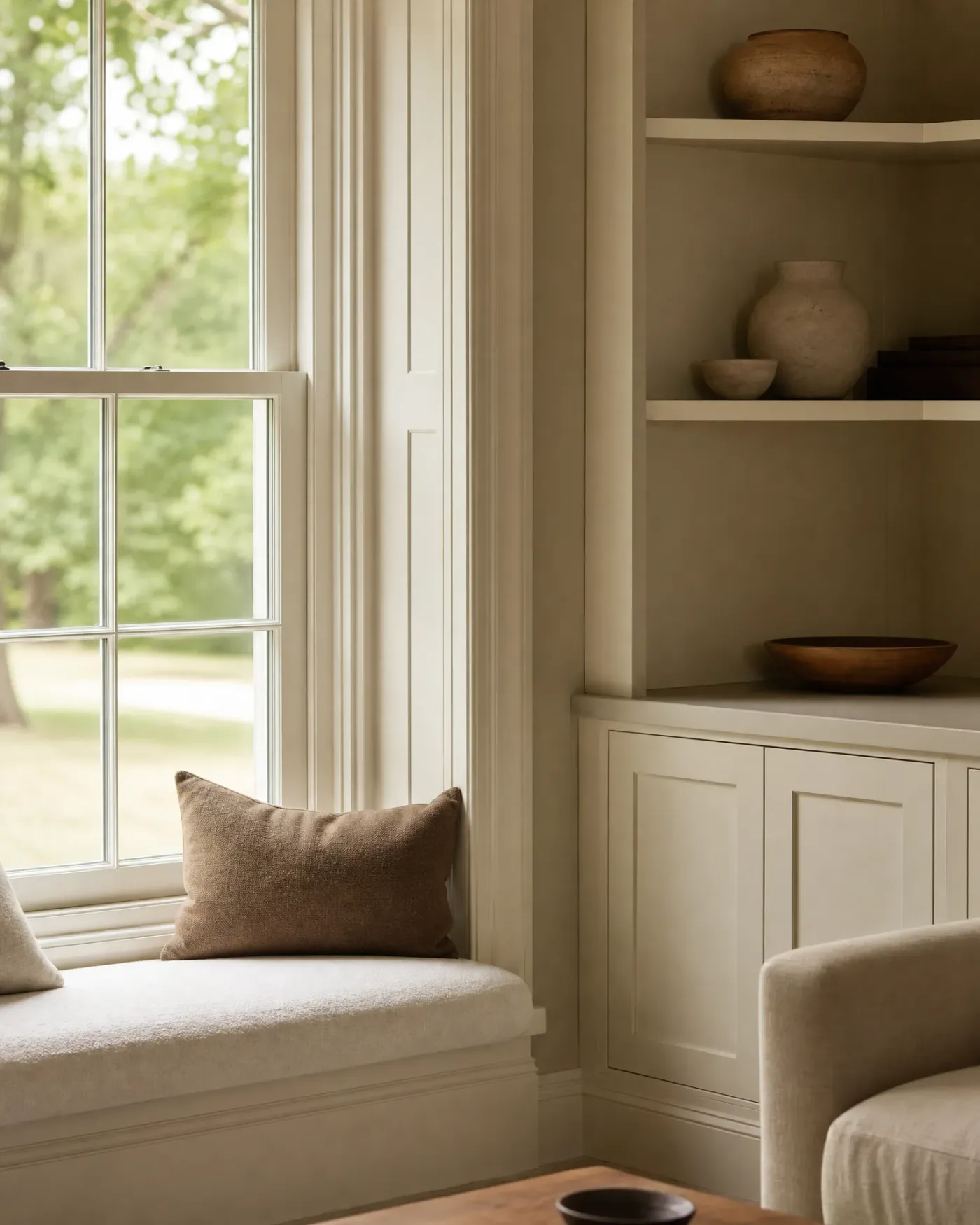
A cushioned window seat with a brown lumbar pillow beside a white-framed window overlooking green trees, next to built-in cream cabinetry with shelves holding ceramic vessels and a wooden bowl.
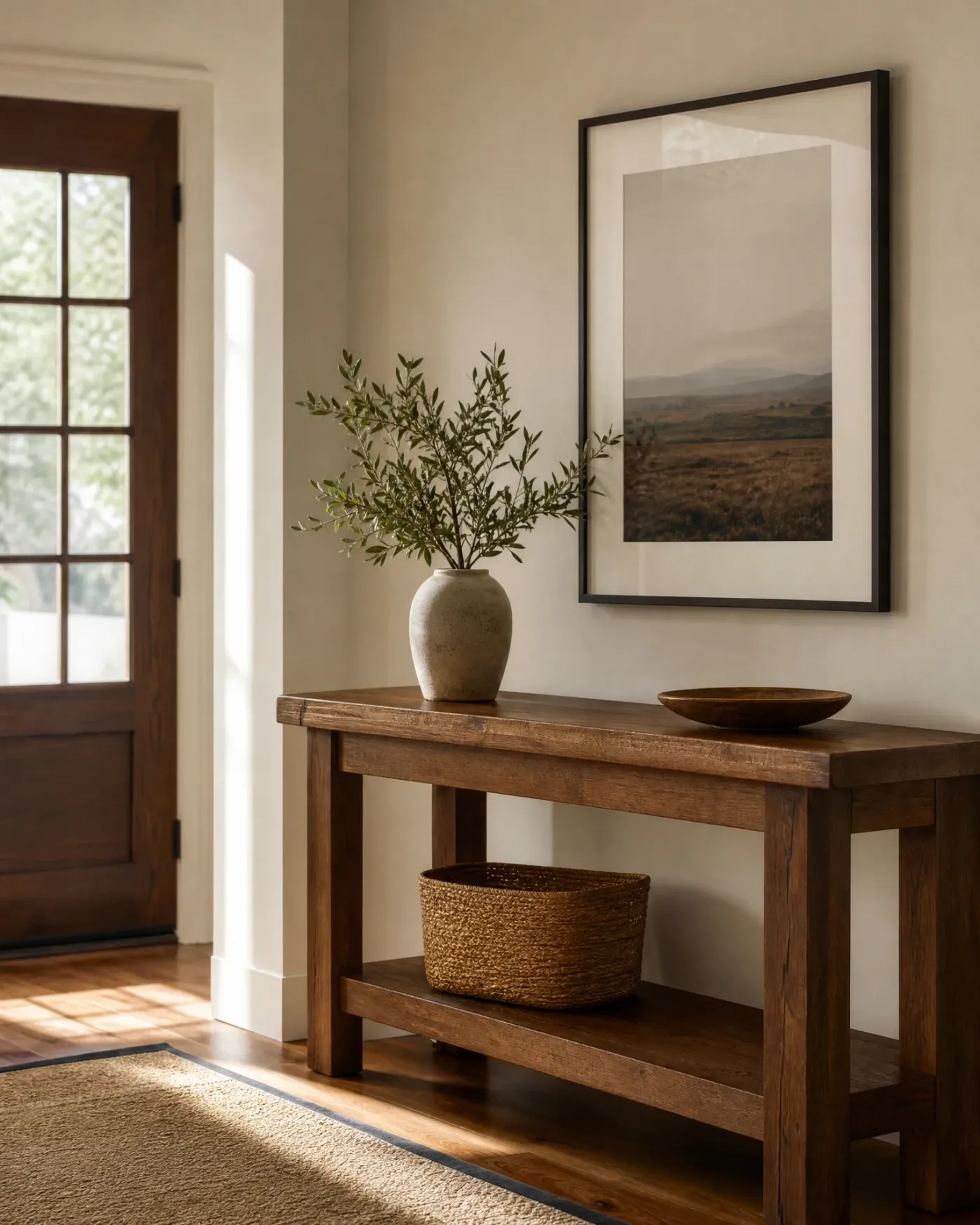
An entryway with a dark wood console table holding a stone vase of olive branches and a shallow wooden bowl, a woven basket on the lower shelf, a framed landscape print on the wall, and a glass-paned wood door at left.
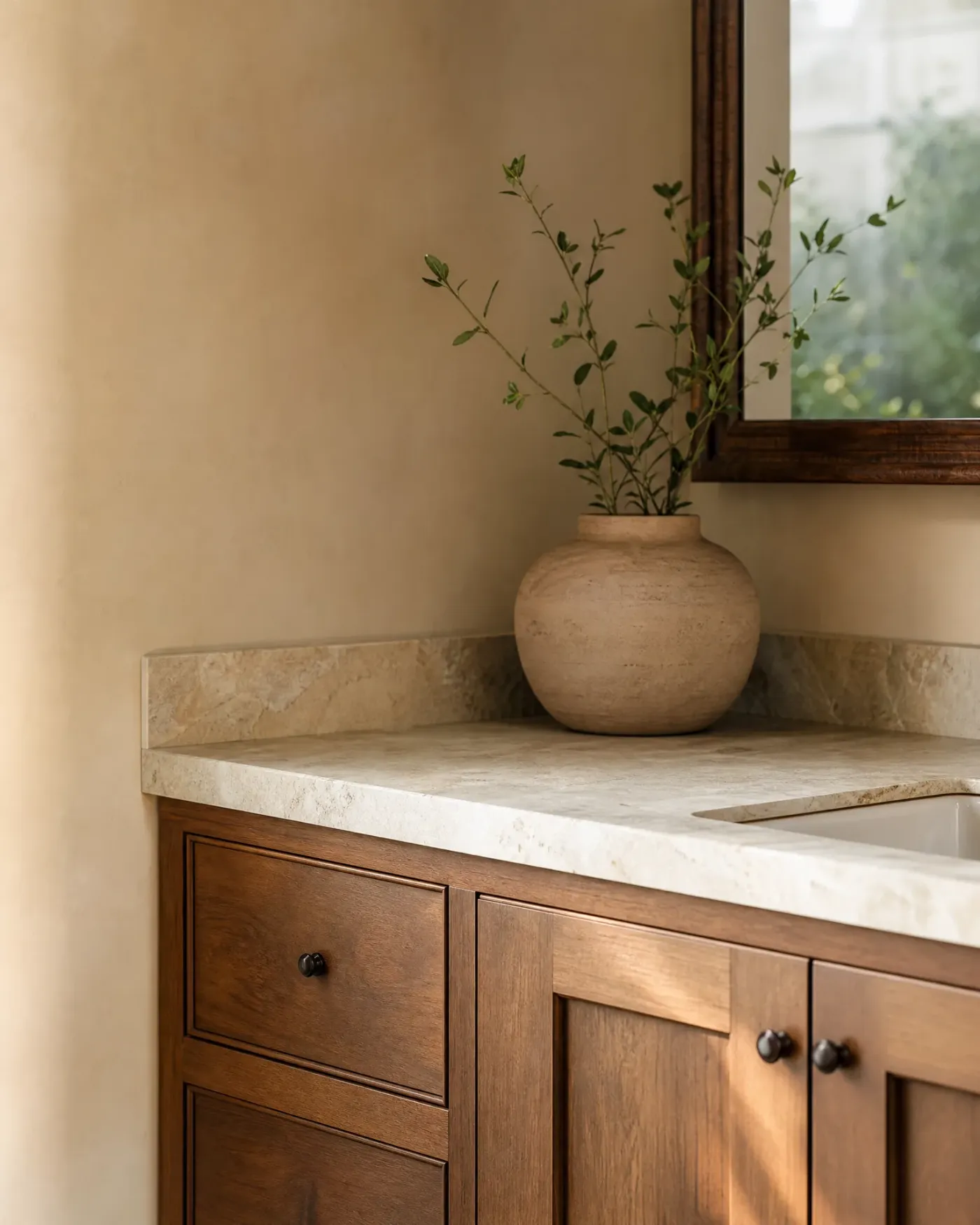
A wooden vanity cabinet with dark knobs and a beige stone countertop holding a round terracotta vase with leafy branches, beside a wood-framed mirror and a white sink.
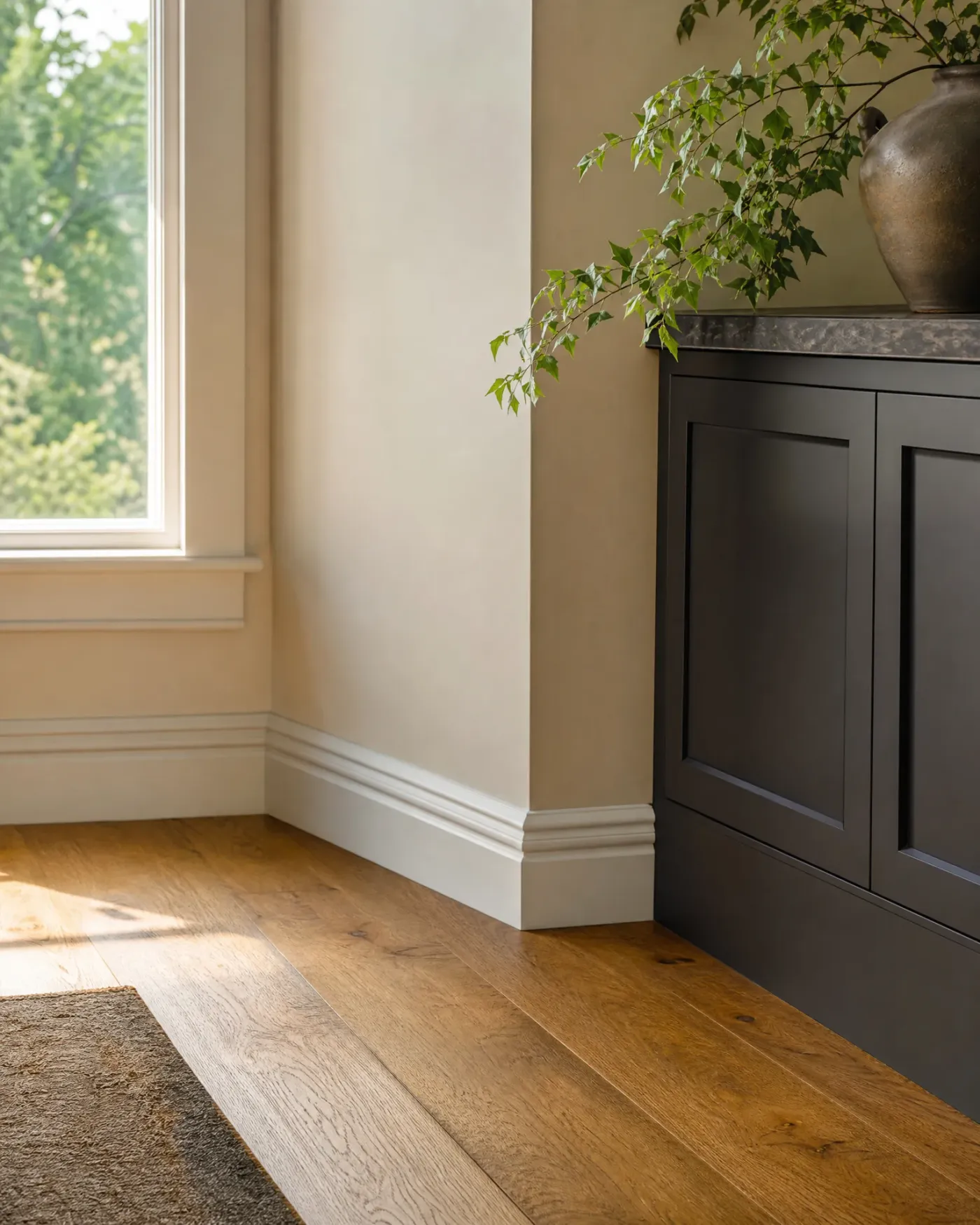
Sunlit room corner with wide-plank oak flooring, white baseboard molding and beige walls, a window at left showing green trees, and a dark cabinet at right topped by a stone vase holding a leafy branch.

Finding a pro stops being your job

Your request stays with one local pro.

Hand it off

Asking costs nothing, and the choice to hire stays yours.