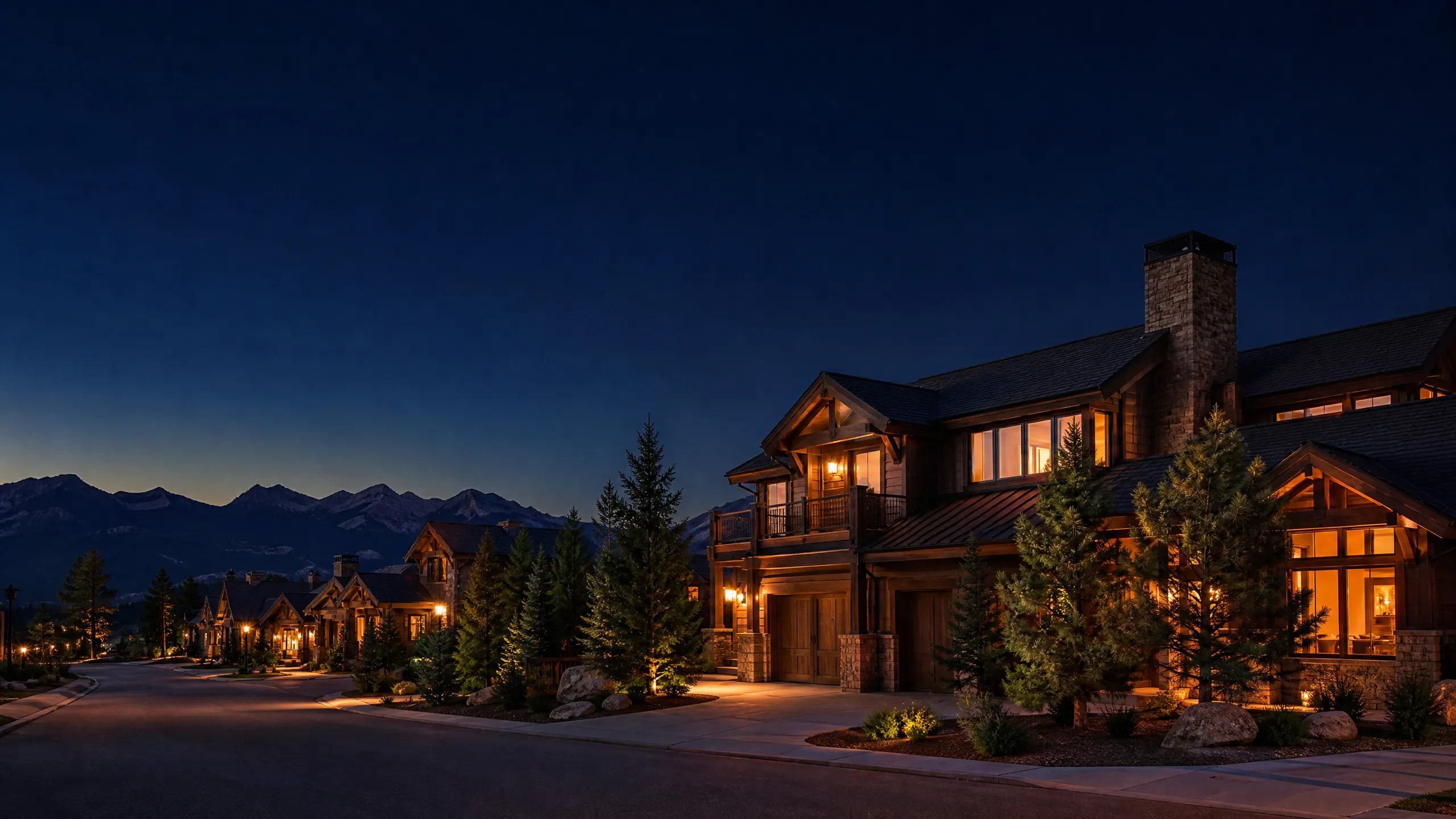
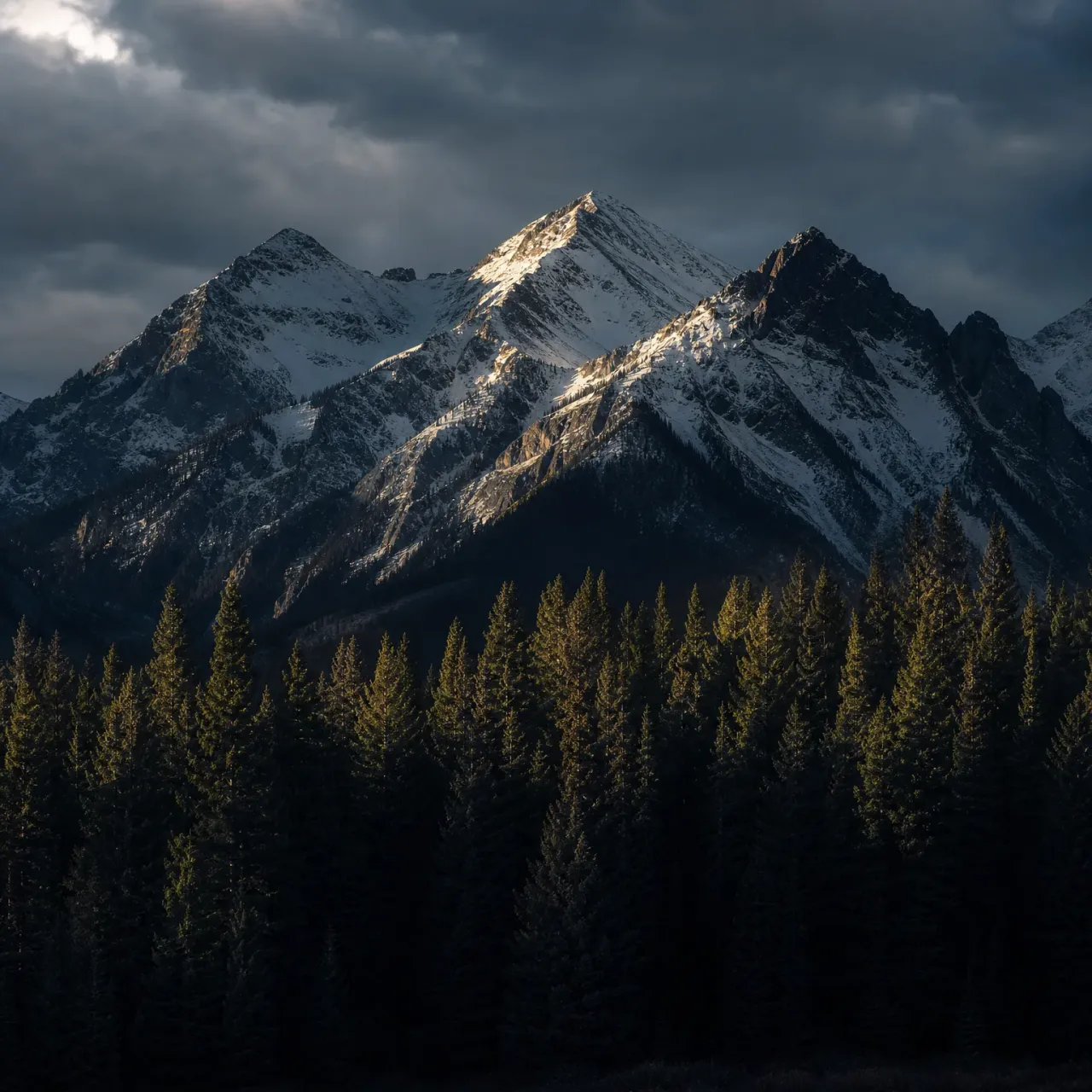

Illuminated timber-and-stone luxury homes along a residential street at dusk, with snow-capped mountains visible in the background.

Furnace Repair in Roosevelt, UT

Tell us about the job

Takes about a minute. No obligation.

RepairFurnace or heatingDuchesne County, UT
Step 1 of 2

What ZIP code is the job in?

Furnaces around Roosevelt run heat about ten months a year, September through June. Overnight lows average 12°F through December, January and February, and the furnace is what stands between the house and that cold. That kind of stretch doesn't give a system much time to rest or cool down between cycles. The igniter, the blower motor, the pressure switch, all of it is working more hours than it would almost anywhere else. When something in that chain starts to go, it tends to show up now rather than later. Worth having it looked at properly so whatever gets fixed actually holds.

10 months
September through June, your furnace is on duty
12°F
the average winter night it heats against
53 winter storms
in ten years, the nights a failure hurts most
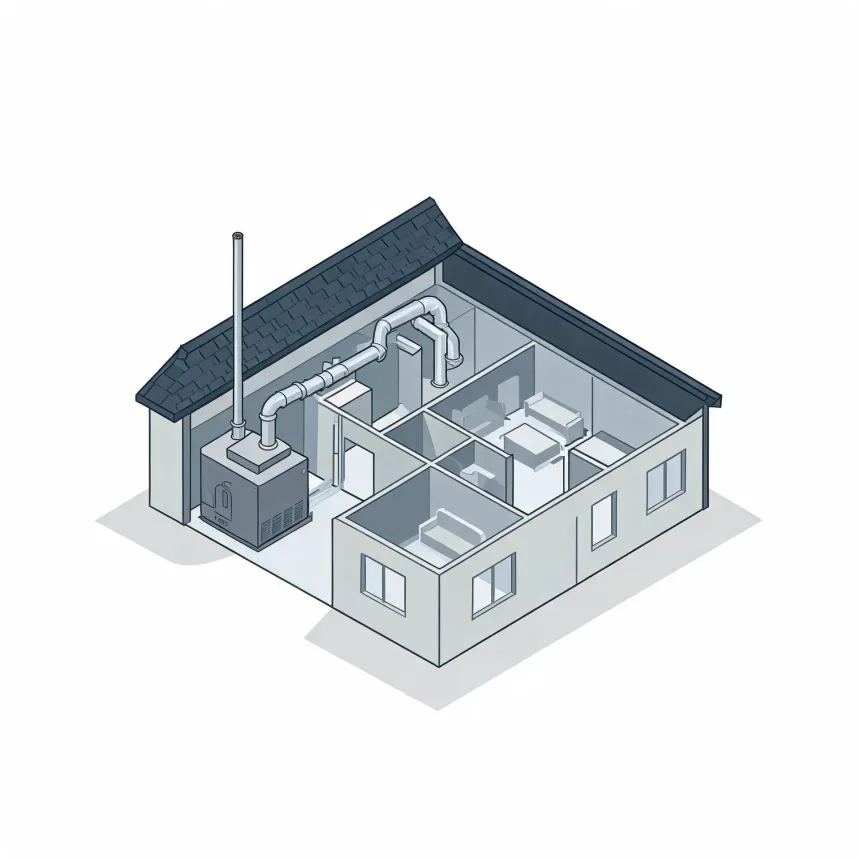
Isometric grayscale illustration of a cutaway single-story house showing interior rooms with furniture, plus an exterior furnace unit with a tall flue pipe and ducting running into the attic space.
Your furnace works hardest from October through April.

NOAA nClimDiv, 1991–2020 normals

Furnaces around Roosevelt start their run in September, after sitting idle since June.

August is the month to get yours checked, before that first cold week finds the weak part.

Half the homes here were built in 1986 or earlier, and age is most of what explains a furnace call

Half the homes here were built by 1986
Heat runs September through June
Winter nights average 12°F
Gas here costs more to wasteUtah gas ran $12.55 per million Btu in 2024, and a furnace running rough burns it anyway

A furnace that short-cycles or won't hold heat after months of steady running usually isn't failing for no reason. Something specific gave out, a cracked heat exchanger, a pressure switch stuck from dust, an igniter worn down from how often it has fired this year. Guessing at it only delays the fix. A proper diagnosis means someone traces the problem back to the actual part, instead of swapping pieces and hoping one of them was it. That matters more on a system that runs most of the year than one that gets long stretches to sit idle. Get the real cause found and fixed, and it holds through the rest of the cold months instead of calling someone back out in January.

A rough-running furnace burns the same gas, for less heat

A furnace burning gas at $12.55 per million Btu doesn't get cheaper to ignore. If yours is cycling wrong or struggling to hold heat, whatever's causing it keeps burning fuel every time it fires. Get the actual part found and fixed now, before another month of runtime goes to waste on it.

Find a contractor
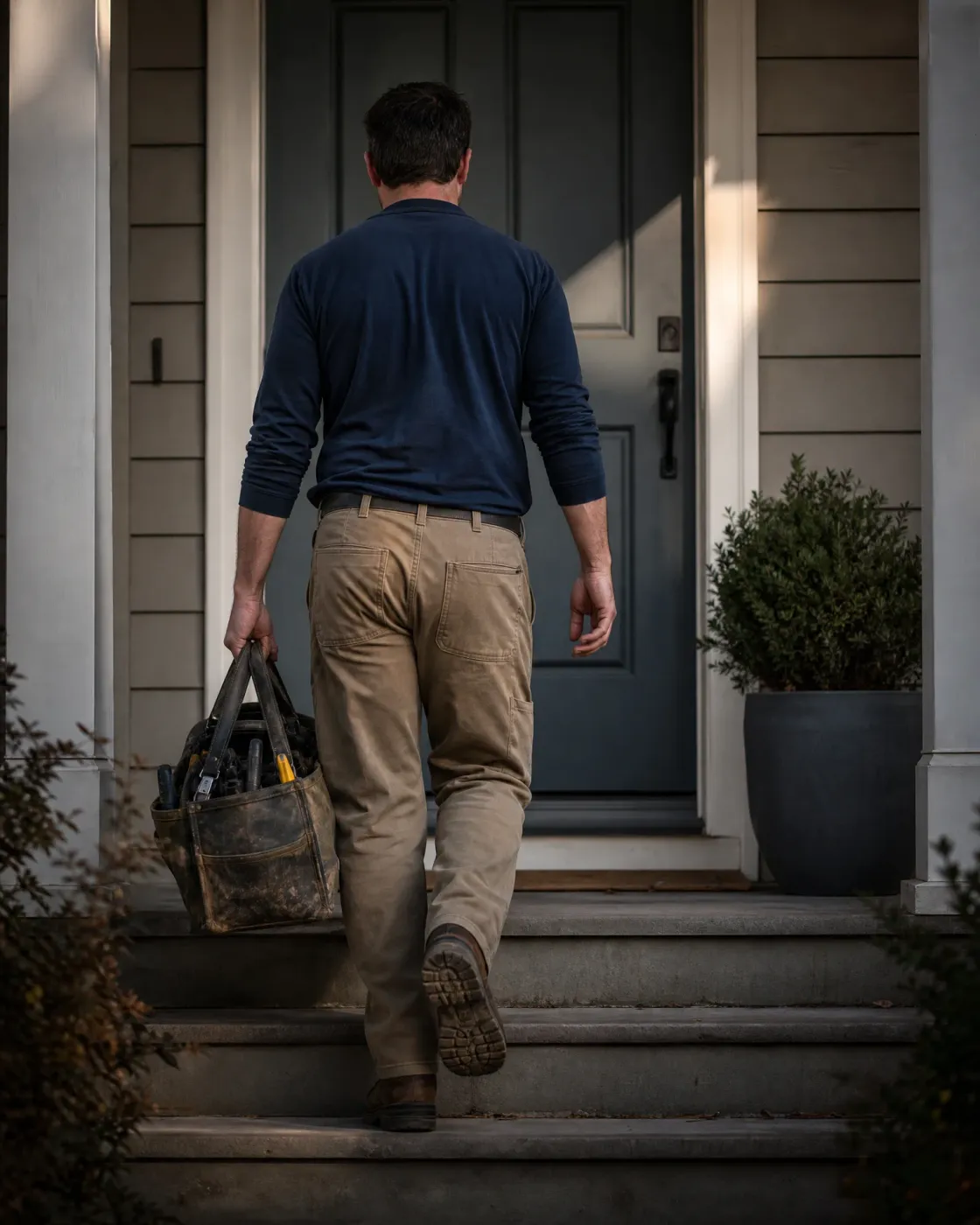
A man in a navy long-sleeve shirt and tan pants carries a canvas tool bag up concrete steps toward a dark blue front door flanked by columns and a potted shrub.
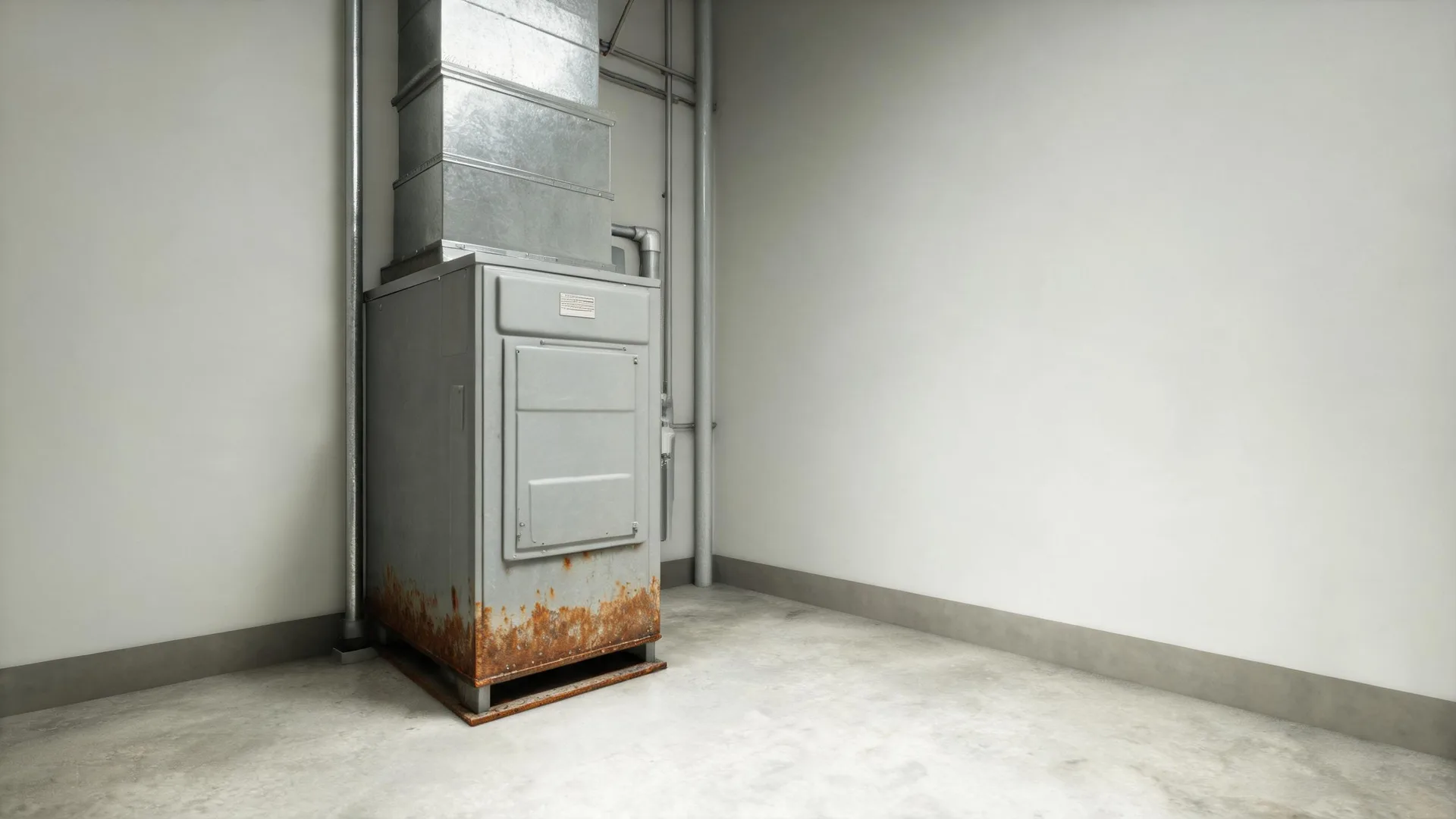
A gray residential gas furnace installed in an unfinished basement, connected to sheet-metal ductwork and PVC pipes.

The furnace usually tells you before it quits

A furnace that's about to need a repair usually tells you before it quits outright. It starts taking longer to kick on, or the blower runs but the air coming out isn't as warm as it used to be. Some cycle on and off faster than they should, never quite settling into a steady run. Others make a new sound. A rattle from the blower wheel. A screech from a motor bearing that's lost its lubrication. A clicking that keeps going past when the burner should have caught. A burner that won't fire on the first try and clicks several times before lighting is usually telling you the igniter or the flame sensor is wearing out. Any of these are worth a call before the part fails completely and leaves the house with no heat at all.

Check the simple things first

Look at the thermostat before anything else. Make sure it's set to heat and the setting is above room temperature, and check the batteries if it uses them. Then find the furnace filter. A filter packed with dust chokes off airflow, and the furnace will struggle or shut off early trying to push air through it. If it's gray and stiff instead of fluffy, swap it. Go to the furnace itself and check that the switch on or near it, the one that looks like a light switch, is flipped on. It gets bumped off more often than people expect.

Know what's yours to check and what isn't

Check the breaker panel for a tripped breaker tied to the furnace, and if there's a gas shutoff valve nearby, make sure it's turned to open. If the furnace has a standing pilot, see if it's lit, and if there's a reset button on the unit, note whether it's popped out, but don't hold it down or keep resetting it. That's as far as a homeowner should go. Opening the furnace cabinet, testing the igniter or pressure switch, or working near the gas line and burners is a job for someone licensed to do it.

An unfinished basement featuring a grey forced-air furnace with metal ductwork, concrete block walls, exposed wooden joists, and a single hanging bare bulb.

A new furnace would cut about $150 a year off heating for a typical Duchesne County home.

  • A new high-efficiency furnace$600 a year
  • An older furnace$750 a year

Estimates for a typical Duchesne County home, compared with an older unit built to the previous federal minimum, from EIA household energy data, Utah fuel prices and NOAA climate normals. Your home will differ.

Repair makes sense when one part has failed and the heat exchanger is sound.

Replacement makes sense when the heat exchanger is cracked or the furnace keeps needing parts.

A diagnostic visit starts before the panels come off. A tech runs the furnace through a cycle and watches how it behaves, how long ignition takes, whether the flame looks right, whether the blower kicks in when it should. Then the cabinet opens. The igniter gets checked for cracks or a weak glow. The flame sensor gets pulled and cleaned or tested, since a coated sensor can make a furnace shut off seconds after it fires. The pressure switch gets checked for a stuck or dirty diaphragm. Gas pressure gets measured at the valve, because too much or too little changes how the burner fires. The heat exchanger gets inspected for cracks, which matters more than almost anything else in that cabinet. None of this is guesswork. Each check rules something in or out, until what's left is the actual cause.