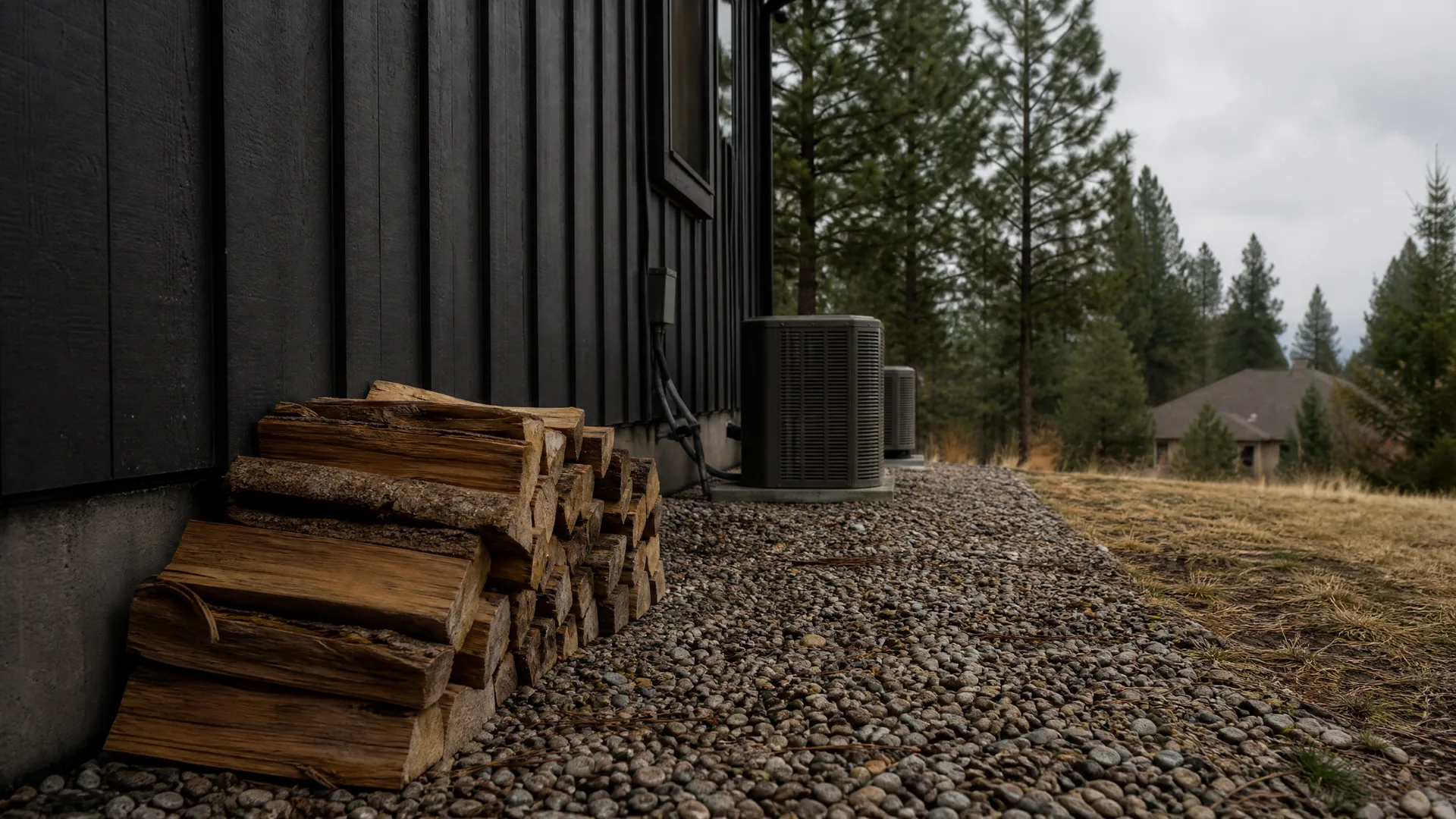


Stack of split firewood against the dark board-and-batten wall of a house, with two outdoor condenser units on a gravel strip, dry grass and conifer trees beyond under an overcast sky.

Furnace Repair in Cedar City, UT

Tell us about the job

Takes about a minute. No obligation.

RepairFurnace or heatingIron County, UT
Step 1 of 2

What ZIP code is the job in?

Furnaces around Cedar City run from October through May, about eight months of the year. Overnight lows average 20°F in December and January, so the furnace is holding that line most of the night, every night, for a long stretch. That's a lot of cycles on the igniter and the blower motor before spring even gets here. Winter storms hit the county often, and a furnace already working hard gets pushed harder when the temperature drops fast and stays down. A furnace acting up here usually isn't failing out of nowhere. It's wear that's been building, and it's worth having someone look at the actual part before it quits on a cold night.

8 months
October through May, your furnace is on duty
20°F
the average winter night it heats against
66%
of homes here heat with gas, so most furnaces here burn gas
36 winter storms
in ten years, the nights a failure hurts most
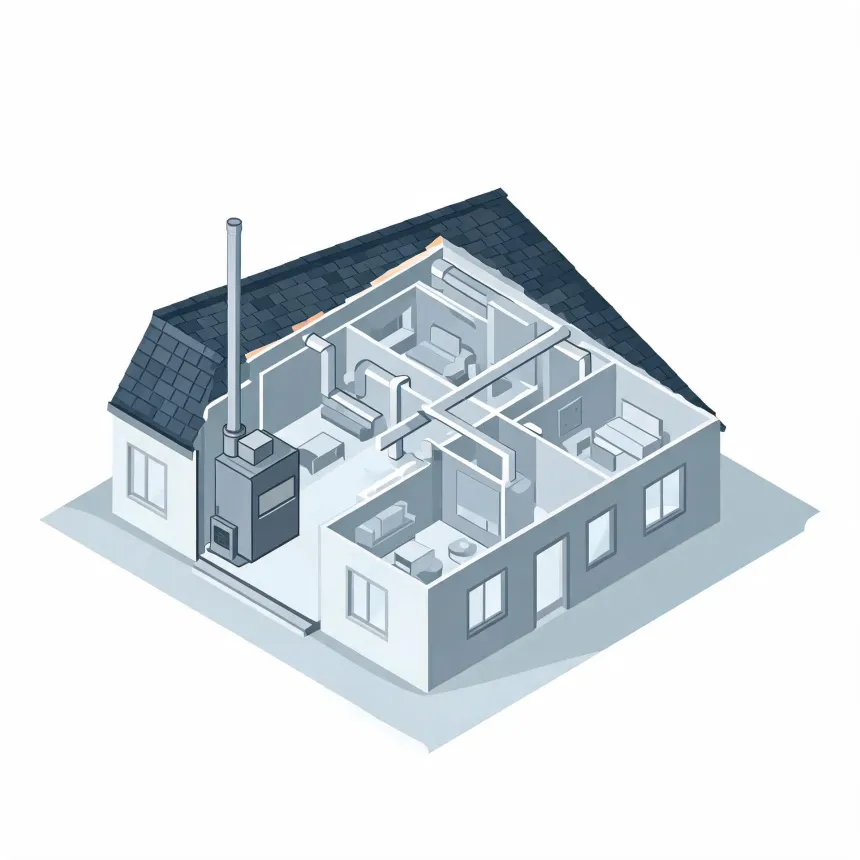
Isometric cutaway illustration of a single-story house showing interior rooms, ductwork, and a dark furnace unit with a tall flue pipe rising past the shingled roof.
Your furnace works hardest from November through April.

NOAA nClimDiv, 1991–2020 normals

Half the homes in Iron County were built in 1997 or later.

A furnace that came with a newer house still has a lot of working life, so a repair call usually makes more sense than a replacement.

A long cold season, not an unusual one. Just a lot of hours on the same parts.

Heat runs October through May
Winter nights average 20°F
36 winter storms from 2015 to 2024
Eight months of workFurnaces around Cedar City run October through May, so by September it's worth knowing what shape yours is in.

If your furnace is acting up, get the igniter and blower checked before you guess at anything else. Those are the parts taking the cycles night after night all winter, and they're usually where a slow decline starts. A technician can test both in one visit and tell you which one is actually failing versus which one still has life left. That's a better call than replacing a part that didn't need it, or waiting until a cold snap takes the decision out of your hands.

A newer furnace is worth repairing

If yours came with the house, get the igniter and blower checked before anything gets replaced. A furnace with that much life left usually just needs the worn part found and fixed.

Find a contractor
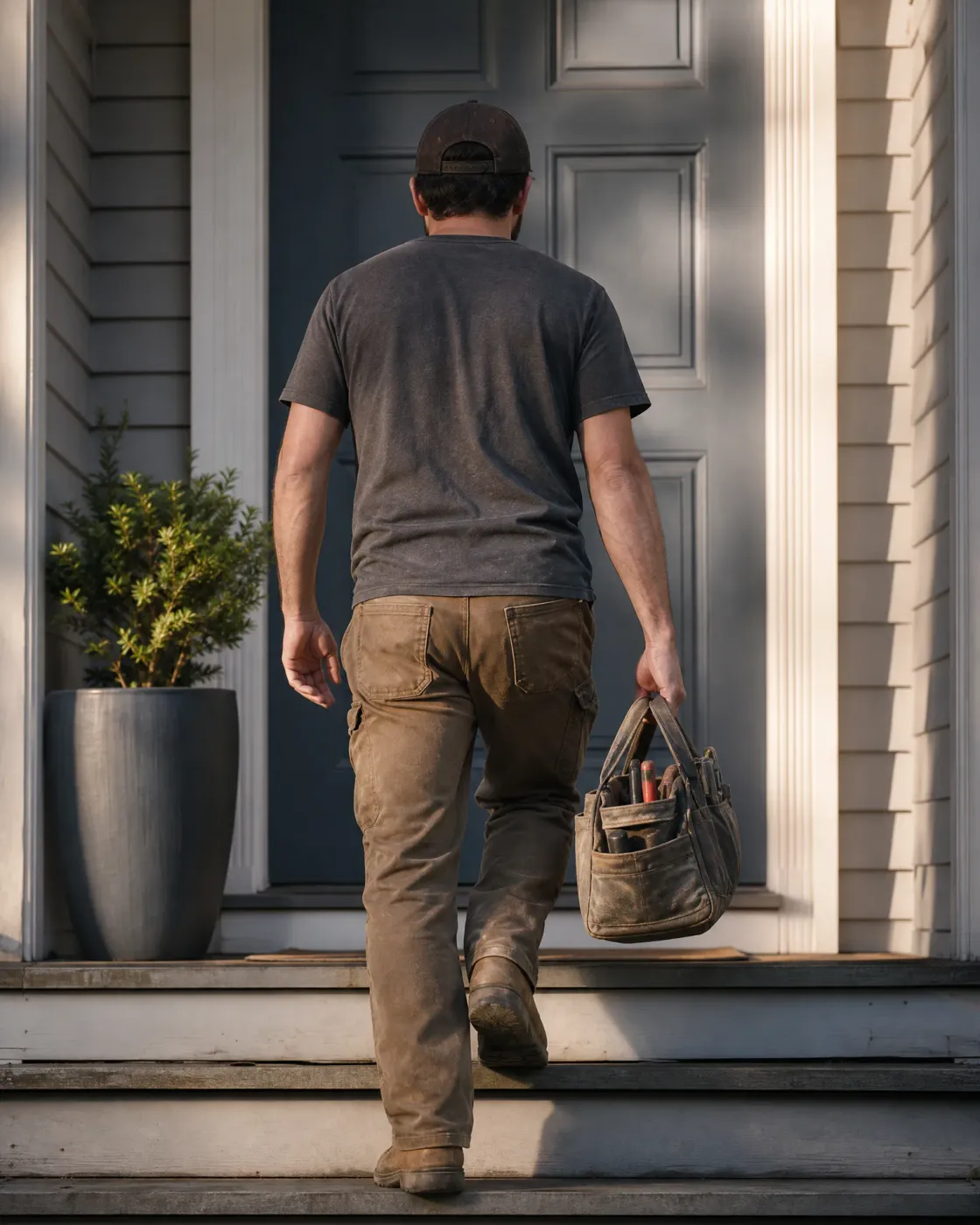
A man in a cap, gray T-shirt and brown work pants carries a worn leather tool bag up wooden porch steps toward a dark paneled front door, with a potted shrub to the left.
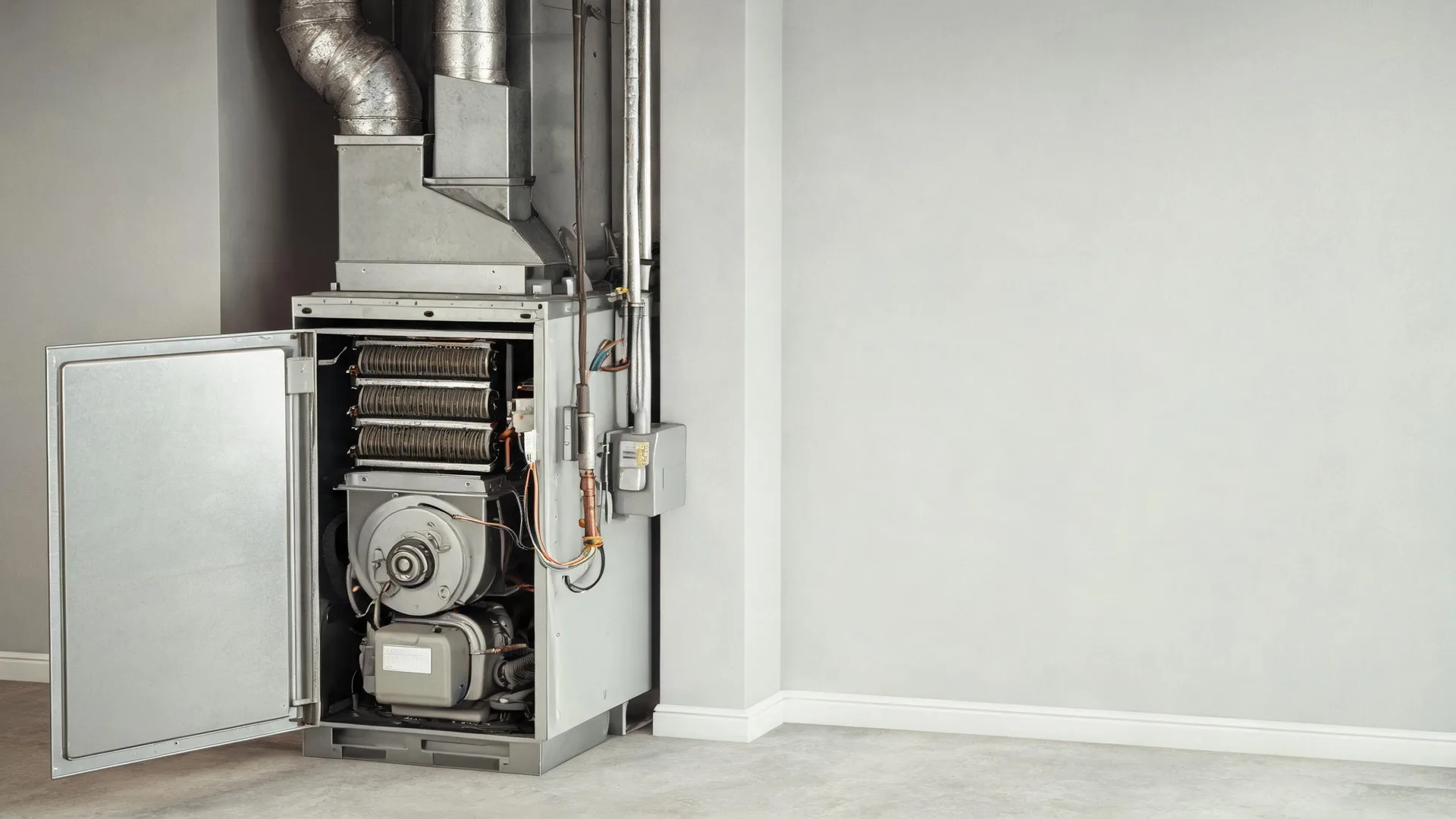
A gray gas furnace with attached ductwork and piping installed in an unfinished concrete basement.

What tells you something's wrong

A furnace rarely quits without warning you first. The burner flame should burn steady and blue. If it's yellow, flickering, or pulling away from the burner, that's worth a call. Short cycling, where the furnace fires up and shuts off again before the room warms, usually points to a clogged filter or a failing flame sensor, not something you can fix by turning the thermostat up. A clicking sound at startup that doesn't catch, where the igniter glows but nothing lights, means it's on its way out. Warm air that's weaker than it used to be, or a blower that runs but barely moves anything, points to the motor losing strength after enough seasons of running. None of these mean the furnace is done. They mean a part is wearing out ahead of the rest, and it's easier to replace that part before it takes something else down with it.

A cracked heat exchanger gets worse under heat

Metal that's already cracked expands every time the burner fires, and the crack opens a little more each cycle. Running it doesn't wear it down evenly, it stresses the weak point over and over until that point gives.

A dirty flame sensor doesn't fix itself by running

Each time the furnace shuts off before it should, it tries to relight and shuts off again. That's more cycles on the igniter and more strain on the blower than a furnace running normally, all to heat the same room.

An unfinished basement featuring a forced-air furnace, exposed wooden ceiling joists, bare concrete walls, and miscellaneous items including cardboard boxes and coiled cables on the floor.

A new furnace would cut about $110 a year off heating for a typical Iron County home.

  • A new high-efficiency furnace$440 a year
  • An older furnace$550 a year

Estimates for a typical Iron County home, compared with an older unit built to the previous federal minimum, from EIA household energy data, Utah fuel prices and NOAA climate normals. Your home will differ.

Repair makes sense when one part has failed and the heat exchanger is sound.

Replacement makes sense when the heat exchanger is cracked or the furnace keeps needing parts.

A repair makes sense when the failure is one part acting up while the rest of the furnace runs the way it should. An igniter, a flame sensor, a blower motor, a capacitor, these fail on their own schedule and swapping one out doesn't ask anything of the parts around it. Replacement starts to make more sense when the heat exchanger is cracked, since that's the part that isn't sold separately from the whole unit, or when the furnace has already had several different repairs in close succession. That pattern usually means the parts around the one that just failed aren't far behind it. A technician who's run the diagnostics can tell you which situation you're in. Guessing from the symptom alone usually can't.