




Why your heat pump runs nonstop in a Utah winter

One form replaces the calls you'd make to find a heat pump pro.

Skip the search

A heat pump that runs nonstop in a Utah winter is usually doing what it's supposed to do. Below about freezing, a heat pump pulls less heat out of the outdoor air with each cycle, so it has to run longer to keep the house at temperature. On a cold, clear January night that can mean it never shuts off. That alone isn't a problem. It becomes one if the house still doesn't feel warm, if you notice ice building up on the outdoor unit that isn't melting off during the defrost cycle, or if the backup heat strips seem to be running all the time instead of only on the coldest mornings. Those point to something else going on, like a system that's low on refrigerant, a defrost control that isn't cycling right, or a unit that was sized for cooling and is struggling to keep up with heating on the hardest nights. Nonstop running by itself is normal cold-weather behavior. Nonstop running without enough heat to show for it is not.

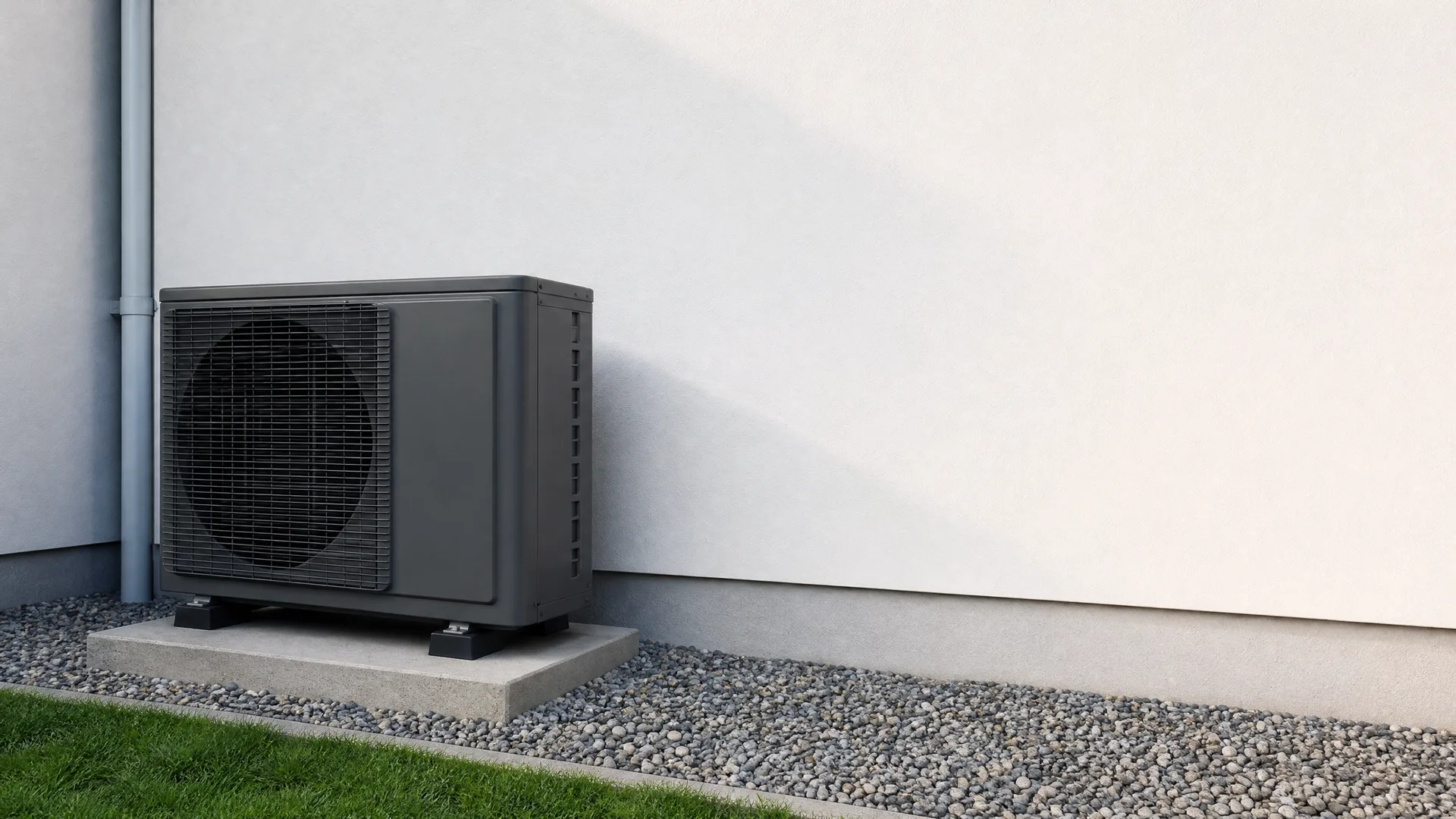
A dark grey air-source heat pump unit on a concrete pad beside a light-coloured rendered wall, surrounded by gravel with a strip of grass in the foreground and a downpipe at the left.

Why cold air changes the cycle

A heat pump moves heat from outside air into your house. The colder that air gets, the less heat it holds, so the system has to run longer to pull out the same amount. Past a certain point, usually somewhere in the 30s, the outdoor coil can't gather heat fast enough to keep up on its own, and a backup heat source has to pick up the difference. None of that means the unit is broken. It means the air outside has less to give.

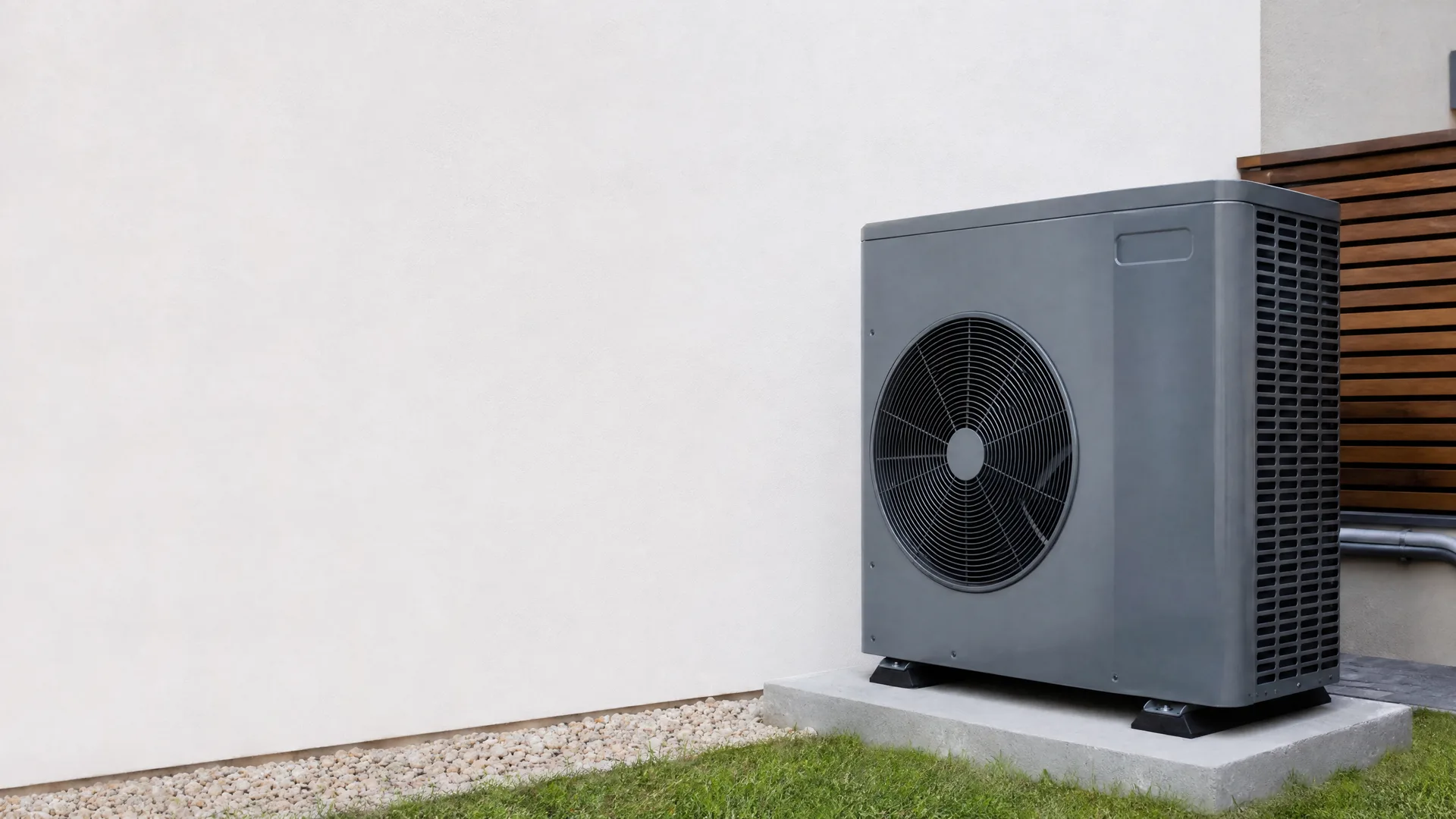
A gray outdoor heat pump unit on a concrete pad beside a white stuccoed wall, with gravel and grass in front and a wooden slat screen behind.

When long run times mean trouble

A heat pump that runs all day but still can't hold the house at temperature is telling you something different. So is one that frosts over and doesn't defrost on its own, or short cycles on and off instead of running steady. Check the outdoor unit for a thick coat of ice that doesn't clear within an hour. If the air coming from the vents feels cool rather than warm, or the thermostat setting and the actual temperature keep drifting apart, that's a sign for a contractor to look at, not just cold weather.

A closed laptop and a ceramic mug of dark coffee sit on a wooden table, with a blurred kitchen counter, potted plant, wooden utensils and cutting boards, and a large window in the background.

What nonstop running does to your house

If the system is running long but your house still feels warm and even, that's the heat pump doing its job on a cold day. What's worth paying attention to is a house that stays cool anyway, or one room that never catches up while the thermostat says it should be fine. That's usually the first sign something's working harder than it should: a dirty coil, low refrigerant, or a backup heat strip that isn't kicking in when it needs to.

Utah winters put real hours on this equipment, and a system that's struggling adds that strain on top of an already long runtime. Instead of searching around for someone to look at it, calling a few places, and going through the same explanation each time, you can have a technician who works on heat pumps in this kind of cold look at yours directly. One local contractor, already familiar with what tends to fail in weather like this, gets back to you instead of a handful of companies competing for the job.

Interior corner of a living room with a beige upholstered armchair holding a textured pillow and throw, a eucalyptus arrangement in a ceramic vase on a wooden table in the foreground, a blurred glass-front cabinet behind, and a potted plant on a sunlit window sill.
A gray outdoor condenser unit on a concrete pad beside a house with horizontal lap siding, with a wall-mounted disconnect box, conduit and insulated refrigerant lines, a shrub at left and gravel at right.

Running long, keeping up

This is a heat pump doing normal work in cold weather. The lines and the disconnect are intact, the pad is level, and the unit cycles long because that's what's needed below freezing. If your house holds temperature, this is it functioning as built.


An outdoor condenser unit on a concrete pad beside a horizontal-sided house, with insulated refrigerant lines running to a wall-mounted box, surrounded by bare dirt.

Running long, falling behind

An older unit like this has had more winters to wear down a contactor, a run capacitor, or the reversing valve that lets it heat at all. When one of those starts to fail, the heat pump runs just as long but stops closing the gap, and a local contractor who services this equipment every winter can tell you which part it is.

Is your heat pump running but your house still cold?

You'll notice it most in the bedrooms at night, or in the room farthest from the thermostat. The outdoor unit is running, you can hear it, but the vents are only putting out air that's warm, not hot, and the house never quite catches up. Some people bump the thermostat up a few degrees and it still doesn't close the gap. You might notice the unit cycling on and off more than it used to, or frost building up on the outdoor coil that doesn't melt off during the day. Left alone through a Utah winter, a system working that hard without keeping up usually means something is already wrong with it, and it can freeze up or fail on the coldest night of the year, which is the night you need it most.

An outdoor air conditioner condenser unit on a concrete pad beside a house with horizontal siding above a concrete block foundation, with insulated refrigerant lines and a vertical white pipe on the wall.
Before you get your heat pump repair
A gray outdoor condenser unit sits on a concrete pad against a house wall with horizontal siding above a stone veneer base, with an electrical disconnect box and conduit on the wall and a leafy shrub in mulch to the left.
After you get your heat pump repair

Describe it once

Your request stays with one local pro.

It costs nothing to send, and you don't have to hire anyone.

Running normal versus running worried

A heat pump that cycles for long stretches on a cold night is doing what it was built to do. Utah winters drop well below freezing, and at those temperatures a heat pump has to work longer to move the same amount of heat indoors. If the house holds its temperature and the air coming out of the vents feels warm, long run times are just the system keeping up with the cold outside. There's no fix needed for that, and no reason to think the equipment is struggling. It's the expected trade-off of heating with outdoor air once the mercury drops.

When nonstop means something's wrong

The other case is a system that runs the same long hours but can't hold the house at temperature. The thermostat shows a gap between the set point and the actual reading that doesn't close. One room stays cold no matter how long the unit runs. The outdoor unit sounds different than it used to, or ice builds up and doesn't clear during the defrost cycle. These point to something failing inside the system, not the weather outside it. A contractor who works on heat pumps through Utah winters can tell you which case you're in without you having to guess from the thermostat alone.

A woman with dark hair in a bun sits on a grey couch holding a sleeping child wrapped in a knit blanket, with a lit lamp and potted plant blurred in the background.
An older woman in a cream knit sweater smiles while looking off-camera in a warmly lit kitchen, with a round loaf of bread on a wooden board in the foreground and a dark window behind her.

Power costs 13.02 cents per kilowatt-hour statewide

At 13.02 cents a kilowatt-hour, a heat pump that runs long on a cold night isn't the expense people assume. Since Utah power is cheap, the extra runtime below freezing costs less than the same hours would in most other states. It's still worth a repair call if your house isn't holding heat despite all that running.

EIA-861 2025 statewide residential average

A gray outdoor condenser unit sits on a concrete pad beside a house with horizontal lap siding, with a wall-mounted disconnect box and refrigerant lines, mulched beds and a shrub nearby, and a concrete walkway in the foreground.
A clean coil and a level pad let the unit pull in air the way it was built to, even when it's running long hours.
An outdoor air conditioning condenser unit with dusty coils sits on a concrete pad against light horizontal siding, with an electrical disconnect box and refrigerant lines on the wall and a shrub and mulch at left.
Soil packed against the cabinet and a coil caked with grime make the unit work harder to move the same heat.

Long cycles, or a real problem

  • Long cycle times below freezing are normal operation, not a sign of a broken heat pump.
  • A house that stays warm and even while the system runs long is the heat pump doing its job correctly.
  • Uneven temperatures, a system that never catches up, or ice staying on the outdoor coil point to a real problem.
  • A level pad, intact lines, and a clean coil let the unit work the way it was built to during cold stretches.
  • Utah's cheap power means long winter runtime costs less than the same hours would in most other states.
  • A repair call sorts out whether the long cycles are the cold doing its usual work or the equipment falling behind.

Below freezing, a heat pump runs long because there's less heat in the outdoor air to pull from. That's the whole explanation most nights. If your house holds a steady temperature while the unit cycles on and on, nothing is wrong. The system is doing the job it was built to do, and Utah gives it plenty of cold nights to do it in.

What tells a different story is a house that won't catch up. One room stays cold no matter how long the system runs. The thermostat room is fine but the bedrooms aren't. Ice builds up on the outdoor coil and stays there. Those are signs the equipment is falling behind the cold, not just working through it, and that's worth a look from someone who can tell the difference.

A level pad, solid lines, and a coil that isn't caked with dirt or packed with snow all let the unit move air the way it's supposed to, even on the coldest stretch of January. None of that changes how long a cycle runs below freezing. It changes whether the unit is working at a disadvantage on top of the cold.

Power here is cheap, so the extra runtime itself isn't the costly part. What's worth paying for is knowing which one you've got: a heat pump doing normal winter work, or one that needs a repair before the next cold snap finds the weak point.

A woman with long gray wavy hair in a knit sweater sits on a light sofa with a striped pillow, looking toward a window in a room with wooden shelving and a potted plant.
A woman in a gray cowl-neck sweater stands in a living room with built-in shelves, a lamp, a sofa with cushions, and a bright window behind her, looking to her right.
A woman with long wavy brown hair in a dark blue sweater sits on a sofa with cushions, looking off to the side, with a wooden shelving unit, houseplant and bright window behind her.
A woman with long dark hair in a gray knit sweater sits indoors smiling and looking off to the side, with a window, houseplant, framed picture, and shelving blurred behind her.

Heat Pump Repair

No phone calls to make

Your request goes to one pro, not a list of companies.

A black smartphone standing upright against a plain light gray background, its screen filled with solid green.
RepairHeat PumpUtah
Step 1 of 2

What ZIP code is the job in?