A dirty filter blocks airflow fast
A filter clogged with dust makes the furnace pull air through a smaller opening, so heat builds up near the burner and the limit switch shuts the furnace off early.

Explain it one time
A furnace that cycles on and off every few minutes usually has a reason behind it, from a clogged filter to a flame sensor that needs cleaning. This page walks through why it happens and what it means for your system. Skip the search for a gas furnace repair tech in Utah and the round of calls to explain the problem again. One licensed local contractor who works on furnaces all winter can take it from here.
Start one formA furnace that turns on and off every few minutes, instead of running a full cycle, is short cycling. Most often it's a clogged filter cutting off airflow, which makes the furnace overheat and shut down before it's finished heating your home. It can also be a flame sensor coated with residue, so the furnace lights, then shuts off because it can't confirm the flame is burning. Either way, the furnace is protecting itself from overheating or running without a verified flame. Left alone, this wears on the ignition system and the blower motor faster than normal use would, and your home ends up colder than the thermostat setting because the furnace keeps shutting off before the air warms up. The fix depends on which part is causing it, and that takes someone checking the actual unit rather than guessing from the symptom.




A filter clogged with dust makes the furnace pull air through a smaller opening, so heat builds up near the burner and the limit switch shuts the furnace off early.
Once the sensor can't detect the flame through the buildup, the control board cuts gas to the burner within seconds, even though the furnace is working fine otherwise.
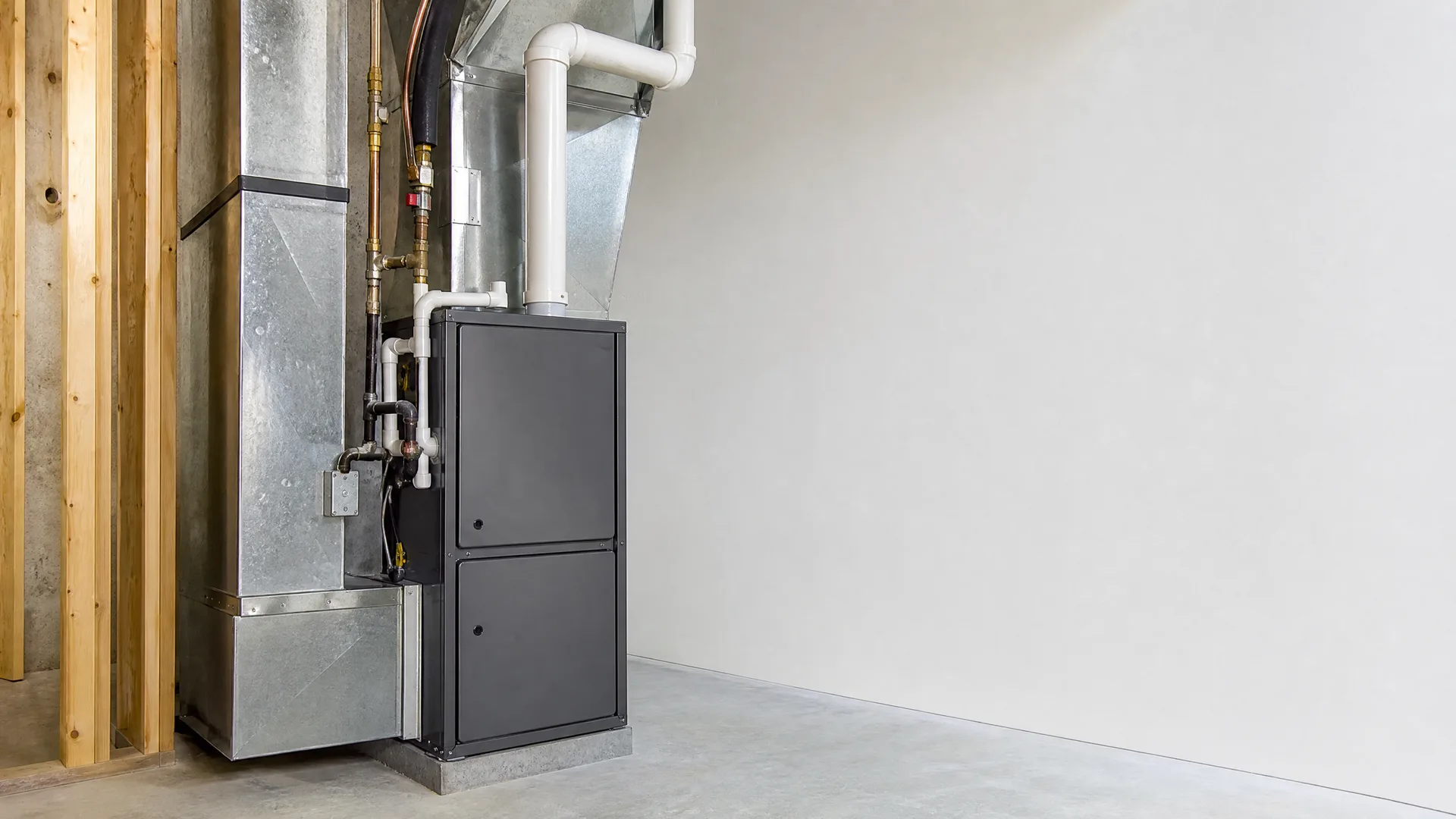
When the furnace shuts off early, the air coming out never gets hot enough for long enough. You'll feel it most in the rooms farthest from the furnace, the bedrooms down the hall or the room over the garage. The thermostat might read 68 and still feel off. In January and February, when outside temperatures sit well below freezing most nights, that gap between what the thermostat says and what the room feels like gets harder to ignore.
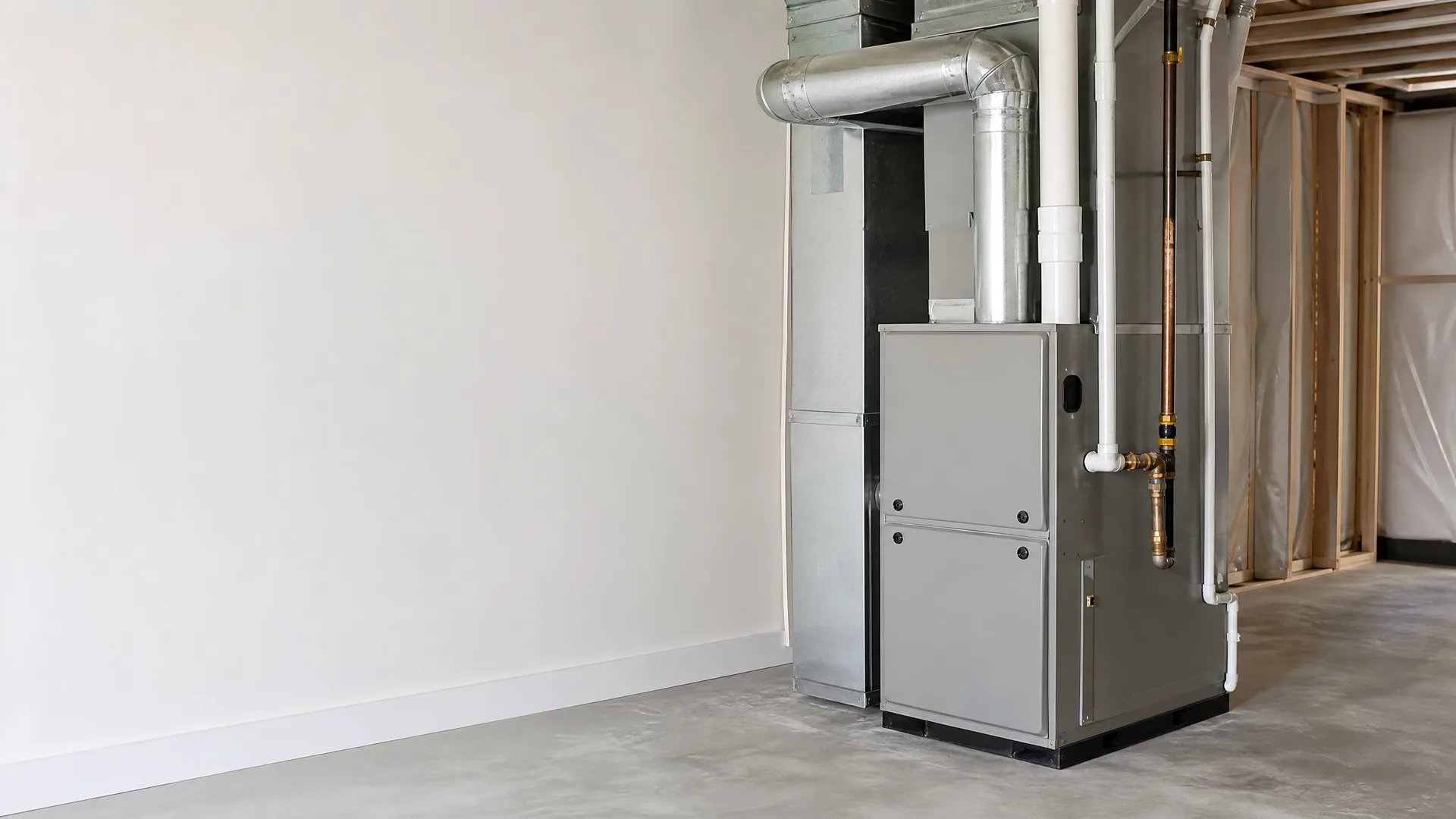
Short cycling means the igniter fires and the blower kicks on far more often than a full heating cycle calls for. Each start is a small strain on both parts. Since power is cheap here, the bigger cost usually isn't the electric bill, it's wear showing up sooner than it should. A furnace that cycles like this for a season is closer to a blower motor or igniter repair than one that runs normal cycles through the same winter.
A furnace that runs for just a few minutes before shutting the blower off again usually isn't random. There's a sequence happening inside the cabinet each time it fires, and when something interrupts that sequence early, the blower cuts out before the cycle is done. Knowing where in that sequence things go wrong points to what's actually causing it.
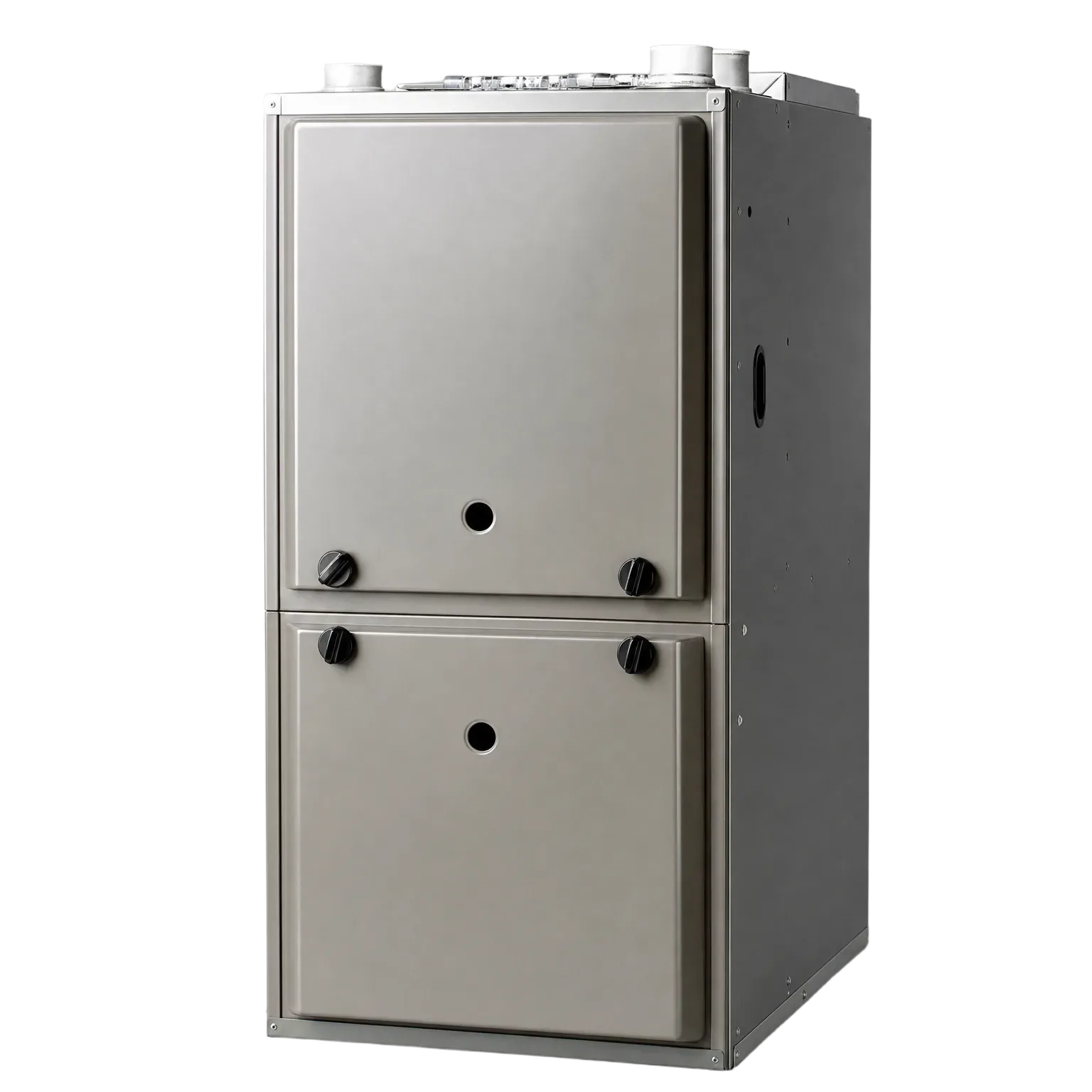
When your furnace fires, the burner heats the air inside the heat exchanger first, then the blower kicks on a few seconds later to push that heat through the ducts. A switch called the limit switch watches the temperature inside the cabinet the whole time. If airflow is restricted, whether from a clogged filter or something blocking a vent, heat has nowhere to go and builds up fast. Once it crosses the limit switch's setting, the switch shuts the burner off to protect the heat exchanger from cracking, and the blower follows a short while later. That protective shutoff is what you're feeling as the furnace kicking on and off in a few minutes instead of running a normal cycle.
The thermostat calls for heat and the inducer motor starts first.
The furnace checks for proof of draft before allowing ignition.
The igniter heats up or sparks to light the burners.
The flame sensor confirms a flame and keeps gas flowing.


Winter nights across Utah average 21°F, according to NOAA climate data, and that cold is exactly when short cycling gets worse. A furnace working against a deep overnight chill fires more often and runs longer each time, which means a clogged filter or a dirty flame sensor gets tested more times a night than it would in milder weather. If yours is already shutting off early, you'll likely notice it most between midnight and morning, when the thermostat keeps calling and the furnace keeps tripping out before the house catches up. A furnace tech working Utah winters sees this pattern every season and usually knows within a few minutes which part is behind it in your system, since it's almost always one of a handful of things. You'd be connected with one local contractor for the visit, not a handful of companies calling back at once.
NOAA nClimDiv 1991-2020 county normals weighted by homes
Only one pro gets your request, so you hear from one company.
Sending the form costs nothing.
Every part in this sequence is checking something before it lets the next part act. The control board runs the show, and it won't skip a step even when skipping would keep the house warmer. The pressure switch has to see proof that the inducer motor is clearing exhaust out of the cabinet before the board allows the igniter to fire at all. Once the burners light, the flame sensor takes over. It's a thin rod sitting right in the flame, and it reads a current measured in microamps, a few millionths of an amp, as proof the fire is real. When soot builds up on that rod, the current drops, and the board can read a perfectly good flame as no flame and shut gas off to be safe. The limit switch works a separate problem. It sits near the heat exchanger and watches the air temperature right there, not the thermostat setting. If airflow through the furnace is choked down for any reason, that air gets hotter than it should, and the limit switch trips to keep the heat exchanger from damage. A clogged filter causes this. So, less often, does a cracked heat exchanger, which lets heat collect in a spot the furnace isn't built to handle. Either way the board treats it the same: stop the cycle now, try again later. None of these parts fail loudly. They just do their job, and the furnace that keeps restarting is usually one of them doing exactly what it's supposed to.
At 21°F, your furnace is firing often and staying on longer to keep up, which is more heat passing through a dirty filter or a bad limit switch. The parts already under strain get tested the hardest on nights like that.
NOAA nClimDiv 1991-2020 county normals weighted by homes
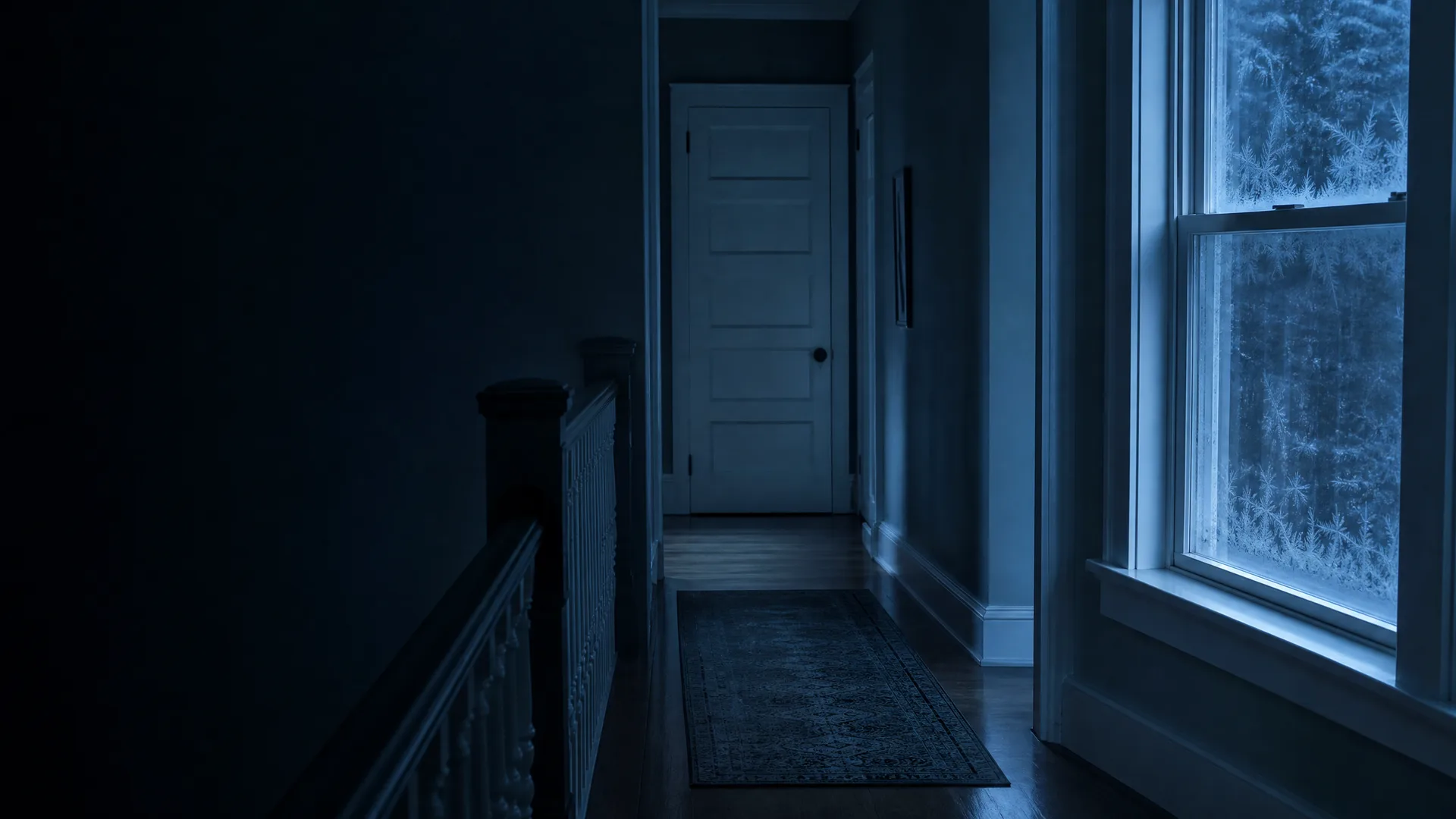
You wake up a little after 2 and the house feels wrong before you know why. The vents are quiet. Down the hall the window has frost crawling up the inside of the glass, and the light coming through it is thin and blue. You check the thermostat. It's calling for heat, same as it was an hour ago, but nothing's moving air. Outside it's somewhere near 21 degrees, the kind of night that pushes a furnace hard. You stand in the hallway a minute, listening for the burners to catch, and they don't. Just the cold floor under your feet and the house going quiet around you.

A clogged filter, a dirty flame sensor, a limit switch that trips too soon. Those are the usual reasons a furnace fires, runs a few minutes, and quits before the house warms up. On a 21°F night the furnace already has to run longer and fire more often, so whichever part is failing gets found out fast. A licensed furnace repair contractor in Utah can open the cabinet, watch it cycle, and tell you which of those it is.
You don't have to figure out which one on your own, or spend the evening searching for a contractor, calling a few, explaining the same thing each time, and weighing quotes against each other. You get matched with one local contractor who works on gas furnaces all winter and knows which part usually fails first in a cycle like this. No pile of calls from different companies, just the one who's coming to look at your furnace.


One form, no calling around