Is a heat pump cheaper to run than gas heat in Utah

Get in touch with a local installer about a new heat pump.

New system or replacementHeat PumpUtah
Step 1 of 2

What ZIP code is the job in?

Usually, yes. A heat pump moves heat instead of burning gas to make it, so it delivers more heat than the energy it uses, and power in Utah is cheap enough that this adds up to lower bills most of the year. Gas heat still has an edge on the coldest nights. Once outdoor temperatures drop into the teens or lower, a heat pump has to work harder to pull warmth from that cold air, and its output starts to fall off. Most homes here heat with gas already, so the comparison that matters is how your heat pump handles those cold snaps compared with the furnace it may be paired with or replacing. If your system switches to backup heat strips on the coldest days, that stretch can cost more to run than gas would. The rest of the winter, the heat pump is likely doing the cheaper job.

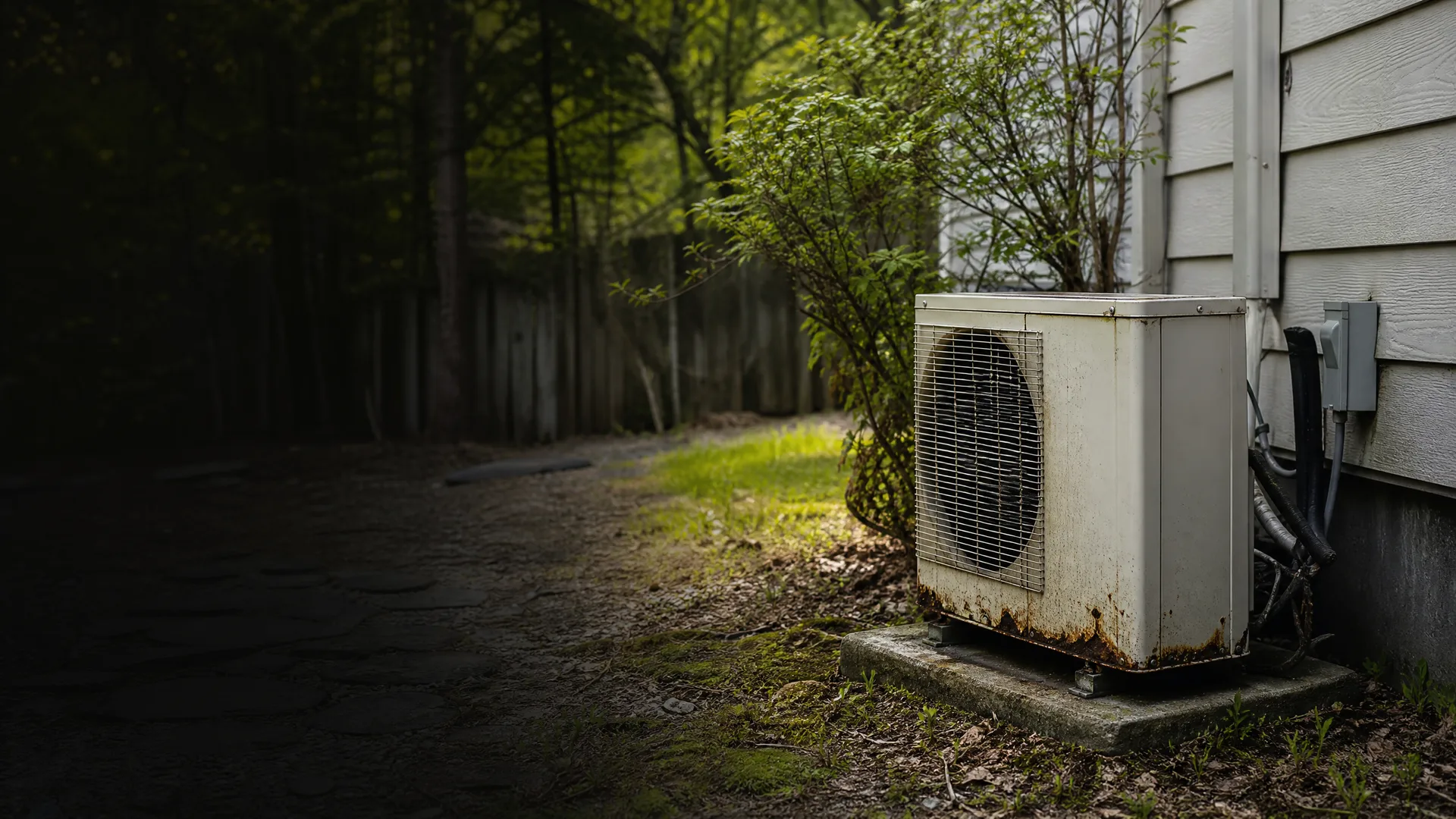
A weathered, rust-streaked outdoor heat pump unit on a concrete pad beside a house with horizontal siding, with shrubs, moss and a dim wooded yard and fence to the left.

You're out checking the yard in late March, and you stop at the outdoor unit. Rust has worked along the base, past the paint, into the metal. The ground around it is still soft from snowmelt. You crouch down and run a thumb along the edge, and a little flakes off. It's been doing its job all winter, pulling what heat it could out of the cold air, and it's held up fine on the inside. But the cabinet's taking the weather straight on, season after season, and this is what that looks like after enough years of it. You straighten up, make a note to ask someone about it before next winter, and go back to what you were doing.

Heat Pump or Gas Furnace in Utah

Heat Pump

  • It pulls heat from outside air even when it's cold, and only loses real efficiency once temperatures drop well below freezing for long stretches.
  • Utah's cheap power means the electricity it uses to move that heat costs less than burning the same amount of gas would.
  • The same unit cools your house in summer, so you're not paying to maintain and run two separate systems.
  • On the coldest nights of the year, it has to work harder and draws more power to keep up.
  • If yours came with a backup heat strip, that backup is electric and costs more to run than the heat pump itself.

Gas Furnace

  • It burns fuel to make heat directly, so its output doesn't drop off when the temperature outside falls.
  • Most homes in Utah already heat with gas, so the furnace and gas line are likely already in place.
  • Gas is reliable on the coldest stretch of winter, which is where a heat pump alone struggles most.
  • It does nothing for you in summer, so you still need separate air conditioning to cool the house.
  • Gas rates vary through the year, and a furnace burning more fuel on cold nights shows up on that bill.
A gray outdoor condenser unit on a concrete pad beside a light-colored lap-sided house, with a wall-mounted disconnect box and conduit, dark mulch, and a green shrub to the right.

Running clean

A heat pump with clear grilles and a clean coil pulls outside air through without a fight. It can move heat at the rate it's rated for, so the electricity it uses actually buys you the heat you're paying for. That's where the savings over gas show up.

An outdoor air conditioner condenser unit on a concrete pad beside a house with horizontal lap siding, with a gray electrical disconnect box and conduit on the wall and bare dirt and mulch in the foreground.

Running dirty

Dust packed into the grilles makes the unit work harder to move the same air. It draws more power to deliver less heat, and on cold nights that gap costs you the advantage gas never had to fight for. A local contractor who services heat pumps every season can tell you if that's what's driving your bill up.

A man in a dark jacket and khaki pants walks through an open gate in a stone wall toward a woman standing in the open front doorway of a single-story white house with a dark shingled roof and river-rock accents.

What happens at the switchover point

A heat pump works by pulling heat out of outside air and pushing it into your house, and it keeps doing that down into cold weather better than most people think. Below a certain outdoor temperature, usually somewhere in the teens, the unit can't pull enough heat out of the air to keep up, and that's when a backup heat source has to take over. In a lot of Utah homes that backup is electric strip heat, which costs a lot more to run than the heat pump itself. Where that switchover point is set, and whether it's set correctly, makes a real difference in what you pay in January.

That setting isn't something you can see from the thermostat. It's programmed into the system, and it's often left wherever the installer put it years ago, not where it should be for how the unit is actually running now. A contractor who works on heat pumps in this climate all season knows what that switchover point should look like on your specific system and can check whether yours is costing you more than it needs to. Getting matched with someone local who does this work regularly, rather than whoever's available citywide, means the person looking at your system has seen this exact problem before.

A mug and a small round vase sit on a wooden windowsill beside sheer and heavier curtains, with blurred autumn trees seen through the rain-speckled window and a sofa with cushions and a throw in the foreground.
An older man with gray hair, a dark coat and scarf dusted with snow stands in a warmly lit entryway with an open wooden door, a table lamp, framed pictures, and a plant in a vase.
An older man with gray hair and a beard wearing a dark snow-dusted coat stands in a home entryway, with a lamp-lit living room and a wooden staircase behind him.
An older man with gray hair and a beard, wearing a dark snow-dusted coat, stands in a warmly lit home entryway with a hallway, console table with lamp, patterned rug, and living room visible behind him.
A gray-haired bearded man in a dark snow-dusted coat and scarf stands inside a dimly lit home entryway, with a hallway, framed picture, lit table lamp and staircase behind him.

The right pro for this job

One installer gets your project, so there's no bidding war over it.

Asking costs nothing, and the choice to hire stays yours.

A heat pump moves about three units of heat for every one unit of electricity it uses, as long as the outdoor coil is clean and the system has the right charge.

That ratio is why it beats gas on a cheap power rate here. Once ice or dirt builds up on the coil, the pump has to work harder for the same heat, and the savings shrink.

A weathered outdoor condenser unit on a concrete pad beside a house with light horizontal siding, surrounded by bare dirt and a shrub.
Before you get your heat pump installation
A dark gray outdoor condenser unit on a concrete pad beside a house with beige horizontal siding, with a gray electrical disconnect box and conduit on the wall, mulch beds, a hosta plant, a shrub, and mowed lawn in front.
After you get your heat pump installation
A gray outdoor condenser unit on a raised pad beside a house with horizontal lap siding, with refrigerant lines, conduit and an electrical disconnect box on the wall, and shrubs on a mulch bed to the left.

Clean and clear

A heat pump like this pulls outside air through an open coil without a fight. It runs at the efficiency it was built for, so the electricity it draws actually buys you heat. This is the state that makes a heat pump cheaper than gas here.

An outdoor air conditioner condenser unit on a gray composite pad beside a house with horizontal lap siding, with refrigerant lines and a conduit running to a wall-mounted disconnect box, and a shrub at left.

Caked with grime

Dirt built up like this makes the outdoor coil work harder to pull in the same air. The unit draws more power to deliver the same heat, and the savings over gas start to disappear. A local contractor who services this equipment every season can tell you if a cleaning will bring it back.

Power costs 13.02 cents per kilowatt-hour statewide

At 13.02 cents a kilowatt-hour, the electricity your heat pump draws stays cheap even after it runs all day. Since the unit moves heat instead of burning gas for it, that low rate is what tips the bill in your favor most months.

EIA-861 2025 statewide residential average

Where the savings actually stand

  • A clean, properly charged heat pump costs less to run than gas heat for most of the Utah year.
  • Gas keeps its edge only on the coldest nights, when the heat pump has to lean on backup heat.
  • Utah's cheap electricity rate is what makes the heat pump's output per dollar beat burning gas.
  • A dirty coil or low charge can erase that advantage before you notice the bill creeping up.
  • Keeping the outdoor unit clear and serviced is what keeps the savings real year after year.
  • Where the switchover to backup heat happens depends on your specific system and how well it's maintained.

A heat pump in Utah costs less to run than gas heat most of the year. That comes down to two things lining up: the unit moves heat instead of burning fuel for it, and the electricity it draws is cheap here. Together they mean the heat you get per dollar beats what gas delivers, for as long as the outdoor temperature stays in range the heat pump handles well. Gas takes the lead back only when it gets cold enough that the heat pump switches to backup heat, and where that point falls depends on your system and its condition, not just the weather outside. None of this holds on its own. A heat pump with a dirty coil or a charge that's drifted low won't move heat the way it's rated to, and the bill creeps up without anything obvious telling you why. The unit still runs, still makes noise, still blows air, but it's working harder for less heat, and that's the gap that eats into what you'd otherwise save. Keeping the outdoor unit clear and getting it serviced on a normal schedule is what keeps that math working in your favor instead of against you. None of that changes what's true on the coldest nights of the year, when gas has the advantage regardless of how well the heat pump is kept up. The rest of the year belongs to the heat pump, as long as it's running the way it was built to.

A woman wrapped in a thick cream knit blanket sits in an armchair beside a lit table lamp, with an open book in the foreground and a frost-covered window behind her.
A smiling older woman with gray hair in a loose bun wearing a ribbed beige sweater stands in a dimly lit kitchen beside a window showing darkness outside, with a loaf of crusty bread on a wooden board in the foreground.

Matched to your heat pump job

A heat pump that's running clean and holding its charge will cost you less than gas heat most months here, because Utah's power rate is cheap enough to make that efficiency pay off. The ones that lose that edge are usually dragging dirt on the coil or a charge that's drifted low, quietly pulling more power for less heat. A local contractor who works on these year-round can tell you quickly whether yours is still running the way it should, and if not, what it needs. You'd be matched with one contractor, not several.

Get one local pro

Your request goes to one pro, not a list of companies.

No fee to send it, and nothing to sign.














