How long a heat pump lasts in Cedar City, UT

New system or replacementHeat PumpIron County, UT
Step 1 of 2

What ZIP code is the job in?

How long does a heat pump last in Cedar City?

You're wondering how many years you can expect to get out of the heat pump in your Cedar City home, maybe because it's getting older or you're pricing out a new one. Iron County winters put a heat pump to work hard, and that kind of daily strain on the compressor and outdoor coil is bound to affect how long the unit holds up compared to milder climates.

A heat pump in Cedar City lasts about 10 to 15 years

Most heat pumps run 10 to 15 years before they need replacing, and in Cedar City you're more likely to land at the shorter end of that range. Winters here are hard, and a heat pump has to work against the cold for months at a time, running its compressor and defrost cycle far more than a unit in a milder area would. That adds up to more wear year over year. Most homes in Iron County heat with gas, so the heat pump here may be doing double duty for cooling in summer and backup or supplemental heat in winter, which changes how many hours it logs each year. How hard winter pushes it is what decides where in that range yours will fall.

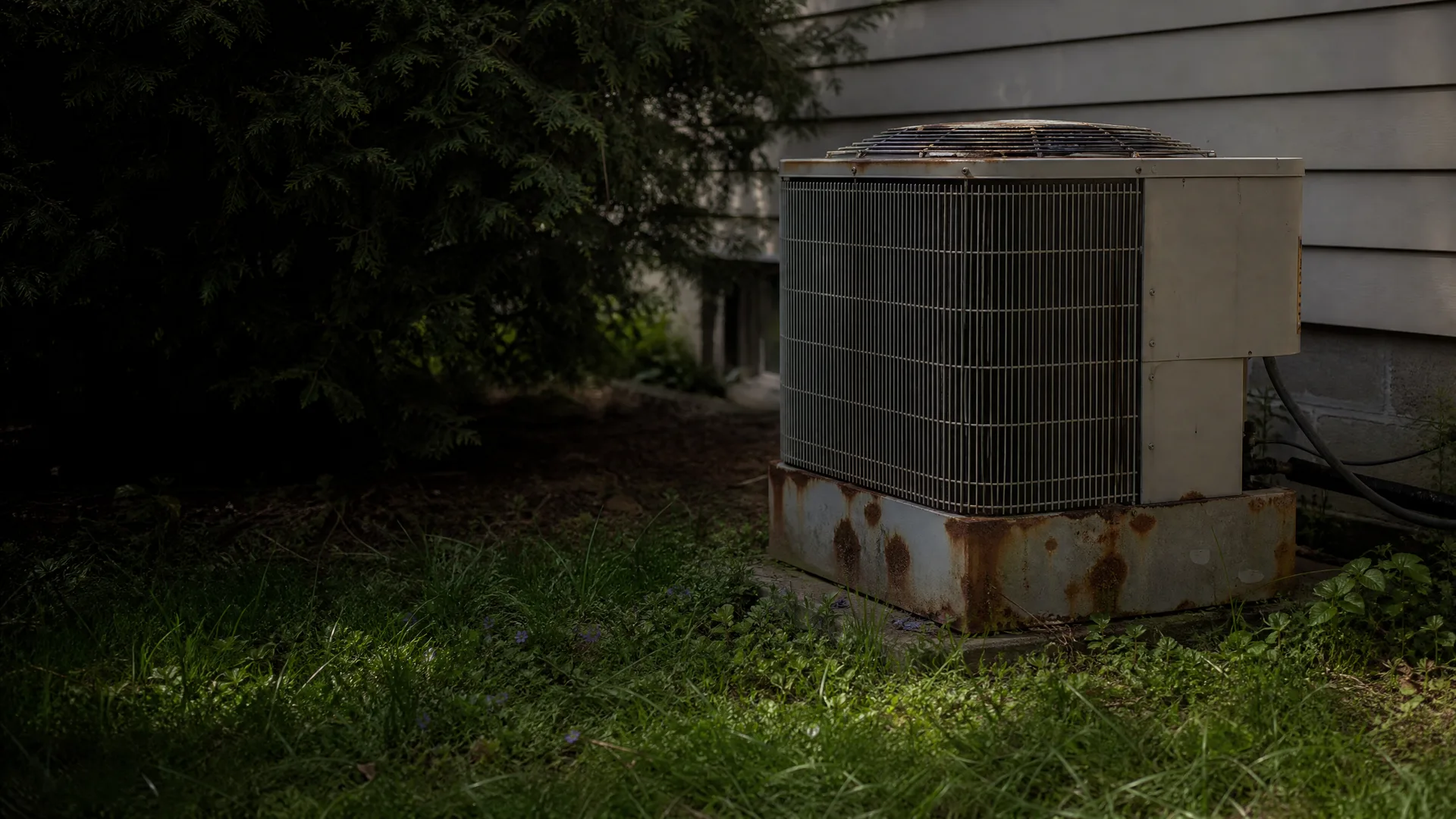
An outdoor air conditioner or heat pump condenser unit sits on a rusted concrete pad beside a house with horizontal siding, surrounded by grass and dark evergreen foliage.

You're out in the side yard in March, coiling up the hose before you turn the water back on, and you catch sight of the unit sitting there against the fence. Rust has worked its way along the base, a line of it right where the cabinet meets the pad. You crouch down to look closer. It still ran fine all winter, never gave you trouble, but the metal doesn't lie about how many Iron County winters it's sat out here taking the weather. You run a thumb along the rust, feel how far it's eaten in, and start doing the math on how old this unit actually is.

What does Cedar City winter weather ask of a heat pump?

  • Winter nights average 20°F

    Nights down to 20°F mean the unit leans on its backup heat strips often, and that extra draw adds wear a mild climate wouldn't.

  • Heat runs October through May

    Eight months of heat is most of the year spent running. A unit here logs far more hours than one in a place with a short winter.

  • Cooling runs July through August

    Only two months of cooling means the compressor spends most of its working life in heating mode, pulling warmth from cold outside air.

NOAA nClimDiv 1991-2020

Running the heat pump hard

Eight months of heat and three of cooling means the compressor in a Cedar City heat pump sees more hours a year than it would somewhere milder. More run hours wear the same parts faster, the contactor, the compressor bearings, the reversing valve that switches it between heat and cool. On nights down near 20°F the backup strips kick in to cover what the heat pump can't pull from the cold air outside, and that's extra current the system wasn't built to lean on every night. A unit worked this hard tends to reach the low end of its range instead of the high end.


Keeping the coil clean

Most of the wear in Iron County comes from outside the cabinet, not inside it. Dry summer air carries dust and grit that settles on the outdoor coil, and a dirty coil makes the compressor work harder to move the same amount of heat. A heat pump with a coil that gets rinsed off and checked each year holds onto its efficiency longer and avoids the strain that pushes a compressor into early failure. The difference between a unit that gets that attention and one that doesn't can be the difference between replacing it on the early end of its life or the late end.

An outdoor air conditioning condenser unit with a top fan grille sits on a concrete pad beside a house with horizontal siding and a concrete step.
Before you get your heat pump installation
A gray outdoor condenser unit on a concrete pad beside a light-green sided house, surrounded by mulch, ornamental grasses and a shrub, with mowed lawn in the foreground.
After you get your heat pump installation

20°F nights

Backup heat strips kick in to cover the gap, and that extra draw on the system adds wear a milder winter night never would.

Find a pro near me

11 months of run time

Eight months of heat and three of cooling leave the compressor working nearly year round, with little downtime to ease the load.

Find a pro near me
An older man with gray hair and a beard stands in a dimly lit entryway wearing a dark hooded coat dusted with snow, with a lit table lamp, framed picture, and front door with glass panels behind him.
An older man with gray hair and a beard, wearing a dark snow-dusted jacket and scarf, stands smiling in a dimly lit entry hall with a lamp, wooden front door and staircase behind him.
A gray-haired bearded man in a dark coat with snow flecks on the shoulders stands just inside a dimly lit home entryway, with a lamp, framed pictures, sofa and candle-style lights in the background.
An older man with gray hair and a beard, wearing a dark coat and scarf dusted with snow, stands in a warmly lit home entryway with an arched doorway, lamps, and a living room visible behind him.
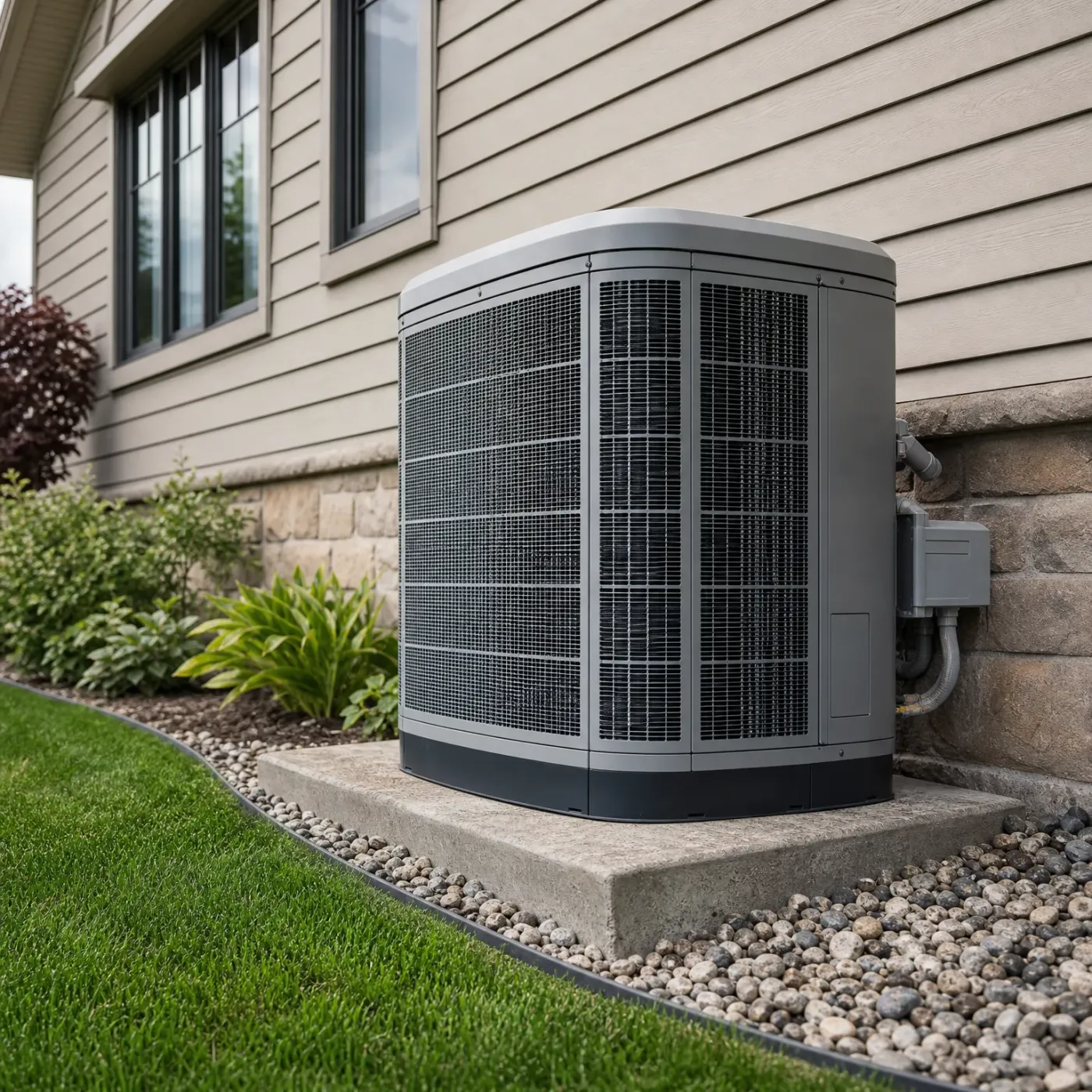
A gray outdoor condenser unit on a concrete pad beside a house with horizontal lap siding and a stone foundation, with a lawn, shrubs and decorative gravel nearby.

A heat pump pro near you

One request ends the search for a heat pump installer.

Your request goes to an Iron County pro who takes heat pump jobs.

Get my match

No fee to send it, and nothing to sign.

Keep It or Replace It

Keep it running

  • A heat pump that's holding its charge and cycling normally can still make it through another Iron County winter without a breakdown.
  • Parts like the contactor or capacitor are cheap to replace and don't mean the compressor itself is failing.
  • If the backup heat strips are doing most of the work on cold nights, the compressor underneath may still have life left.
  • Staying with the current unit means living with whatever efficiency it has, including higher use on the coldest nights.
  • A unit that's needed more than one repair in the past year or two is telling you something about what's coming next.

Replace it

  • A compressor that's failed or is leaking refrigerant usually costs more to fix than the unit is worth at that point.
  • A new heat pump sized for Iron County winters handles the load without leaning as hard on backup heat strips.
  • Rust at the base of the cabinet, like where it meets the pad, points to a frame that's been sitting out through enough winters to weaken.
  • Replacing before a breakdown means you choose the timing instead of doing it without heat on a 20°F night.
  • A new unit comes with a warranty that covers the compressor and parts, which an aging system no longer has.
A gray outdoor heat pump unit on a concrete pad beside a house with horizontal lap siding, connected by conduit and a flexible line to a wall-mounted disconnect box, with low shrubs and mulch nearby.

Working the way it should

A clean outdoor unit like this runs quiet and even, with the fan spinning free and the lines running tight to the disconnect. No rust on the cabinet, no bent fins on the coil. A unit kept this way holds its charge and gets through an Iron County winter without surprises.

An outdoor air conditioner condenser unit on a concrete pad beside a house with horizontal lap siding, with a shrub to the left, bare dirt in front, and conduit and a metal disconnect box on the wall.

Showing its age

A unit like this one, pressed up against the wall with the shrub crowding the coil, has a harder time pulling air through. Blocked airflow makes the compressor work harder to do the same job. Years of that kind of strain are what bring a heat pump to the end of its life sooner.

Is your heat pump showing its age

You might notice it running longer than it used to, cycling on and off more through the night to cover the same chill it handled easily a few winters back. The outdoor fan might sound different, a rattle or a hum that wasn't there before. Ice building up on the coil and staying past the usual defrost cycle is another sign. Indoors, some rooms might run colder than others, or the air coming out might feel cooler than it should. A heat pump that's struggling leans harder on its backup heat strips to keep up, and that shows up on the power bill. Left alone, a unit in this state is more likely to fail outright on one of the harder nights of the year, when you need it most.

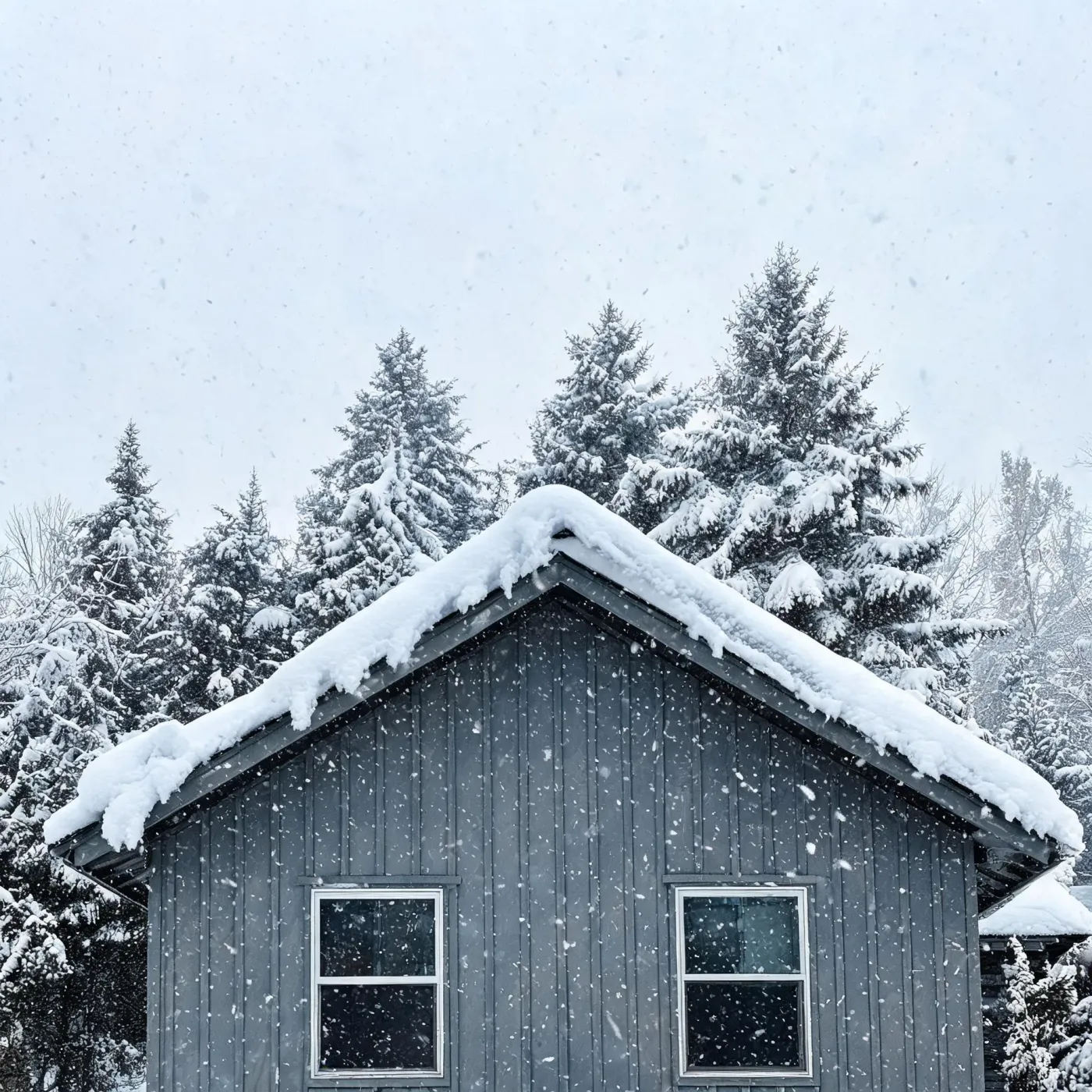
Gable end of a gray vertical board-and-batten building with two white-framed windows, its roof edged with thick snow, backed by snow-covered evergreen trees during falling snow.

Winter nights in Iron County average 20°F from December through February. At that temperature your heat pump can't pull enough heat from the outside air on its own, so the backup strips kick in to make up the difference. You'll see it in the electric bill before you see it anywhere else. Those strips draw a lot more power than the compressor does, and on a run of cold nights they can be on for hours at a stretch. The compressor also starts and stops more often trying to keep up, and that cycling is harder on it than running steady. A heat pump built for a milder climate wears faster here just from the nights alone.

NOAA nClimDiv 1991-2020

A Cedar City heat pump that gets looked after can run twelve to fifteen years, maybe longer, even with eight months of heat and three of cooling asking a lot of the compressor every year. One that's been neglected, or that's already showing rust at the base and a fan that labors, may not have another winter in it. The age on the nameplate and the condition in the side yard don't always agree, and the only way to know which one you've got is to have someone look at it. If you're weighing a repair against starting over, or you just want a straight answer on what's left in the unit you have, sending in your information is the easy part. Once it's sent, you're not the one who has to track down who's available or who does good work out here. That part gets handled, and you can go back to coiling up the hose.

A dark standing-seam metal roof with a stone chimney in the foreground, with a conifer-covered hillside, dry grassland valley and snow-capped peaks under a partly cloudy sky behind.

Get matched with a heat pump pro in Iron County

Request a pro

Sending the form costs nothing.

A heat pump that's already straining doesn't get easier on itself once the nights drop into the 20s. Getting a quote now means you know where you stand before the cold months ask the most of it, instead of guessing and hoping it holds through another Iron County winter.