Running clear
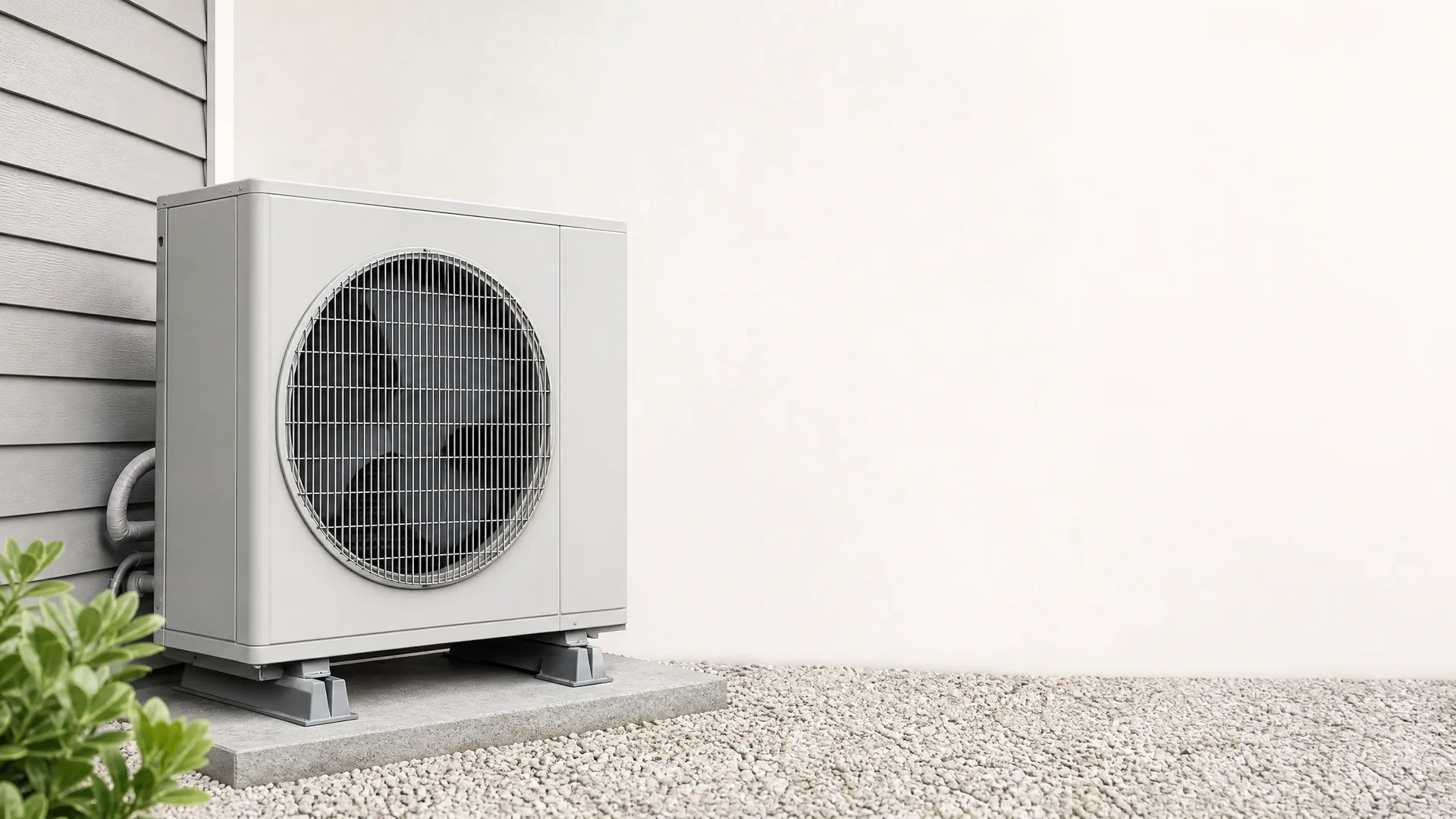
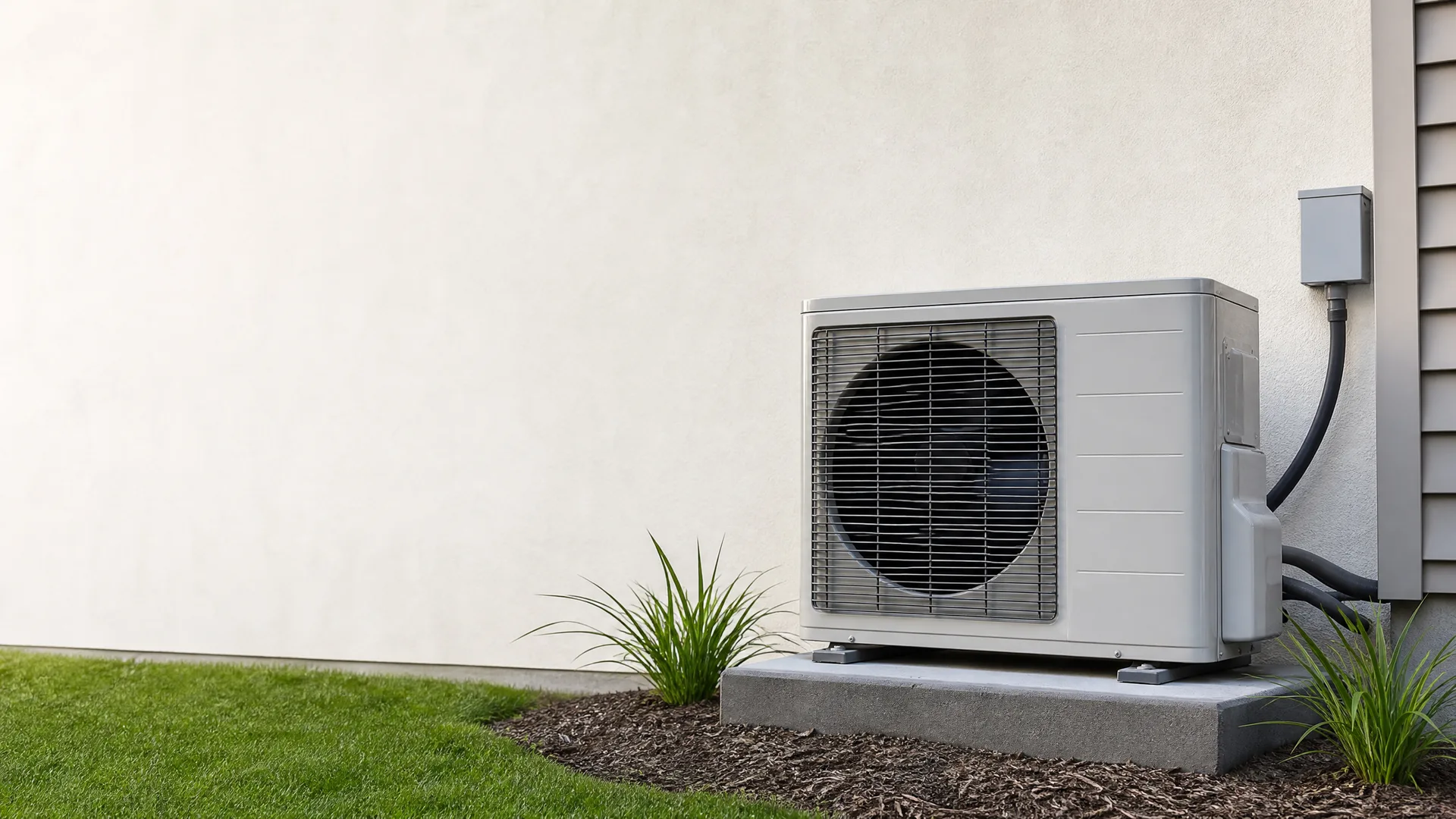
This is what the unit looks like most of the time, even on cold nights. The coil fins are open, the fan spins free, and the lines running up to the disconnect box do their job without any buildup around them.
Winter in Park City means your heat pump works hard, and a layer of frost or solid ice across the outdoor unit can show up fast when the cold sets in. You go out to check on it and the coils are caked, the fan barely moves, and the unit sounds like it's struggling. It's worth knowing when that ice is normal and when it means something is actually wrong with the system.
Every heat pump builds a light layer of frost on the outdoor coil during cold weather and clears it through a normal defrost cycle, where the system briefly reverses and melts it off. At Park City's elevation, with winter temperatures running well below freezing for months, that cycle has more work to do and runs more often. A heavy, solid buildup of ice that doesn't clear on its own usually means the defrost cycle isn't kicking in, a sensor is reading wrong, or the fan has slowed down and isn't pulling enough air across the coil. Low refrigerant can cause the same thing. Left alone, a frozen coil blocks airflow and the system stops moving heat into your house, right when you need it most.
Park City winter nights average 12°F, National Weather Service data for Summit County shows. At that temperature your heat pump is pulling heat from air that has almost none to give, so it leans on its defrost cycle more and more to clear frost from the outdoor coil. Each defrost run uses backup heat to melt that ice, and on a night this cold the unit can cycle into defrost often, sometimes faster than it fully clears before frost builds again. That's when you'll find the coil crusted over instead of just damp, or the fan rimmed with ice rather than spinning free. A defrost cycle that can't keep pace with a 12°F night usually points to a problem with the unit itself, not the cold alone.
NOAA nClimDiv 1991-2020
A thin layer of frost on cold mornings is normal and clears on its own during the defrost cycle. What's not normal is ice building up thick enough to cover the coil fins or seal the fan blade so it can't turn. You might hear the outdoor unit humming without the fan spinning, or notice it running constantly without ever cycling off. Inside, the air coming from your vents turns cool instead of warm, and some rooms stop heating altogether. Left alone through a cold snap, a frozen unit forces the system to work against itself, and the compressor inside takes the strain. That's the part that's expensive to replace, and it's not one you want to test through a hard Park City winter.




Every heat pump reverses its cycle for a few minutes at a time, sending hot refrigerant through the outdoor coil to melt off frost. A sensor or timer tells it when to switch back to heating. The fan stops during this, so if you see the outdoor fan not spinning for a short stretch, that alone isn't a problem. It only becomes one if the unit never comes out of defrost, or goes into it over and over without clearing the coil.
At 12°F the air holds very little moisture, but what's there still frosts the coil fast, and the system has to run defrost more often to keep up. A unit that's low on refrigerant, has a failing defrost sensor, or a fan motor that's slowing down will fall behind on cold nights faster than it would in a milder climate. That's when a thin morning frost turns into the coil icing solid by evening, and the heat pump can't pull enough heat from the air to keep the house warm.
At 12°F, your unit is running defrost cycles often, maybe several an hour on the coldest nights. Each one is a short break, not a shutdown. If frost keeps building faster than those cycles clear it, something in the defrost control or sensor likely needs a look.
NOAA nClimDiv 1991-2020

This is what the unit looks like most of the time, even on cold nights. The coil fins are open, the fan spins free, and the lines running up to the disconnect box do their job without any buildup around them.

Dirt and debris caked across the fins block airflow the same way ice does, and the unit has to work harder to pull any heat from the air. If yours looks like this and frost keeps coming back, a contractor who services heat pumps around Summit County can tell you whether it's buildup, a bad sensor, or something else in the defrost control.


A frozen heat pump at 12°F does not wait for a convenient time, and neither does the ice. Once a defrost sensor or control board is the problem, it is not something to troubleshoot between calls to furnace companies, especially with gas heat as the backup most Park City homes do not have wired in anymore. Finding someone who works on heat pumps specifically in Summit County, rather than furnaces and water heaters only, usually means several calls before you reach someone who says yes. A contractor who services this area every winter has likely seen this exact ice pattern on this exact brand before, and knows whether it is the defrost board, a low charge, or a fan motor that has quit turning. Sending your request here puts it in front of one local contractor who takes it from there, so you are not explaining the same frozen coil to five different voicemails while the ice keeps building.
The defrost cycle isn't one switch flipping. It's a handoff between a few parts, and when one of them fails, the others don't know to compensate. The reversing valve is what actually changes the refrigerant's direction, sending hot gas out to the coil instead of into the house. But the valve doesn't decide when to move on its own. A sensor mounted near the outdoor coil reads its temperature, and that reading goes to a control board that weighs both time and temperature before it calls for defrost. That's why defrost doesn't run on a fixed timer the way some people assume. Cold snaps mean more frost, which means the board calls for defrost more often, not on a stricter schedule.
When defrost ends, the same sensor is supposed to tell the reversing valve to switch back. That handoff usually happens within a few minutes. If the sensor is giving the board a false reading, or the reversing valve is stuck from wear or debris, that signal doesn't go through cleanly. The unit can sit in defrost well past when the coil is clear, or skip the cycle entirely while ice keeps building. Either way, it's not something you can see from the thermostat inside. During defrost, the outdoor fan stops, and many systems bring on auxiliary heat strips so the house doesn't lose warm air in the meantime. If those strips are running more than they should, that's often the first sign the defrost cycle isn't ending on time.
Winter nights average 12°F
Nights averaging 12°F mean the outdoor coil runs that cold or colder, which is exactly the range where frost builds fastest.
Heat runs August through June
Running from August through June, your heat pump has eleven months a year to develop a defrost problem, not just a few cold weeks.
Power here costs 13.55 cents per kilowatt-hour
At 13.55 cents per kilowatt-hour, a heat pump stuck trying to melt ice instead of heating is not an expensive mistake to leave alone, so fixing it quickly is about getting heat back, not the power bill.
NOAA nClimDiv 1991-2020 · EIA-861 2025
A heat pump that keeps icing over in Park City winters has a defrost sensor, control board, or reversing valve that isn't doing its job, not a unit that's simply overwhelmed by the cold. That's a fix, not a replacement, in most cases. Someone who services heat pumps in Summit County through winters like this knows which of those parts tends to go first, and can look at your outdoor unit and tell within minutes whether it's a stuck reversing valve, a bad sensor, or something blocking the coil. You'd be working with one contractor, local to the area, licensed to do the work, rather than sorting through a handful of names and explaining the same frost pattern to each one. With gas heat as backup, this isn't an emergency that leaves you cold, but ice that keeps coming back is ice that needs a real look, and the sooner that happens the sooner the unit goes back to running the way it's supposed to.





A licensed pro who works in Summit County gets your request.
You're not committing to anything by asking.