Why one room stays cold in a Utah winter

RepairFurnace or heatingUtah
Step 1 of 2

What ZIP code is the job in?

One room stays cold because it's the farthest point your furnace has to push air to, and the duct run to it is losing heat or losing pressure along the way. Gas furnaces push warm air through a single duct system, and the room at the end of the longest run, or on the north side of the house, or over an uninsulated garage, gets whatever heat survives the trip. If a damper is partly closed, if a duct has a loose joint, or if the room has more exterior wall than the rest of the house, that room loses the race every time the temperature drops outside. It's rarely the furnace itself. The rest of the house heating fine is the tell. Once you know the duct run and the room's exposure are the real variables, you can see why closing vents elsewhere or cranking the thermostat doesn't fix it, and why the fix is almost always at the duct or the room, not at the unit.

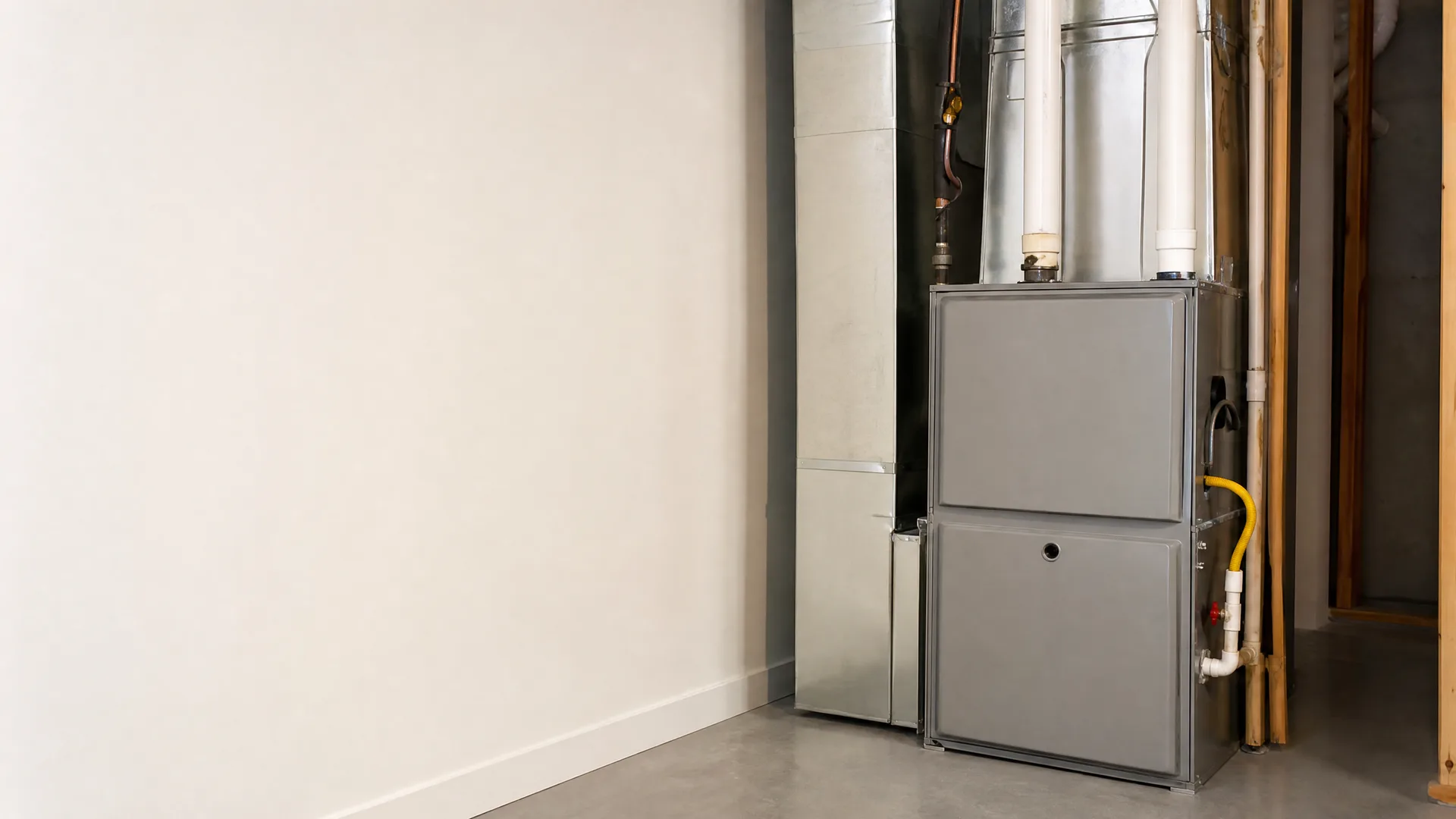
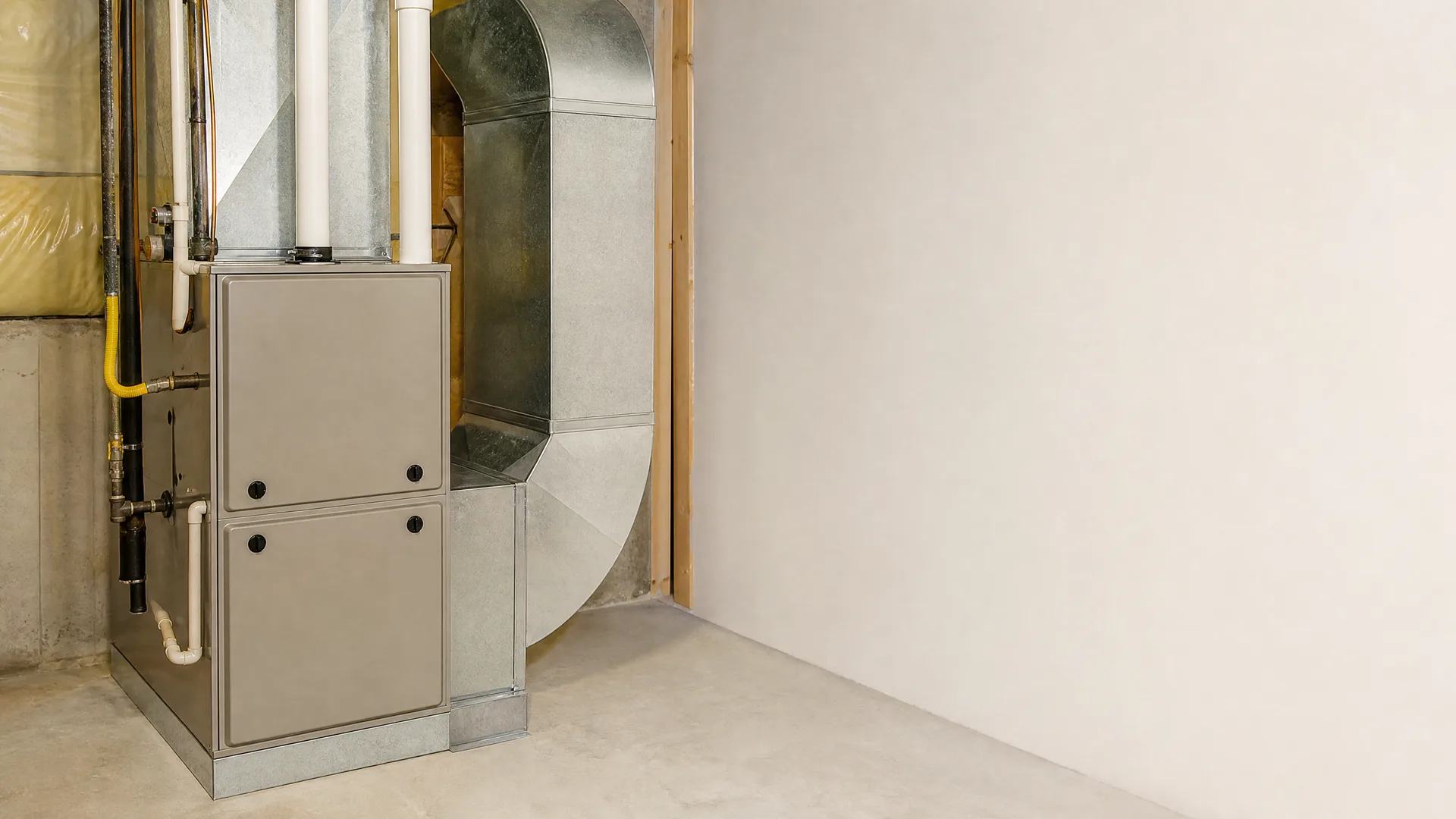
A gas furnace with sheet-metal ductwork, PVC vent pipes and copper and black piping stands against a wall in a basement with a bare light-colored wall and concrete floor.

Where the duct runs matter

A furnace pushes the same air down every branch at the same time. The room closest to the furnace gets first pull. The room at the far end, especially one over a garage or at the end of a long run through an unheated attic, loses heat through the duct walls before the air arrives. By the time it reaches the register, it is several degrees cooler than what left the furnace.

A gray furnace with attached sheet-metal ductwork, white PVC vent pipes, copper and yellow gas lines stands against a wall in a room with a plain white wall and concrete floor.

What a closed damper does

Inside the ductwork, dampers control how much air goes to each branch. If one got bumped shut or was never balanced right when the system was installed, the room past it gets starved of air no matter how hard the furnace runs. A contractor who services furnaces in Utah every winter can check damper position and airflow at each register and find this in minutes.

A woman in a gray sweater and jeans stands in an open wood front door of a white stucco house while a man in a dark jacket walks toward her on the entry path.

What that cold room is costing you

You keep the thermostat up to make that one room livable, and every other room runs warmer than it needs to. The furnace runs longer each cycle trying to satisfy a space it was never going to heat evenly in the first place. On a January night that means more runtime, not more comfort where you need it.

A duct run losing heat or pressure usually has a cause you can name: a crushed flex line, a disconnected joint in the attic, a damper closed somewhere it shouldn't be. Someone who works on furnaces in Utah homes all winter has seen that same cold bedroom or cold room over the garage plenty of times and knows where to look first. Get matched with a local contractor who can trace that duct run and tell you what's actually happening behind the wall, and they'll be the only one calling you about it.

A large weathered ceramic vase and a shallow wooden bowl sit on a rustic wooden table beside a window with linen curtains, with a blurred sofa with cushions and a hanging fabric panel in the background.
A gray high-efficiency furnace in a basement, connected to sheet-metal ductwork on the left and white PVC vent pipes above, with black gas and drain piping and an exposed wood-stud wall with OSB sheathing on the right.

When the system is keeping up

This is what balanced airflow looks like. Clean ductwork sized to the furnace, solid connections, no gaps for warm air to leak out before it reaches the far bedroom. A furnace this sound still runs long cycles in January, but the rooms come out even.

An older gas furnace with two louvered front panels stands on a concrete basement floor beside galvanized sheet-metal ductwork, pipes, and a weathered concrete wall.

When age starts costing you a room

An older furnace like this one loses ground first in the room farthest from it. Panels wear, seals loosen, and a duct run that was already marginal falls further behind. The moisture on these walls tells you the basement works harder than it should too.

A gray sheet-metal furnace with flue pipe and adjacent ductwork stands against a stone basement wall on a concrete floor, with white PVC and metal pipes running nearby.
Before you get your furnace repair
A gray high-efficiency furnace with white PVC vent pipes stands against a concrete basement wall beside sheet-metal ductwork, a small condensate pump on the floor, and exposed wood framing at left.
After you get your furnace repair
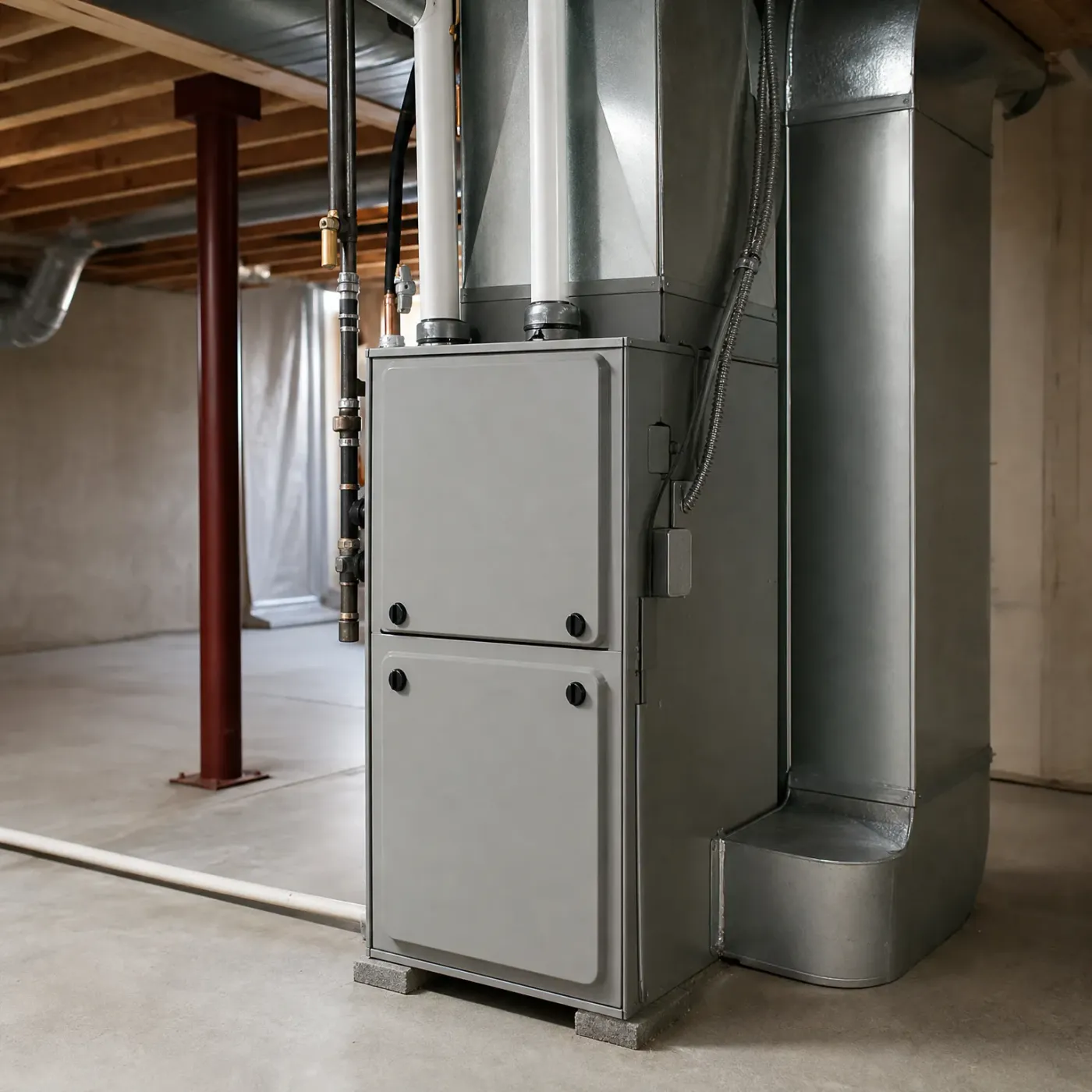
A gray high-efficiency furnace with two access panels stands on blocks in a basement, connected to sheet-metal ductwork, PVC vent pipes, flexible conduit, and gas and water piping, beside a red support column and exposed wood joists.

A furnace pro near you

Only one pro gets your request, so you hear from one company.

Describe your furnace job, and a local pro who handles it gets in touch.

Find a licensed pro

There's no charge for the request.

A woman with long blonde hair in a light blue shirt leans back on a beige sofa with her eyes closed, in a softly lit living room with cushions and a blurred plant and shelf in the background.
A woman with long dark hair in a gray knit sweater sits on a gray sofa with a cushion, looking toward a window in a living room with framed pictures and a lamp in the background.
A woman with long dark hair in a light grey knit sweater sits on a sofa indoors, looking to her right, with a framed landscape picture, a potted plant and a curtained window behind her.
A woman with long dark hair leans back against a gray sofa with her eyes closed, in a living room with a curtained window, a potted plant, and a dark screen in the background.

One cold room might be a closed damper or a blocked return, something a contractor can find in one visit and fix the same day.

If the room has been cold for years, no matter what you set the thermostat to, the duct run itself is undersized or damaged, and that calls for a closer look at the whole system.

Winter nights average 21°F statewide

On a 21°F night, your furnace is running close to flat out just to hold the house. That leaves nothing in reserve for the one room at the end of a long duct run. The rooms near the furnace stay warm. That far bedroom doesn't.

NOAA nClimDiv 1991-2020 county normals weighted by homes

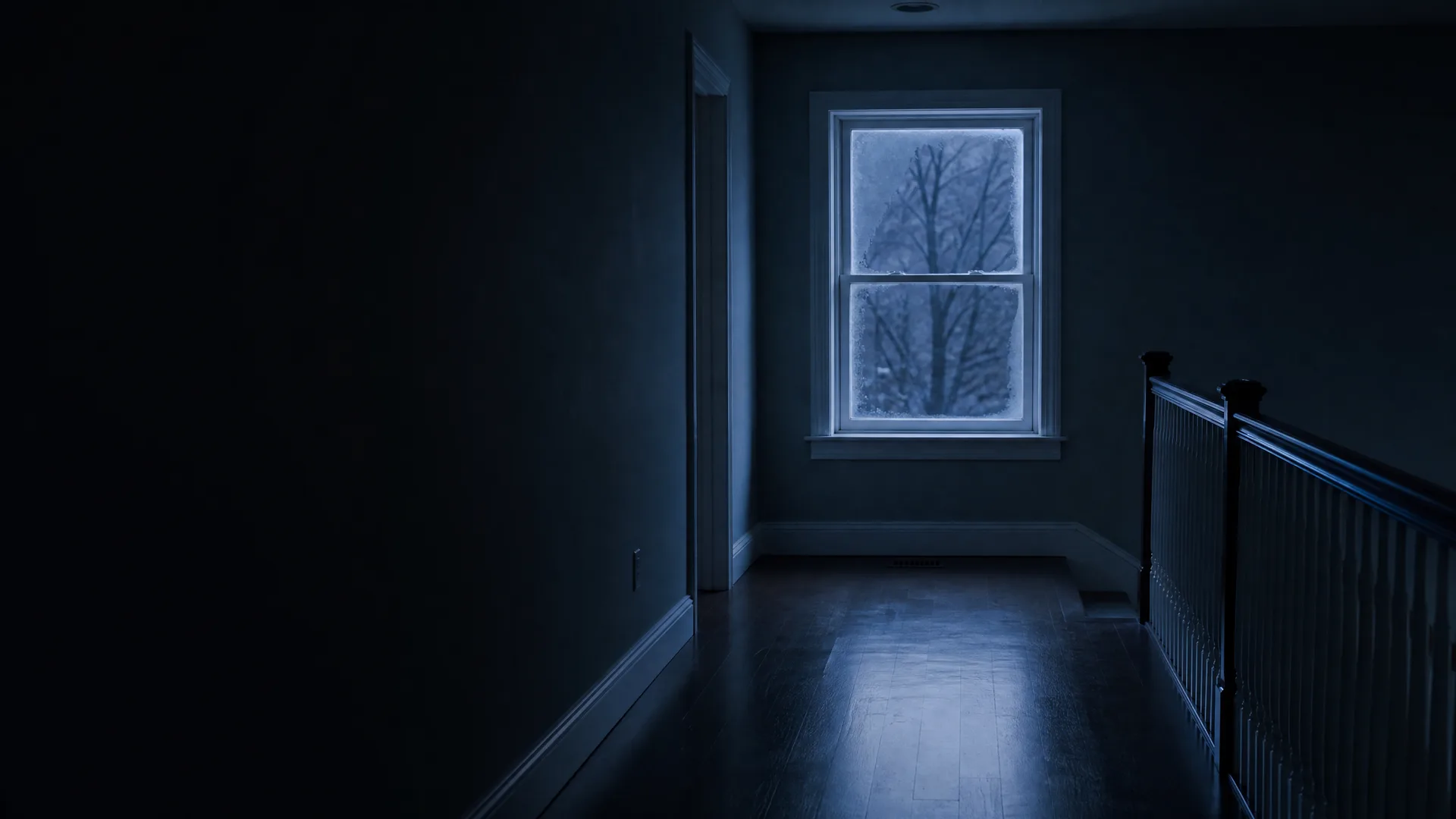
A dark interior hallway with a dark wood floor, a floor vent, a doorway on the left, and a stair railing on the right, lit only by a tall double-hung window showing bare tree branches outside.

It's 2 a.m. and you're awake, standing in the hallway in socks because you heard your kid stirring. The hallway floor vent is right there under your feet, silent, no air moving through it at all. Outside the window the glass has gone white at the edges, frost climbing in from the corners, and the light coming through it is that flat blue that only shows up this late in January. You crack the bedroom door and the air inside is noticeably colder than the hall, cold enough that you pull the blanket up over the small shoulder before you go back to bed. The furnace is running somewhere below you. None of it is reaching this room.
What are you noticing about that one room

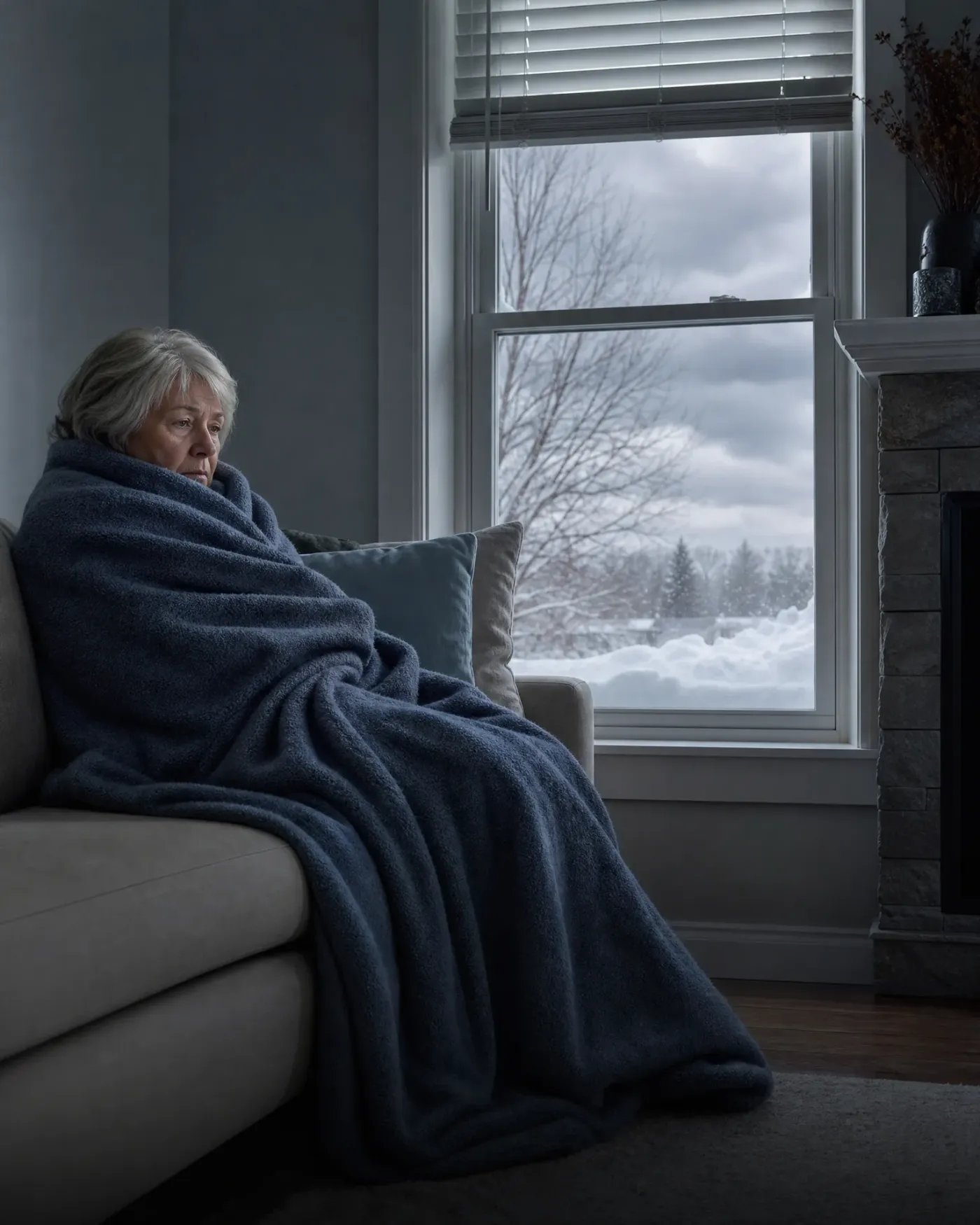
You close the door to keep what little heat it gets from escaping, or you've put a space heater in there so it's livable. The vent might be barely pushing air, or the air coming out feels cool compared to the rest of the house. Socks don't help on that floor. Maybe it's a bedroom over the garage, or the room furthest down the hall, and it's been that way since you moved in. If it's a kid's room or a nursery, you're checking on them more than you should have to, or layering blankets instead of trusting the furnace to do its job. Left alone, a room that cold invites space heaters running unattended overnight, which is its own risk in a house that's otherwise warm.

Snow-covered gable roof and dark wood-clad upper wall of a building, with snow-laden conifers and falling snowflakes against a pale overcast sky.

Statewide, winter nights average 21°F. On a night like that your furnace isn't just topping off heat, it's running close to nonstop to hold the house, and the far bedroom is the first place that shows. Near-zero margin means whatever's slowing air down on the way there, a long duct run, a loose connection, a closed damper, wins. You'll notice it as a room that never quite catches up no matter how long the furnace runs, not just one that feels a little cool at the edges.

Source: NOAA

NOAA nClimDiv 1991-2020 county normals weighted by homes

A smiling older woman with gray shoulder-length hair in a cream cable-knit turtleneck sweater stands behind a wooden board holding a round loaf of bread, in a warmly lit kitchen with a dark window and shelves behind her.
A woman with dark hair in a bun sits on a sofa with a child resting his head on her shoulder, both wrapped in a cream knit blanket, with a lit lamp and bookshelf in the dim background.

The Cold Room Has an Answer

  • A cold room with the rest of the house holding temperature almost always traces back to the duct run feeding it, not the thermostat setting.
  • A closed damper or blocked return gets fixed in one visit; a crushed or undersized duct takes more work to trace.
  • Running the furnace longer to chase that one room adds wear across the whole system, not just comfort in that room.
  • A contractor who works on furnaces around Utah all winter has likely seen the same duct problem in other houses on a long run to a far bedroom.
  • Matching you with one local licensed contractor means one visit, one diagnosis, and someone who already knows what tends to fail on these systems.
  • Whatever is slowing air down on that run is a fixable part of the system, not something you have to work around every winter.

One room runs cold while the rest of the house holds its temperature. That difference points to the duct run feeding that room, not to anything wrong with your thermostat. Sometimes it's a closed damper or a blocked return, and a contractor finds that in one visit. Sometimes the duct itself is crushed, undersized, or losing air before it reaches the room, and that takes more than a glance to trace. Either way, the fix is in the ductwork, not in how high you set the temperature.

Until it's fixed, you're paying for it twice. You run the furnace longer trying to warm a room it was never going to reach evenly, and every other room in the house runs warmer than you need it to while that one stays cold. That's wear on a furnace that's already working close to its limit on a 21°F night, spread across a whole system to compensate for one bad run.

A contractor who works on furnaces around Utah through the winter has likely traced this same problem before, in another house with a bedroom at the end of a long run. You get matched with one licensed local contractor, not a handful of companies calling you back. One visit, one person looking at your ductwork, already familiar with what tends to go wrong on a system like yours. Whatever's slowing air down on that run is a part of the system that can be corrected. It isn't something you have to keep working around every winter.

A living room corner with a beige upholstered sofa, cushion and knit throw, a potted green plant in a woven basket, a framed botanical print on a taupe wall, and a window with foliage outside.
Sunlit room corner with a paned window, sheer cream curtain, a leafy plant in a woven basket on a wood floor, and a textured jute rug.
Sunlit room corner with a white-framed window overlooking green foliage, a wicker basket holding a cream knit blanket on a wood floor, and a woven rug in the foreground.
A woven basket holding folded cream blankets sits in a corner on a wood floor beside a linen curtain and window, with window-frame shadows cast on the beige wall.
Sunlit room corner with a potted variegated plant in a woven basket on a wood floor, a linen curtain beside a multi-pane window showing green trees, a framed artwork at upper left, and a jute rug in the foreground.

A local pro for your furnace repair

Your request stays with one local pro.

Find a local pro

You only hire the pro if you want to.